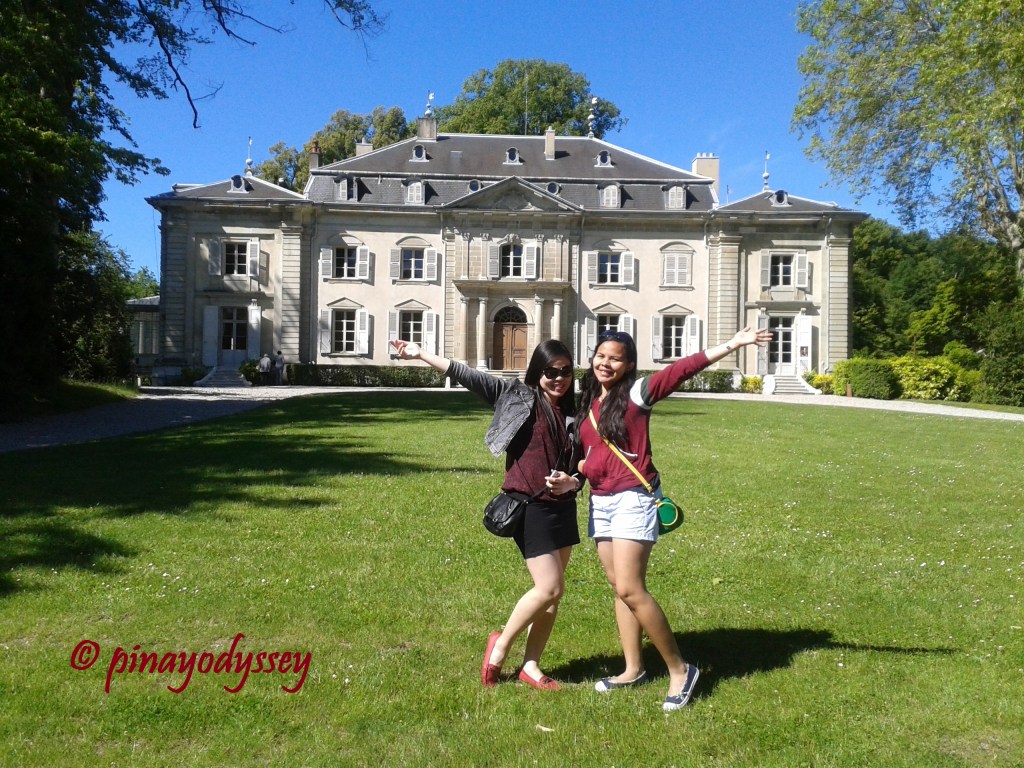
When my sister and a friend traveled to Geneva, Switzerland, we stayed in a hotel on the French side of the Swiss-French border. We even did our shopping on the French side. Geneva was unbelievably expensive, so it was only practical and advisable.
Staying in Ferney-Voltaire, we managed to save a day to explore the French countryside and visit a beautiful château where Voltaire spent his last years.
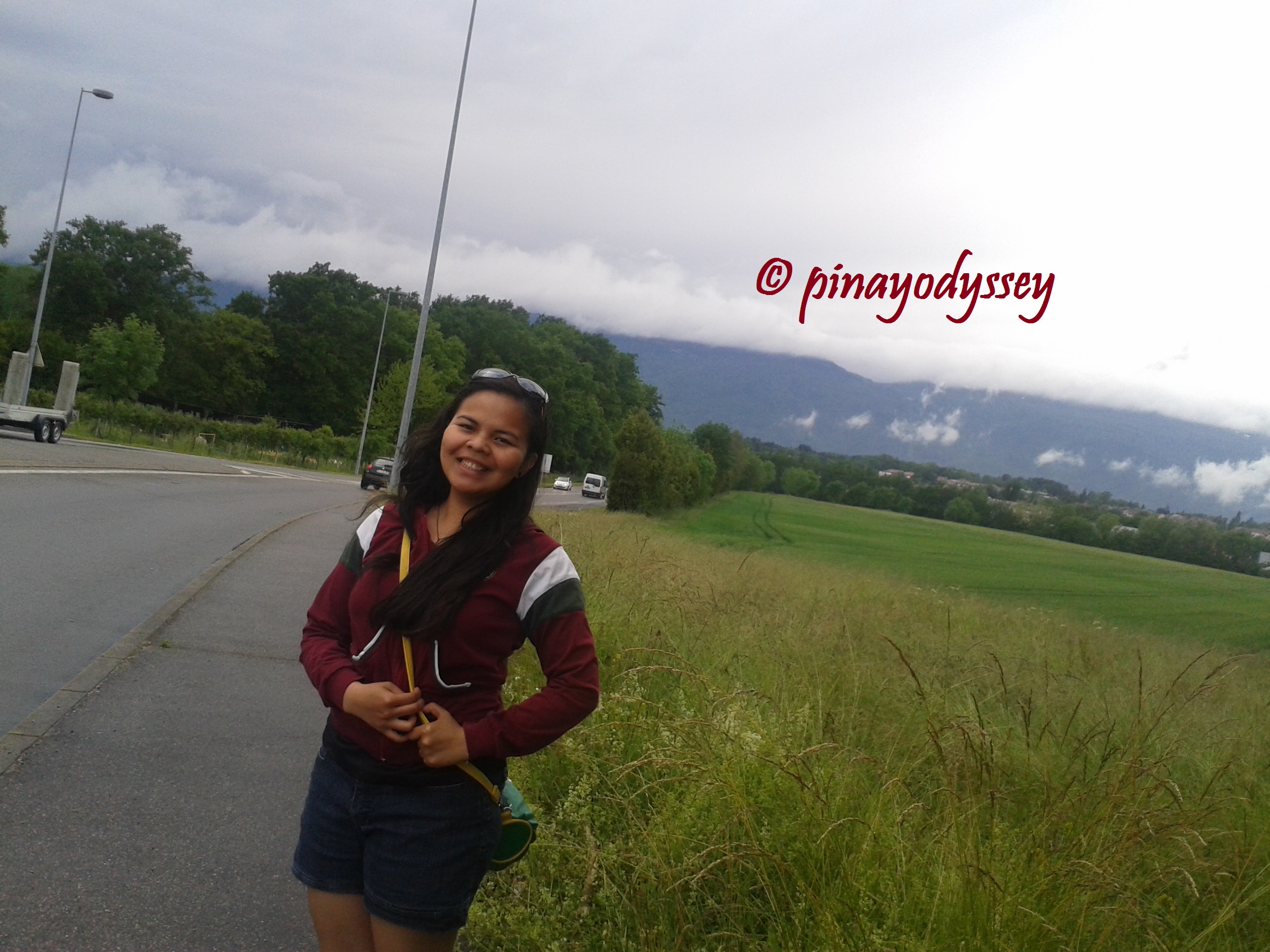
Who’s Voltaire?, you might ask. Voltaire was the pen name of François-Marie Arouet (1694-1778), a French writer, playwright, historian and philosopher. He was known for his attacks towards the Catholic Church during his time, and his thoughts and stand regarding freedom of expression, religion and separation of church and state. He was born in Paris, but spent his last years in Ferney, France. That led him to be referred to as “the patriarch of Ferney”.
On Saturdays, the residents of Ferney hold a bazaar or a public market, where fresh fruit and vegetables, clothes, and other goods are being sold.
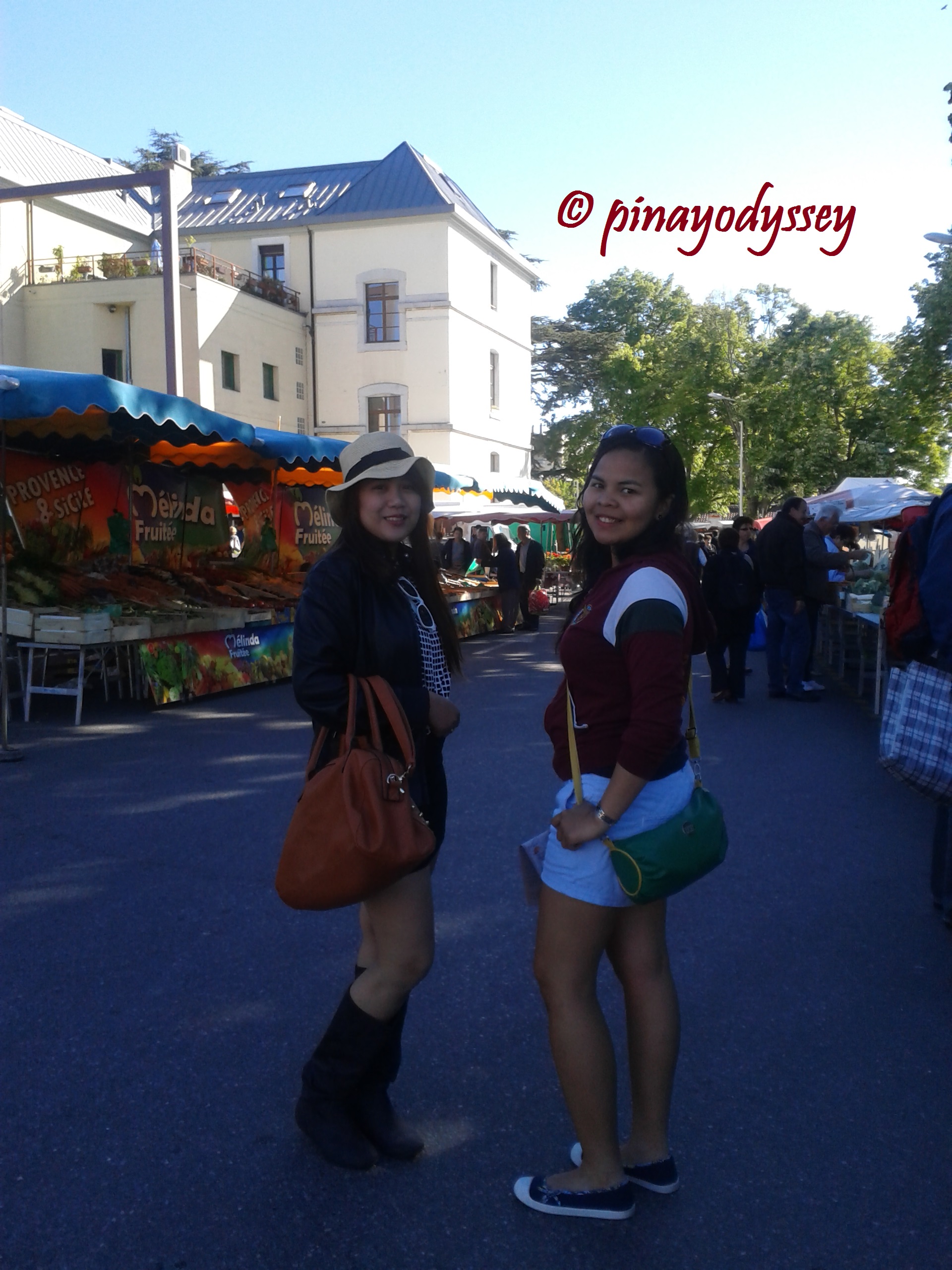

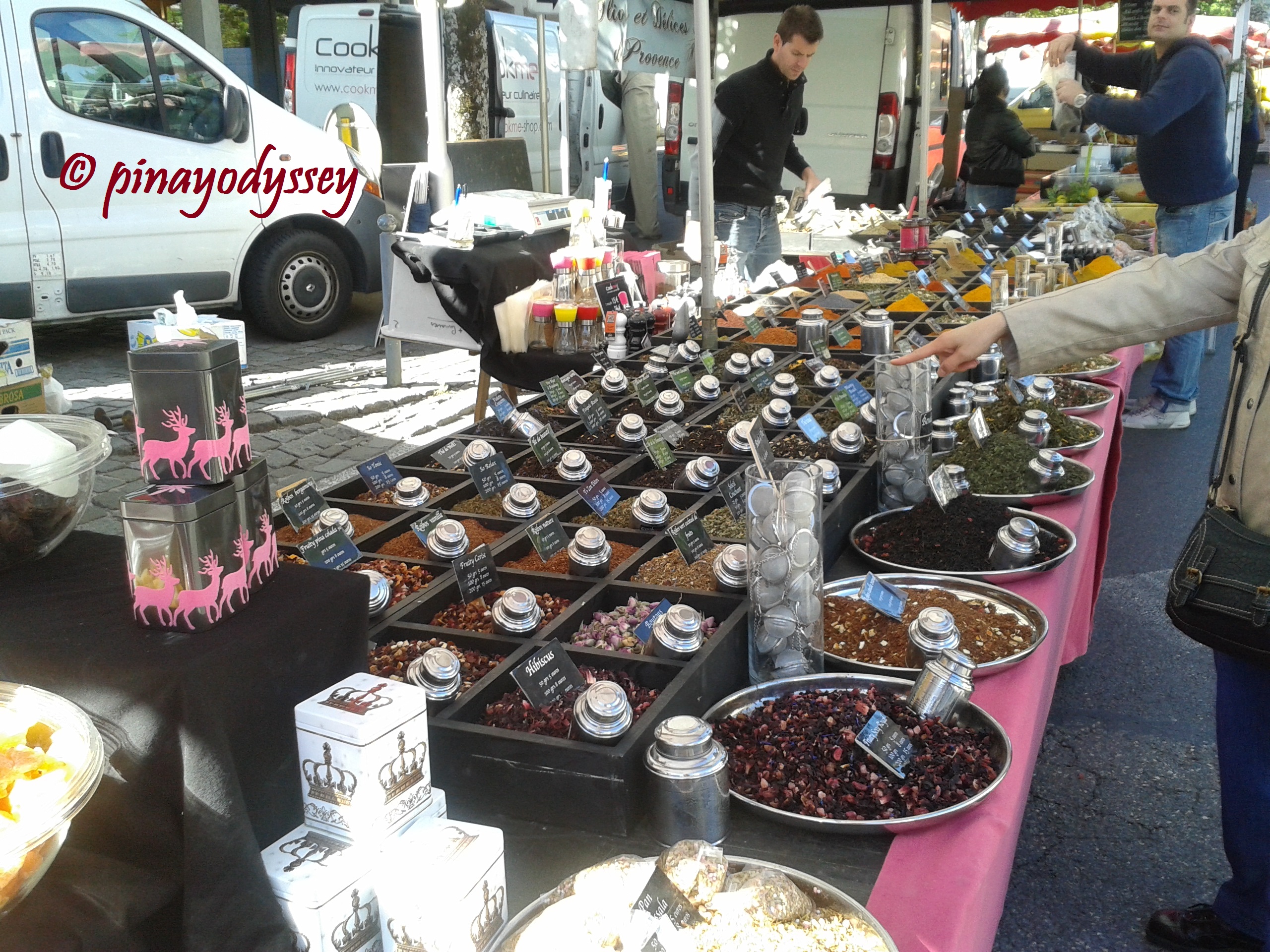


Diversity was present in Ferney-Voltaire. We found a variety of foreign goods and spices being sold at the public market.
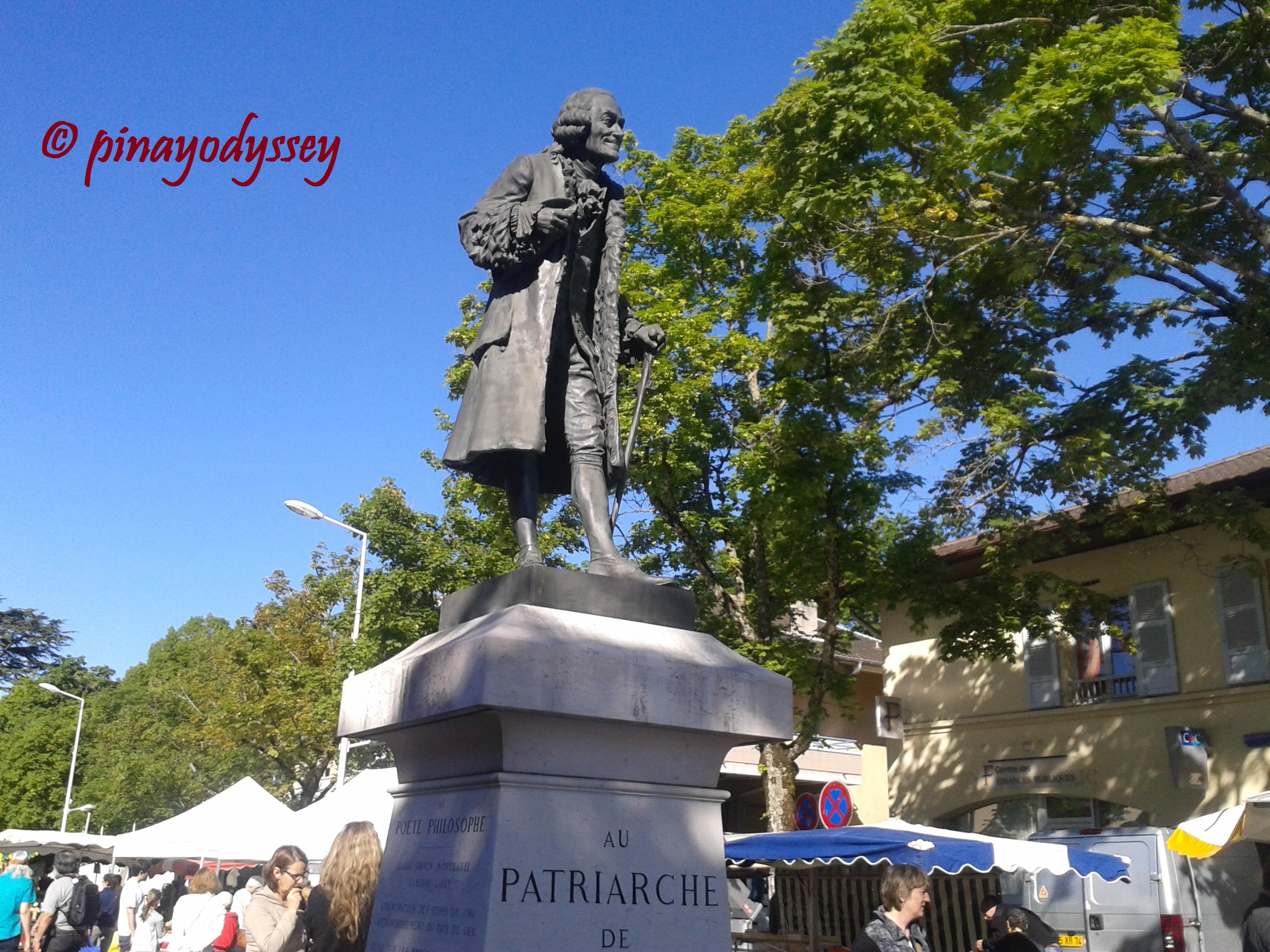
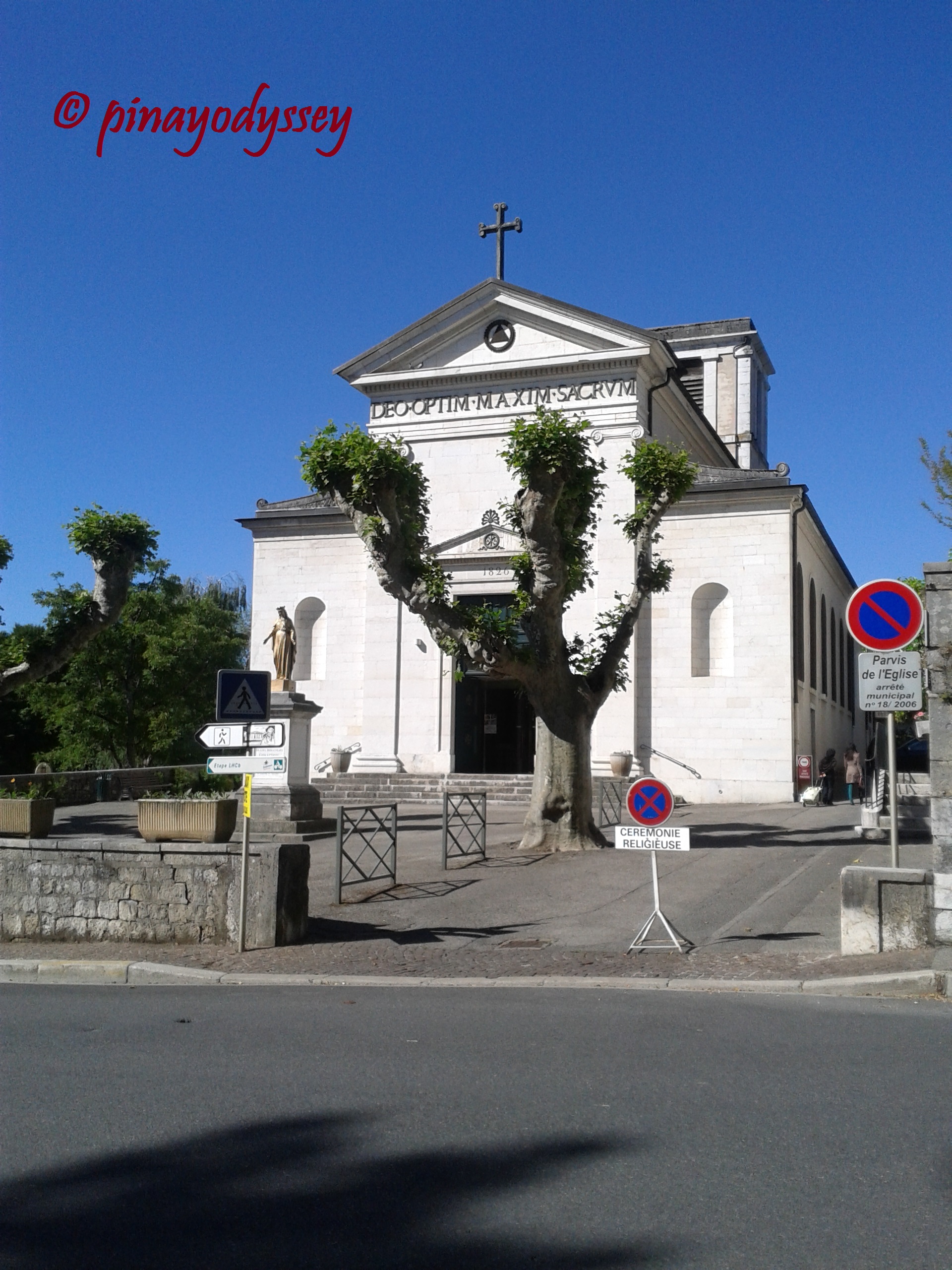
In the middle of the town is a statue of Voltaire. According to Wikipedia, he really made a huge impact to the town, building its church and some cottage industries that harnessed the skills of some of the countries finest potters and watchmakers. No wonder the town was named in honor of him.
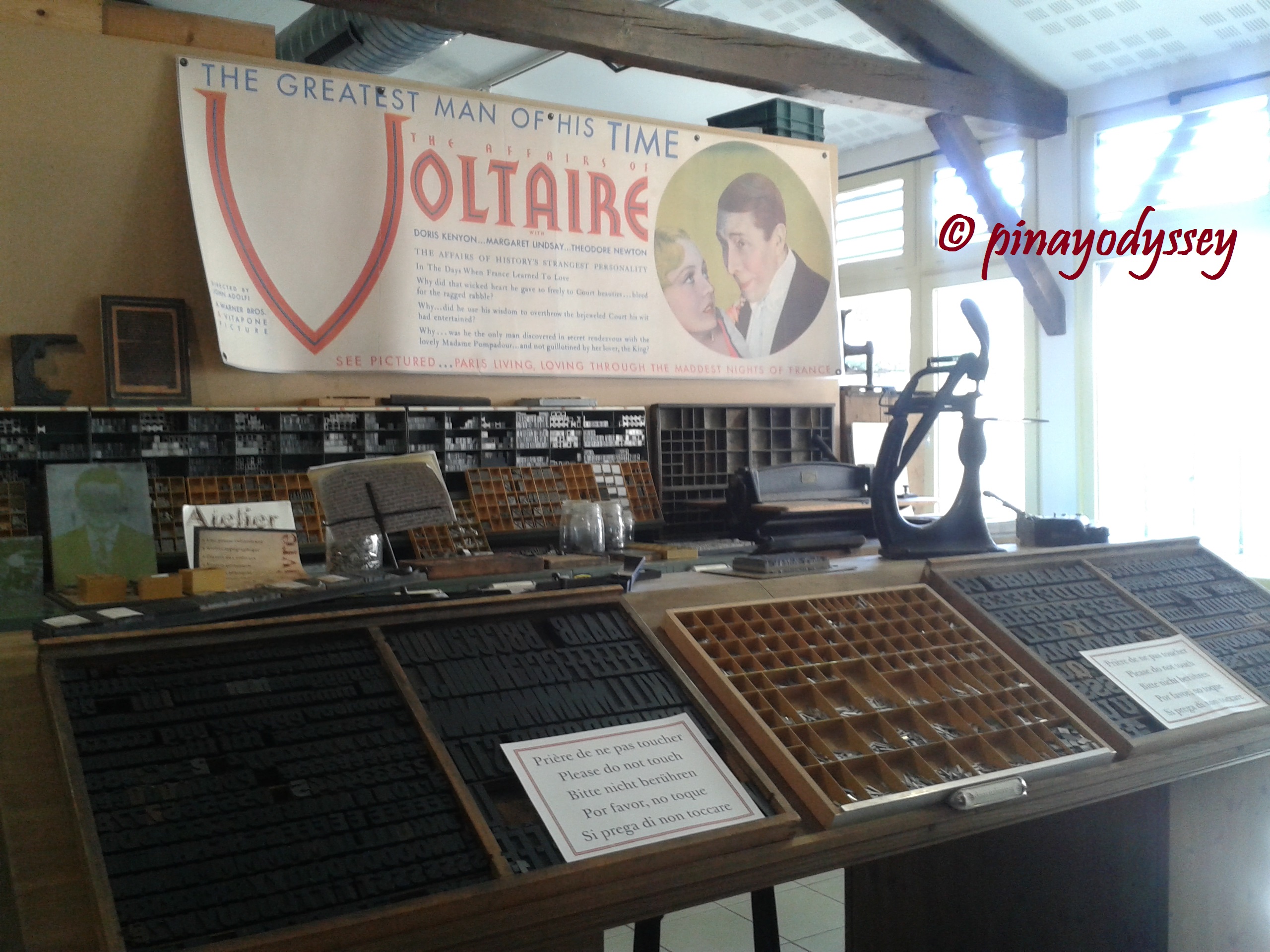
The main attraction in the town is, of course, the Château Voltaire, where he welcomed many philosophers and writers during his time. He was even dubbed “the innkeeper of Europe”. On our way to the château, we came across the International Center for the Study of the XVIIIth century (Centre international d’étude du XVIIIe siècle or CIEDS). Most of the exhibitions in the center are works of Voltaire and the development of the publishing industry.

Voltaire personally supervised the design and the building of his chateau between 1758-1766. He lived there until his death, and welcomed many literary figures during the period of Enlightenment. Today, the château is owned by the state and is open to public at certain months of the year, usually from March to November. It houses Voltaire’s prized possessions and works.


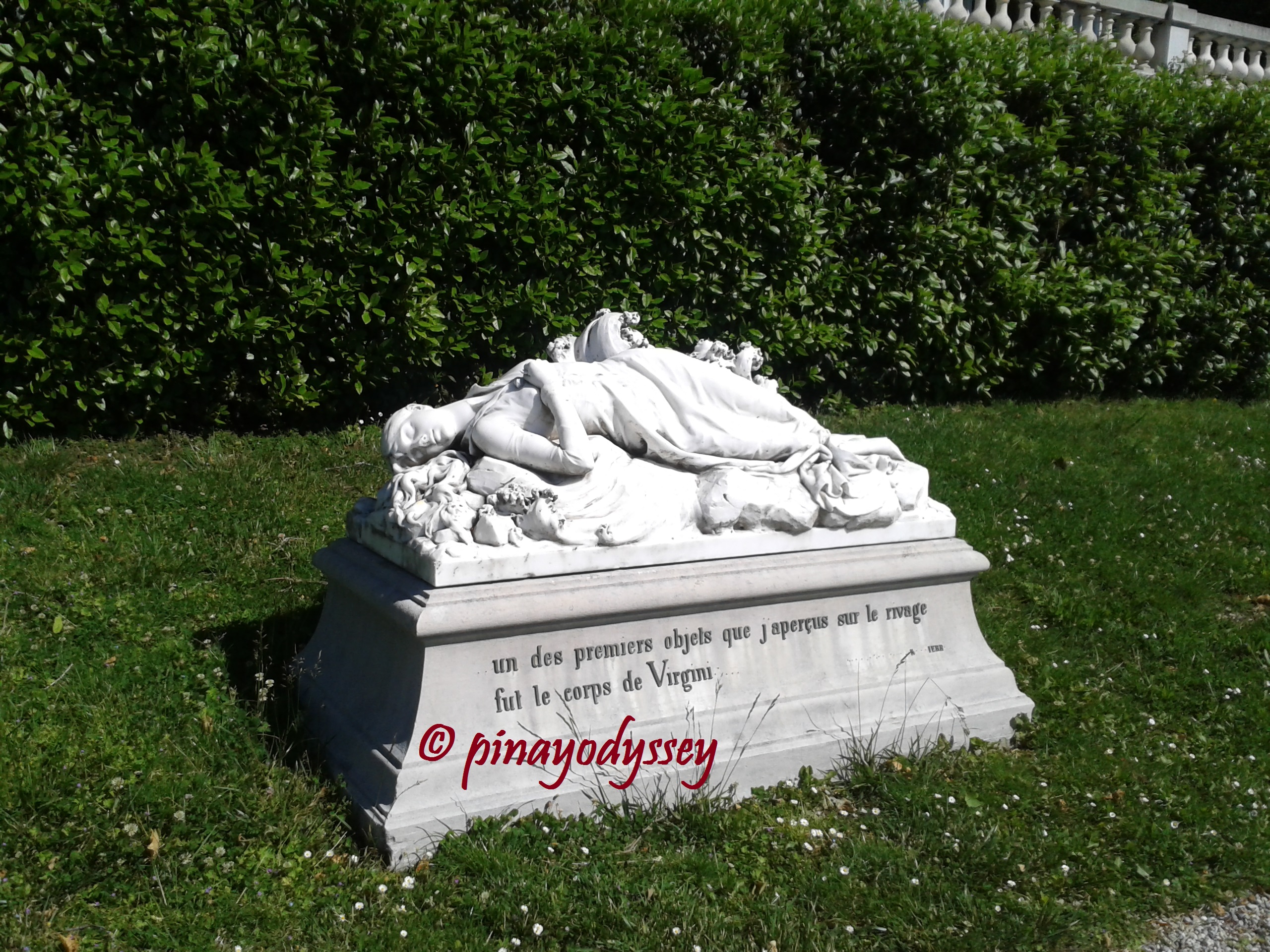
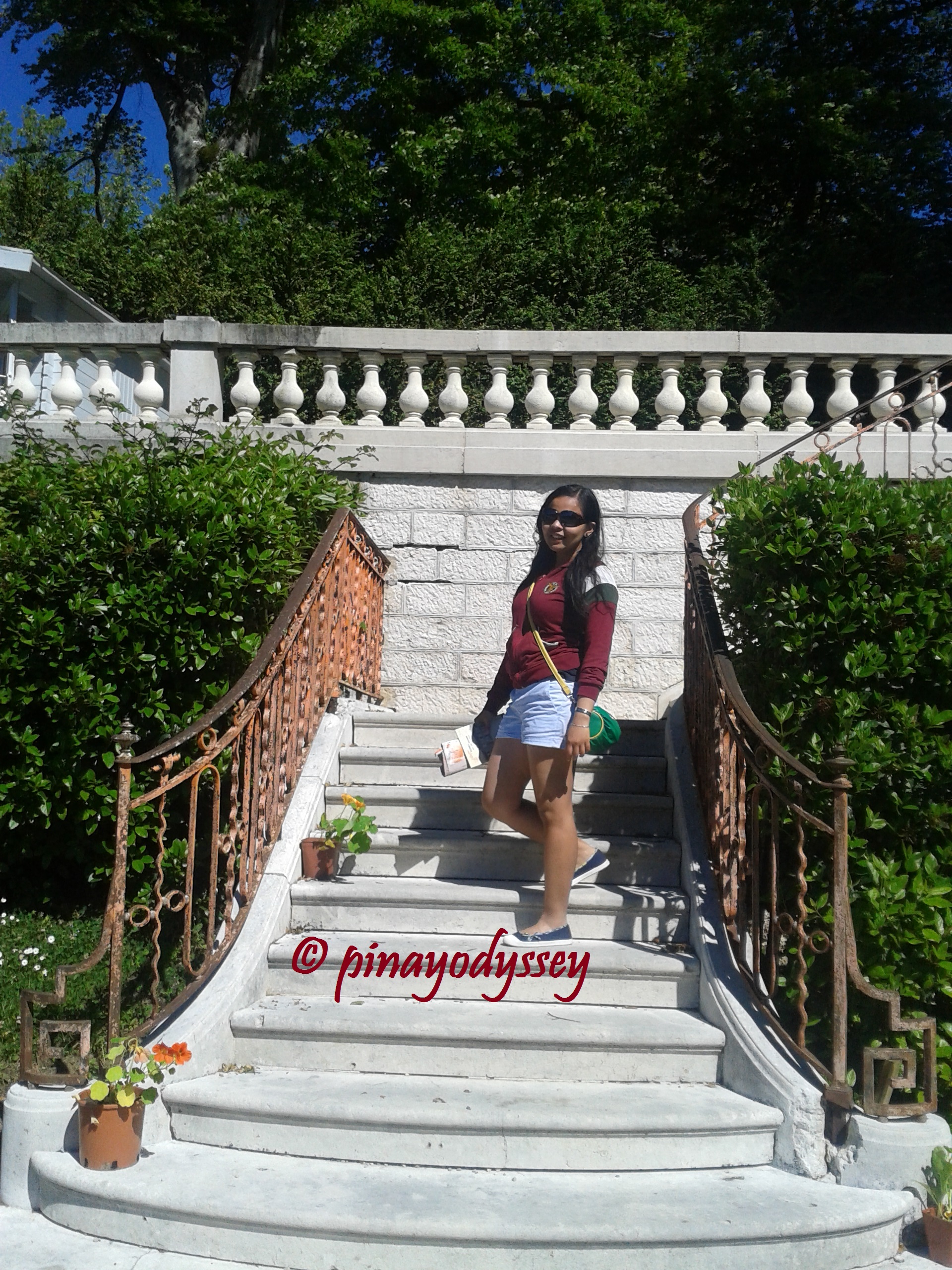
It would had been really nice to enter the château, but we didn’t have enough time and couldn’t wait until guests were allowed to enter. We did enjoy the garden though, and the view of the Alps from the terrace. The château, by the way, was located on top of a hill, so get ready for some elevated roads.
Hopefully, I’ll manage to visit (and explore more of) France again. I don’t really fancy Paris, although it would be romantic to stand by the Eiffel Tower, France’s most famous landmark.
See you in my next entry!



 PinayOdyssey
Leave a comment