
Riga, the capital city of Latvia, is home to remarkable architecture. Its historical center with a high concentration of Art Nouveau architecture was recognized as a UNESCO World Heritage site in 1997. Founded in 1201, the port town served as a major center of the Hanseatic League, an economic confederation of northern European countries.
I visited the city for four lovely summer days in 2014. After checking in at Irina Hotel, I went out for a walk and tried to familiarize myself with the streets and the sights in the city center.
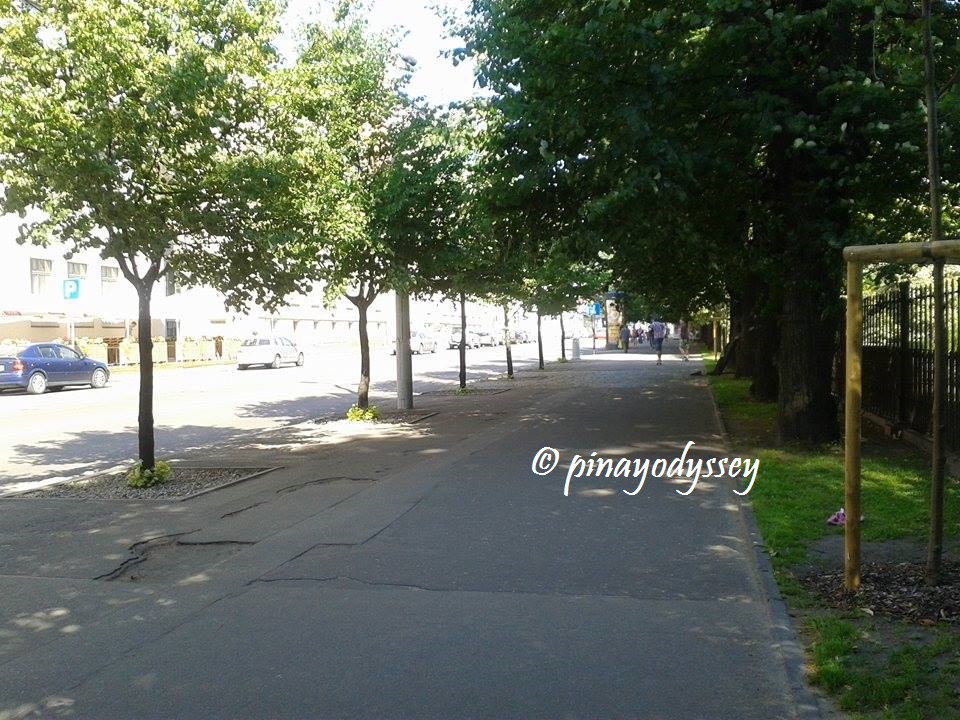
Vermanes Garden is the second oldest park in the city. Lucky for me, the hotel lies just a few steps away from the garden park. Named after the rich widow, Anna Gertrud Vērmane (1750-1827), who donated a lot for the construction of the park, Vermanes serves a social venue for concerts, bazaars, picnics, playground for children, and home to snow-men and colorful lamps in winter.

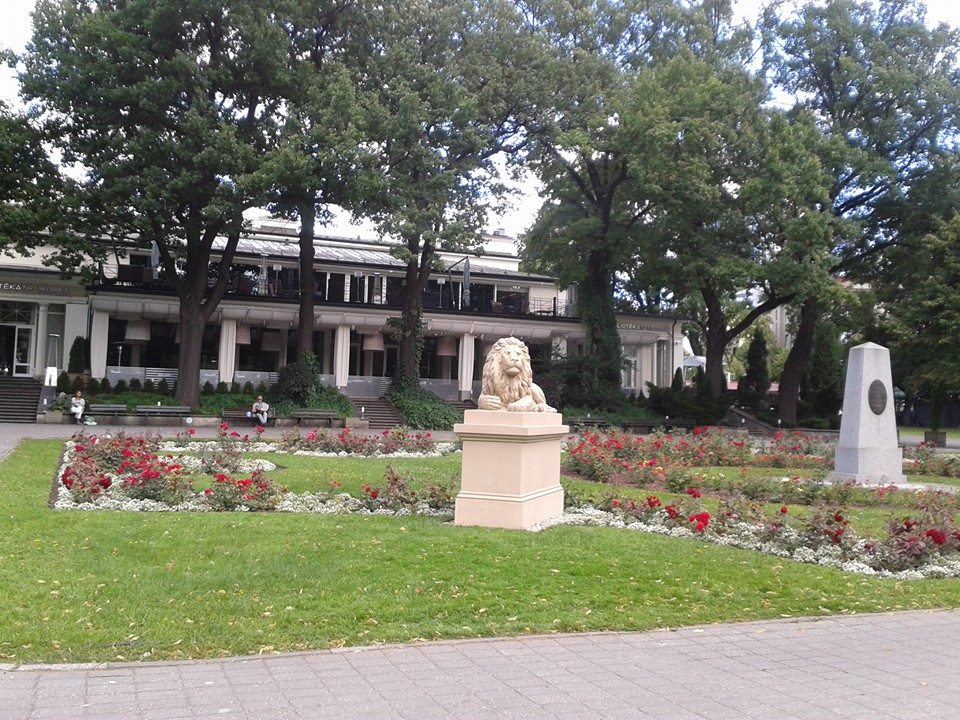
Most of the beautiful architectural features of the city can be found in the Old Town. According to UNESCO, the city had the highest concentration of Art Nouveau architecture in Europe in the early 1900’s, 50 are located in the medieval part and more than 300 are scattered all over the historic town. If you are unfamiliar with the Art Nouveau architectural movement, you can visit this page: Art Nouveau Movement.
Here are some of the admirable architectural features of the city, along with famous landmarks and attractions:
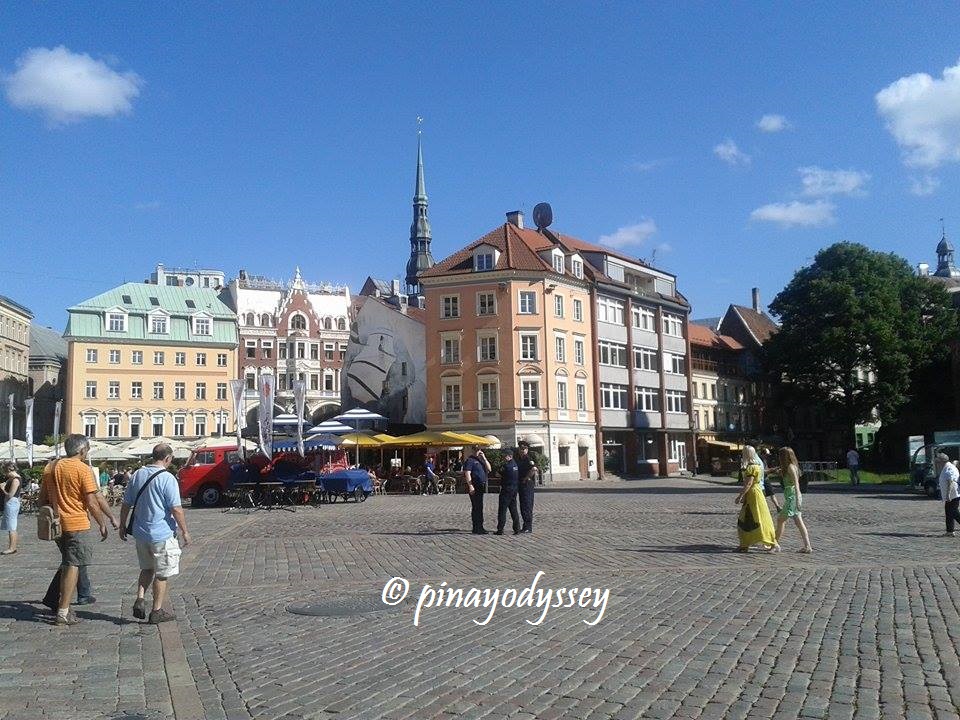

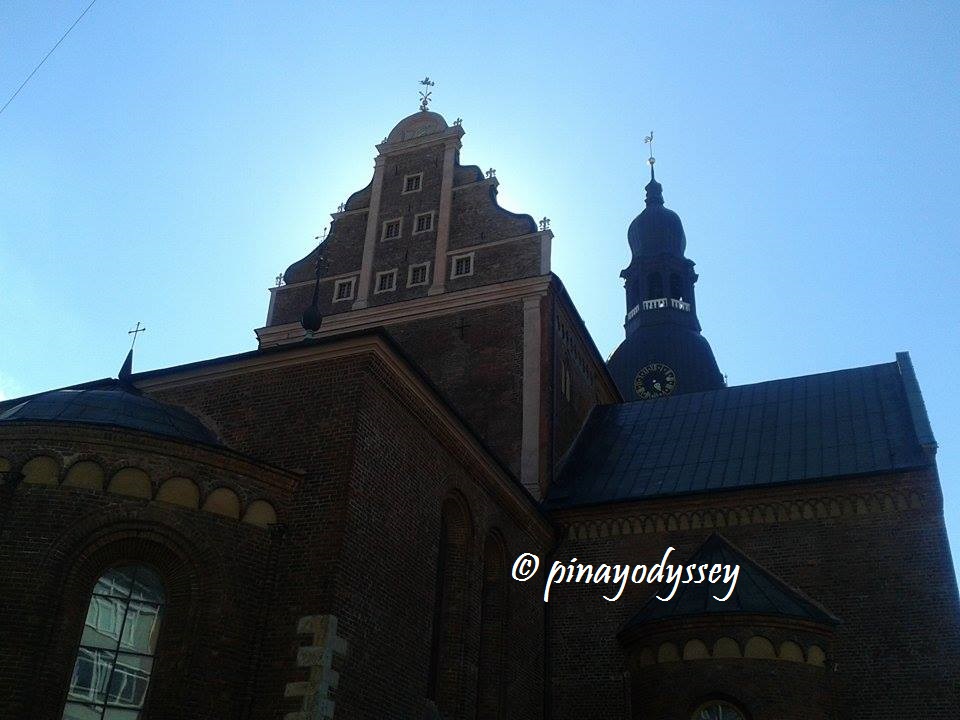

And here we go, Riga’s most popular building: the House of the Blackheads! With all honesty, I was personally awed by the magnificent building, the fairytale facade and intricate and sophisticated designs!

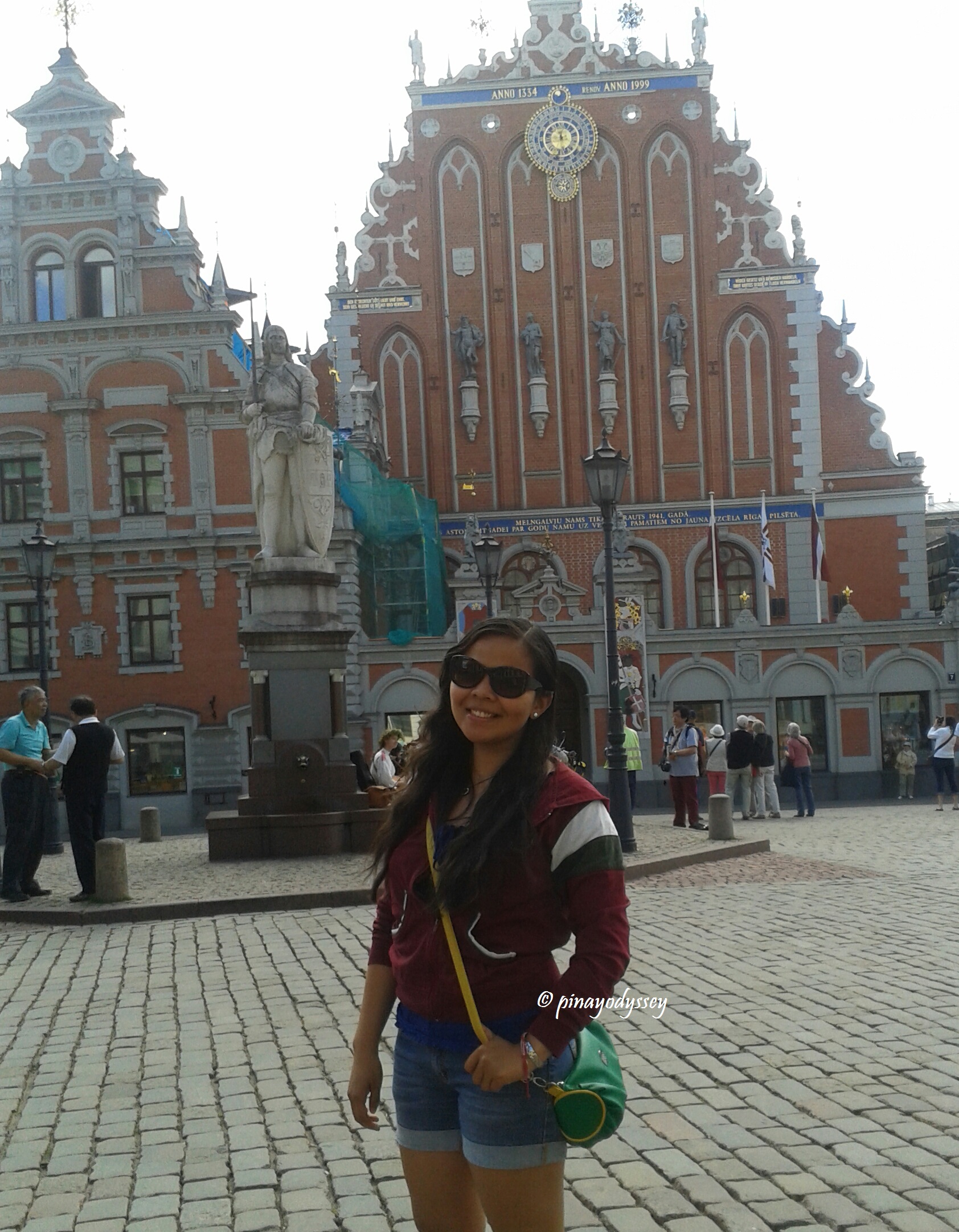
The House of the Blackheads was built in 1334 for the Brotherhood of Blackheads, a guild with mostly unmarried German merchants as members. During the world wars, the building was bombed by the Germans, and the remains were demolished by the Soviets in 1948. However, the Latvians worked together to rebuild the House from 1995 to 1999. So, the pink building visitors admire now is just the reconstruction. Good job, Latvia!
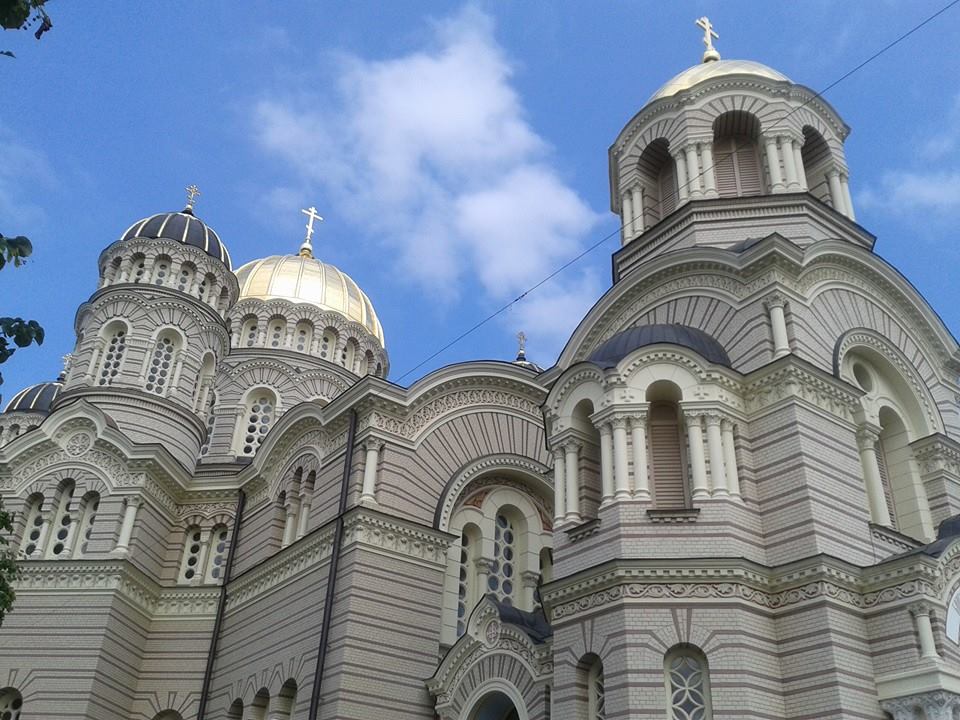
Another interesting building I saw in Riga was the Russian Orthodox Church, aka the Nativity Cathedral. It was my first time to enter an orthodox church and my, did you know that orthodox churches don’t have chairs to sit on during religious ceremonies?

I also get a genuine feel of medieval Europe by walking through the Swedish gate, another popular attraction. The gate was built in 1698, when Riga was the largest province of Sweden. Legends has it that the merchant who commissioned the building of the gate wanted to avoid paying taxes when bringing goods to the city. So, he demolished his house, which was situated on the spot, to build a gate, making the transport of goods to Riga easy and free of charge.

Ah, perhaps I should change the title of this post to “Riga, city of legends”! Latvians has plenty, from the Swedish gate to the Cat House and now, to the Bremen Town Musicians. The monument is based on Grimm’s fairy tale about a donkey, a dog, a cat, and a rooster which were considered old and useless by their owners. The clever animals decided to become musicians, so they went to the German city of Bremen, lived a life of freedom, and saved a house from burglars. The monument is located outside the Church of St. Peter.

Now, let’s go explore the rest of the Old Town. 😉

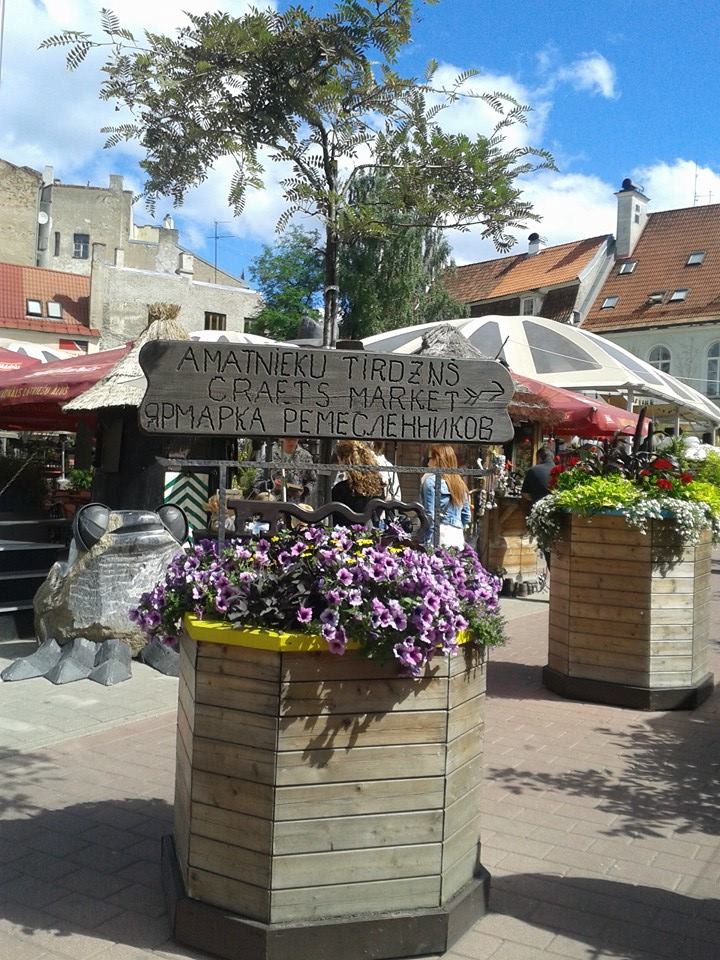


You see, there’s lots to see in Riga, so you’ll never really get bored! I was also very luck to have met Couchsurfers and together, we visited a terrifying and creepy KGB headquarter, enjoyed a cruise along the River Daugava, and attended the Puku Balle (Ball of Flowers), the biggest flower show in the Baltics! More about the said experiences in the next entries! Så spennende! Thanks for reading and cheers! ❤



 PinayOdyssey
Leave a comment