On Day 7, we covered three Balkan countries (Bosnia and Herzegovina, Montenegro, and Albania). It was an amazing roadtrip – as we passed by beautiful mountainous landscapes and refreshing water bodies, and got a taste of the culture and traditions in the places we visited. Driving up to see the Ostrog Monastery, which was carved on a rock and visited by many pilgrims, was very exciting! It was also impressive to witness how liberal/tolerant Shkodër in Albania was. We saw a Catholic Church, a mosque, and an Orthodox church so close to one another. The locals’ way of life seemed very different from what we have in Scandinavia.
Here’s our entire route for the trip, c/o Google Maps:

We had a good night sleep and delicious breakfast at Apis Hotel in Trebinje. The staff that day was different, less aloof, than the one who welcomed us the day before. We left the accommodation with this review: “A good one night stay: We had a good night’s sleep, even if it was a bit hot and it was noisy outside. Little parking space, but good enough. A few minutes drive to the city center. Amazing breakfast.” I loved the home-made breakfast, seriously, and we had choices, like sweet, salty, etc. It was creative.


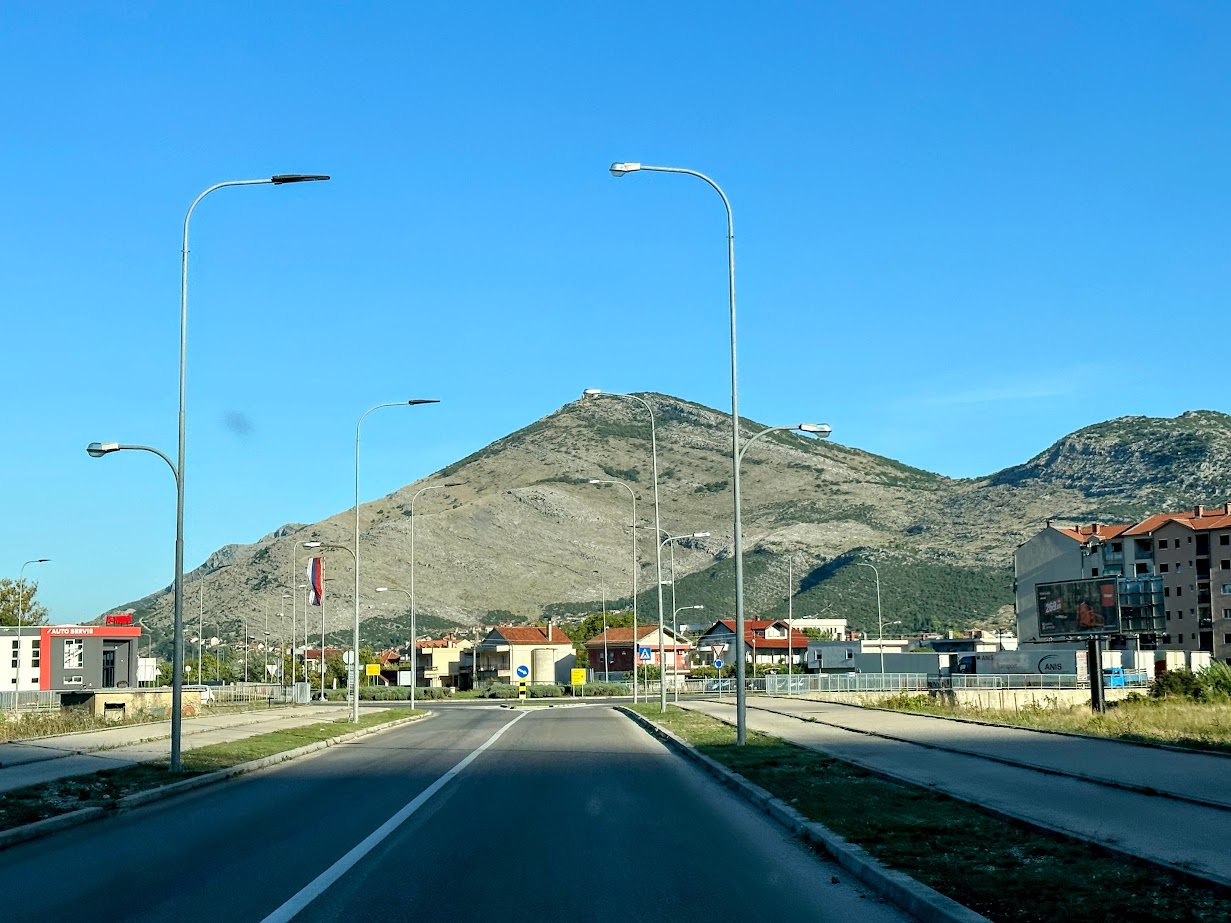
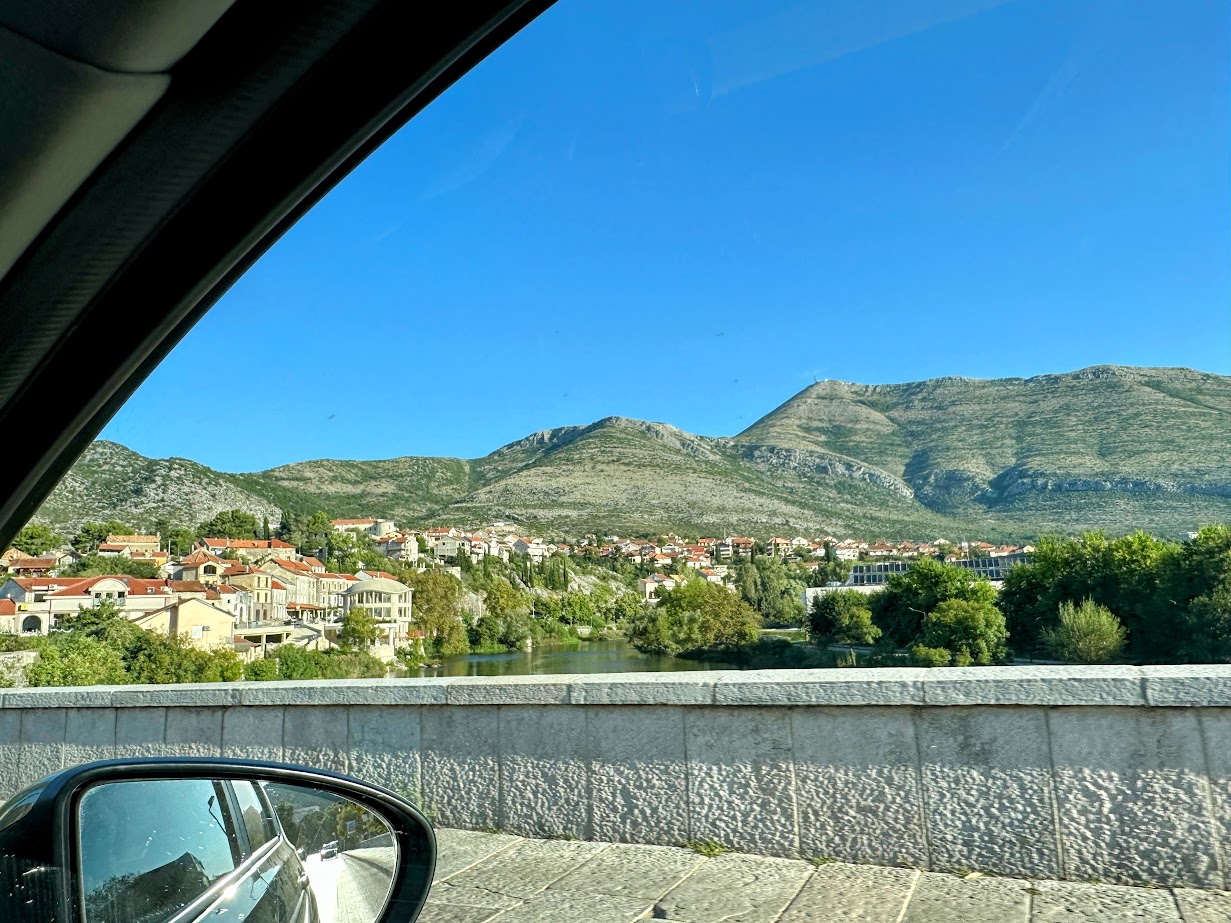
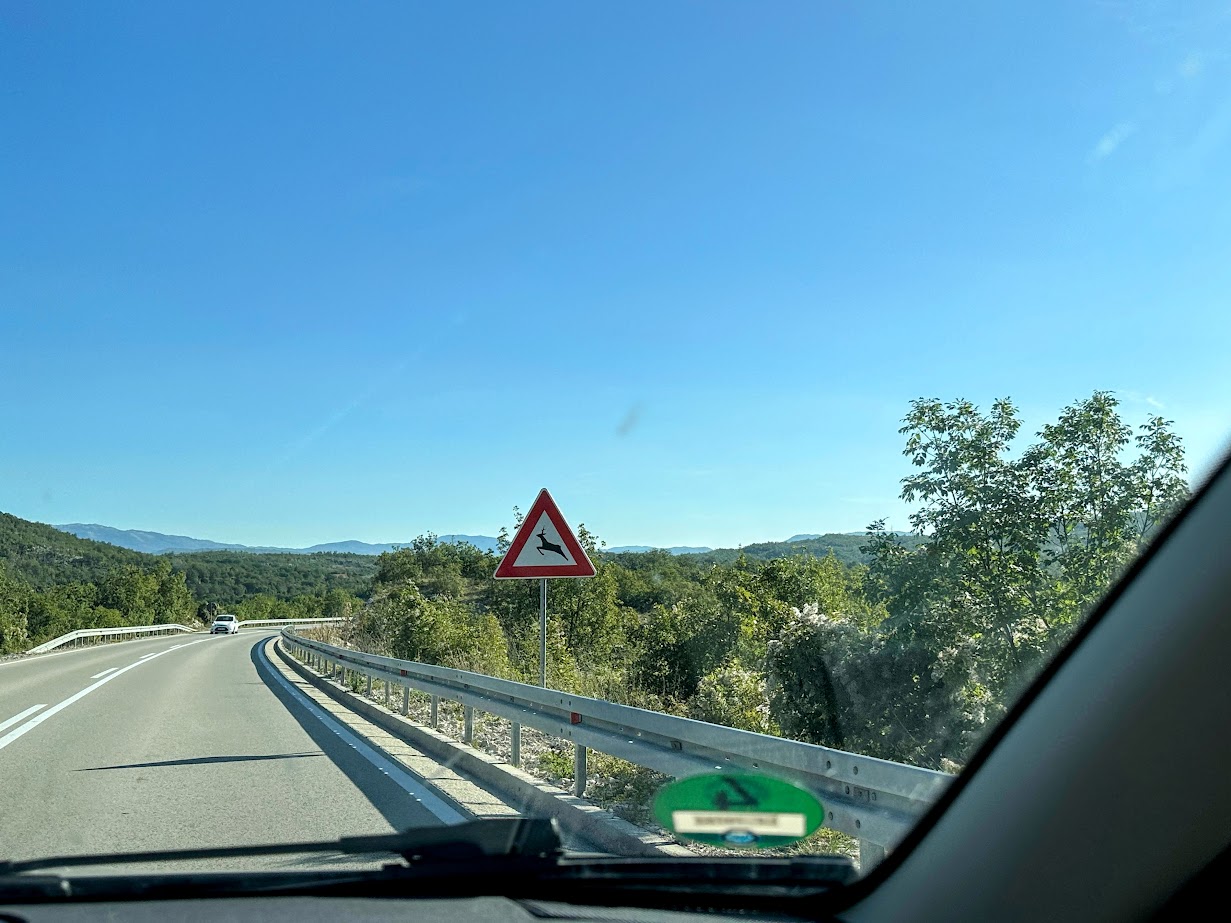
Luckily, we continued to be blessed with a clear and sunny weather. We left Trebinje at 7:30 am, hoping to escape the traffic (if there was any) at the border. I remember being worried because the border between Bosnia and Montenegro was up in the mountains – and there were photos of sole travelers online posing on a cliff. I told Carl that I didn’t want to stop by there – but him, being the curious and adventurous as he is, parked the car by the cliff and we took photos with the portruding rocks and vast mountains in the background. But before that, here’s the drive exiting Bosnia and Herzegovina:
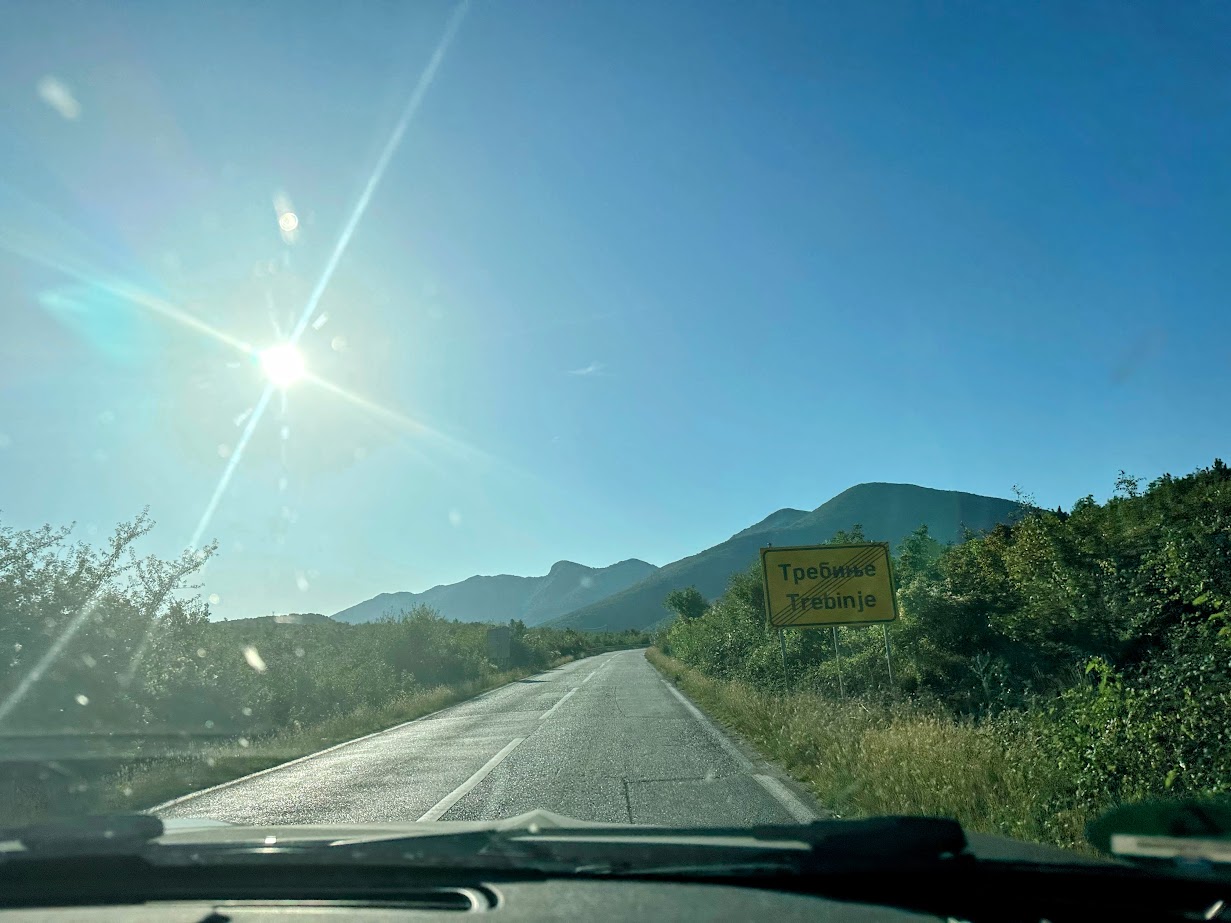


And here’s the view near the border:


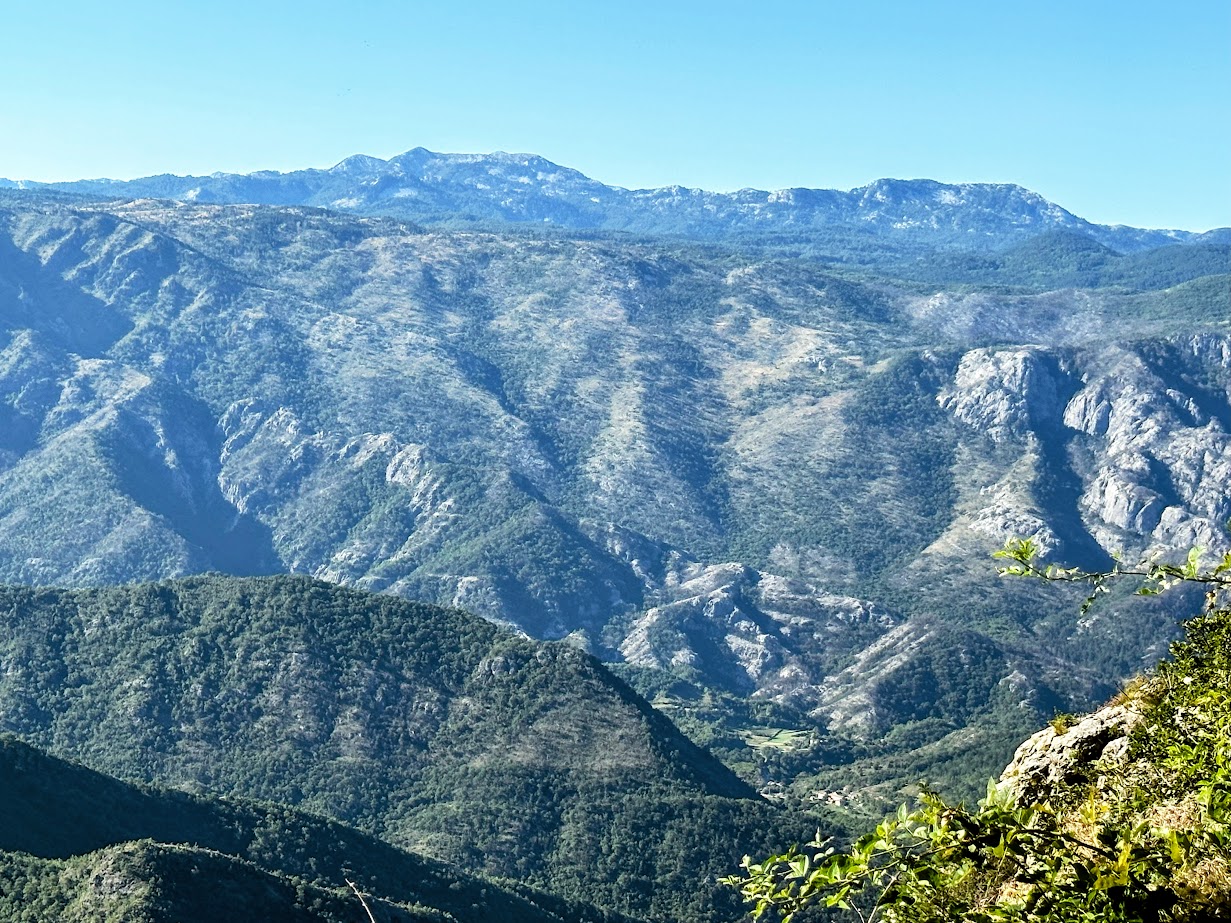
It looked scarier in person, or maybe it was just me. I really felt like we braved the whole roadtrip across Montenegro, because of all the heights. Montenegro is literally translated as “black mountain”. We were witness to its beauty and charm, although we only passed through a section of it (and missed the coast by the Adriatic Sea). Winding roads and rugged mountains? The country has it. Wild animals that roam around include bears, wolves, deer, sheep and goats! So be careful.. Crossing the border went smoothly. We were actually surprised when the officer started talking in Norwegian. He said that he lived in Norway for a while. I wonder how often he gets to see a Norwegian car crossing that border station.

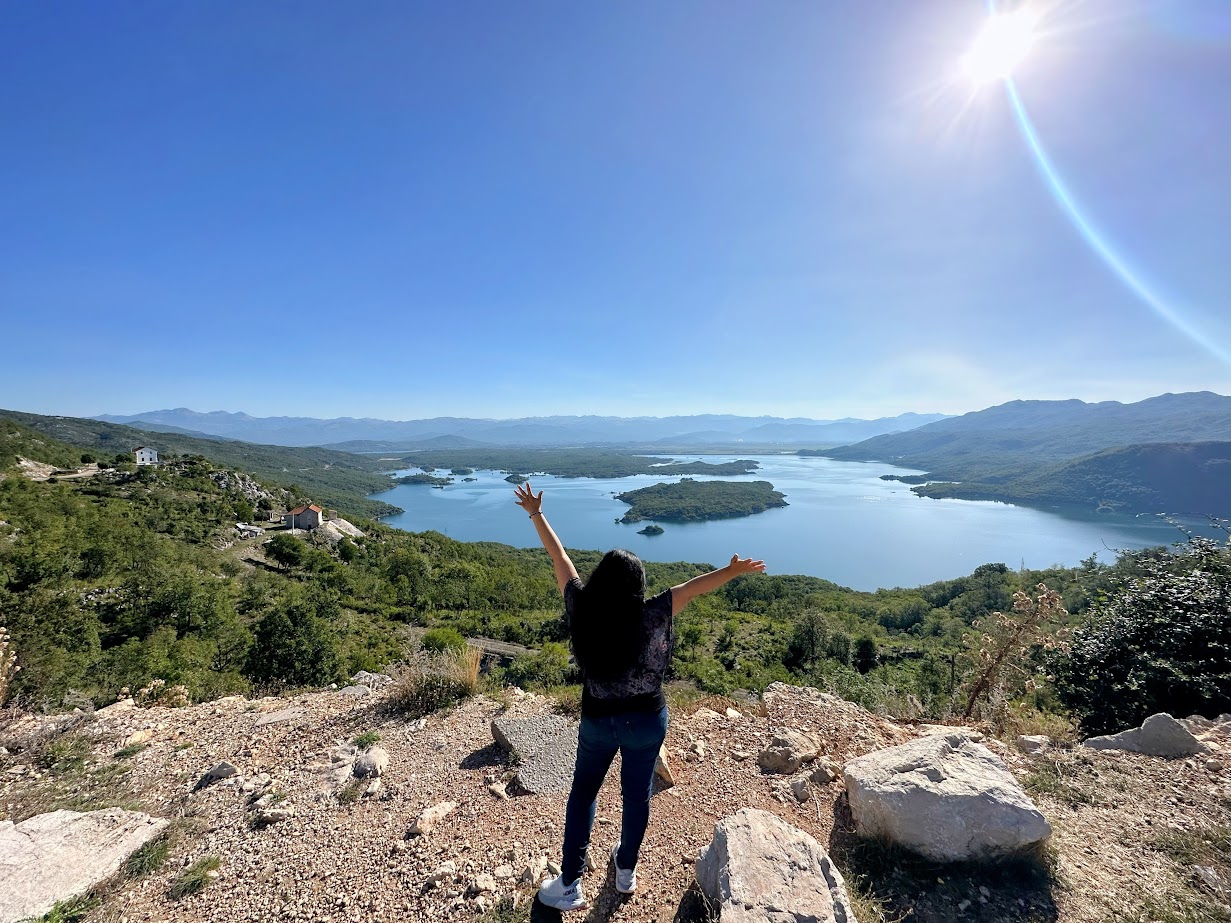
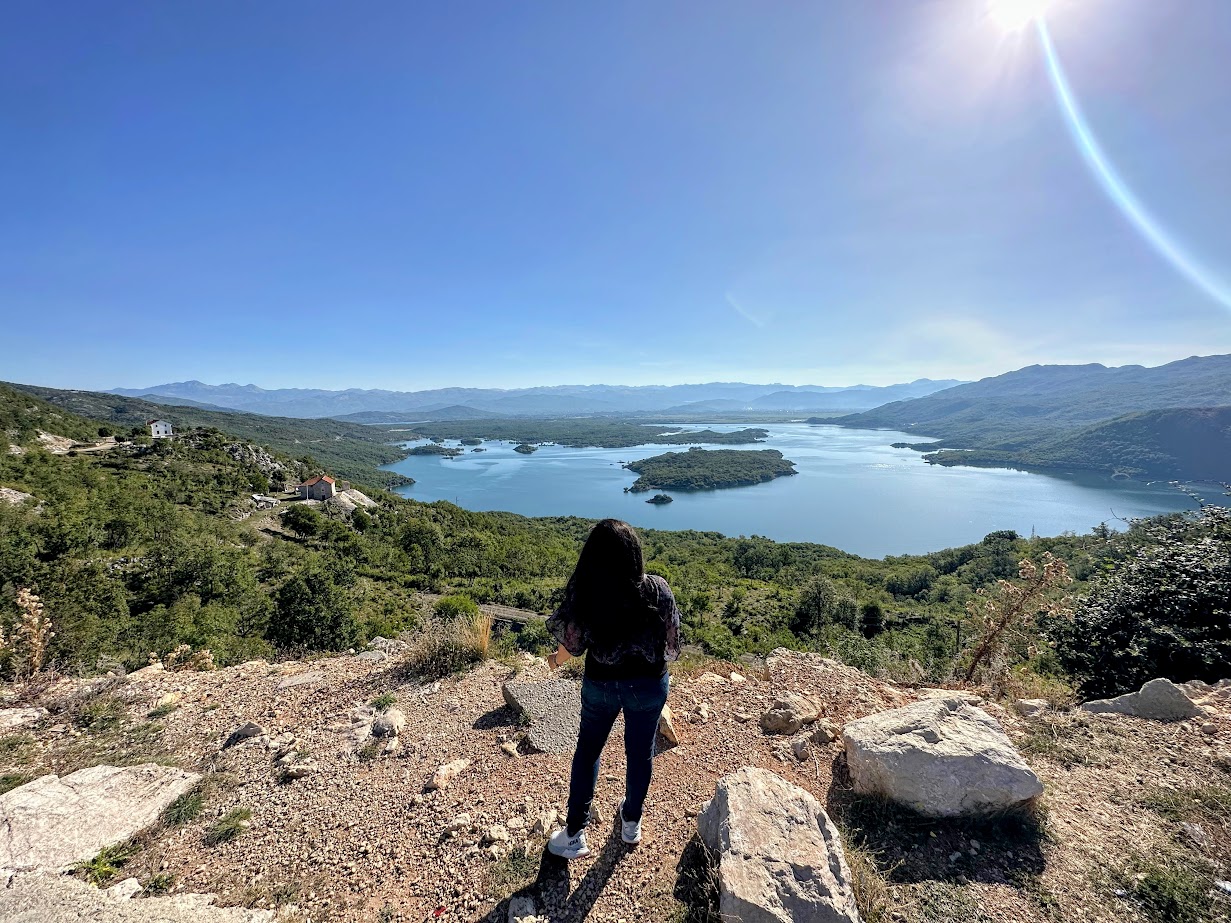
Approaching Nikšić, the second largest city in the country, we were welcomed by these breath-taking views! By the way, we passed by a couple of roadside vendors selling local wines / liquors. And by the area where we stopped to breathe in the views, there was also a stall with the same products. Carl engaged in some conversation with the seller, and he told him what stuff they have. Later on, we saw that it was pretty common to grow grapevines in backyards, in addition to real vineyards in Montenegro. It seemed like some locals get their income from making wine personally. The bottles come in different sizes and colors.

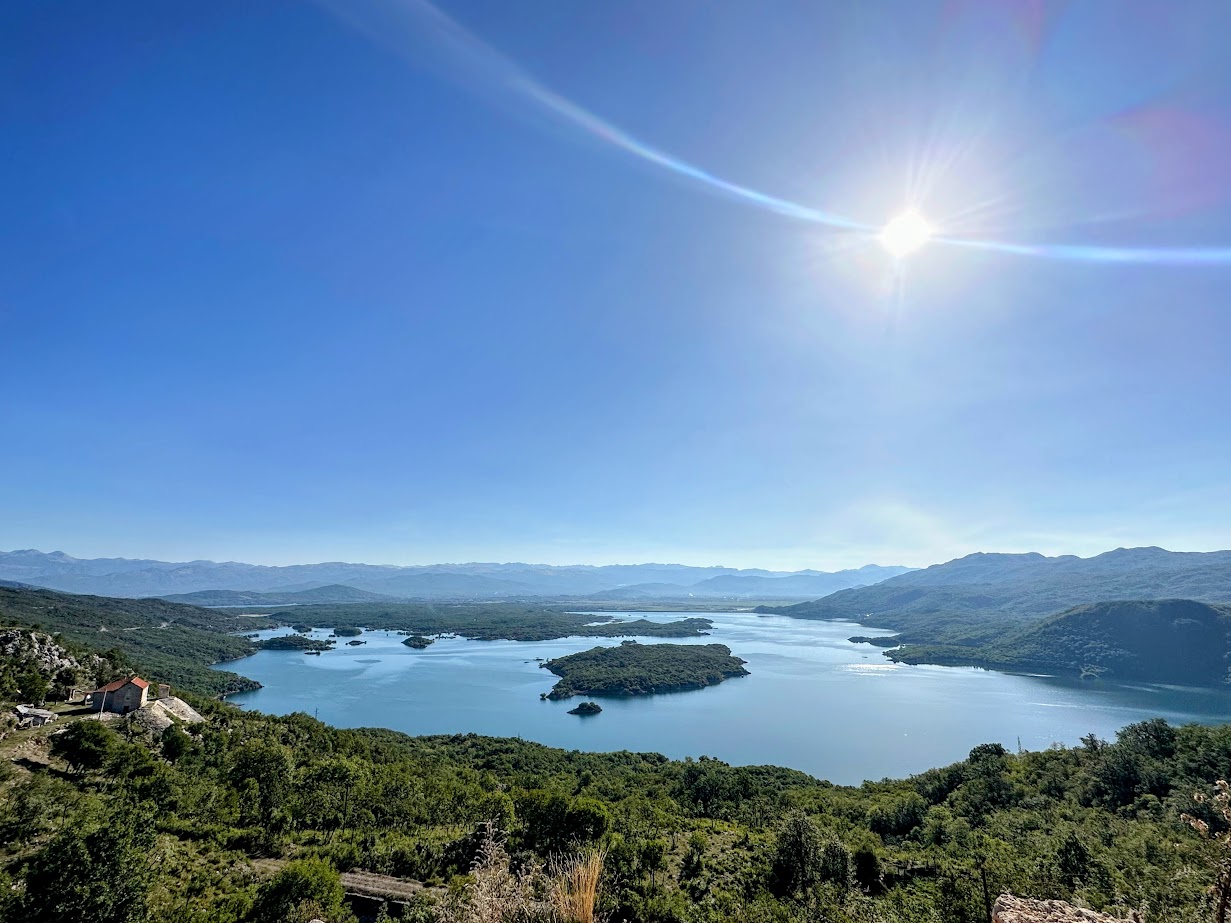
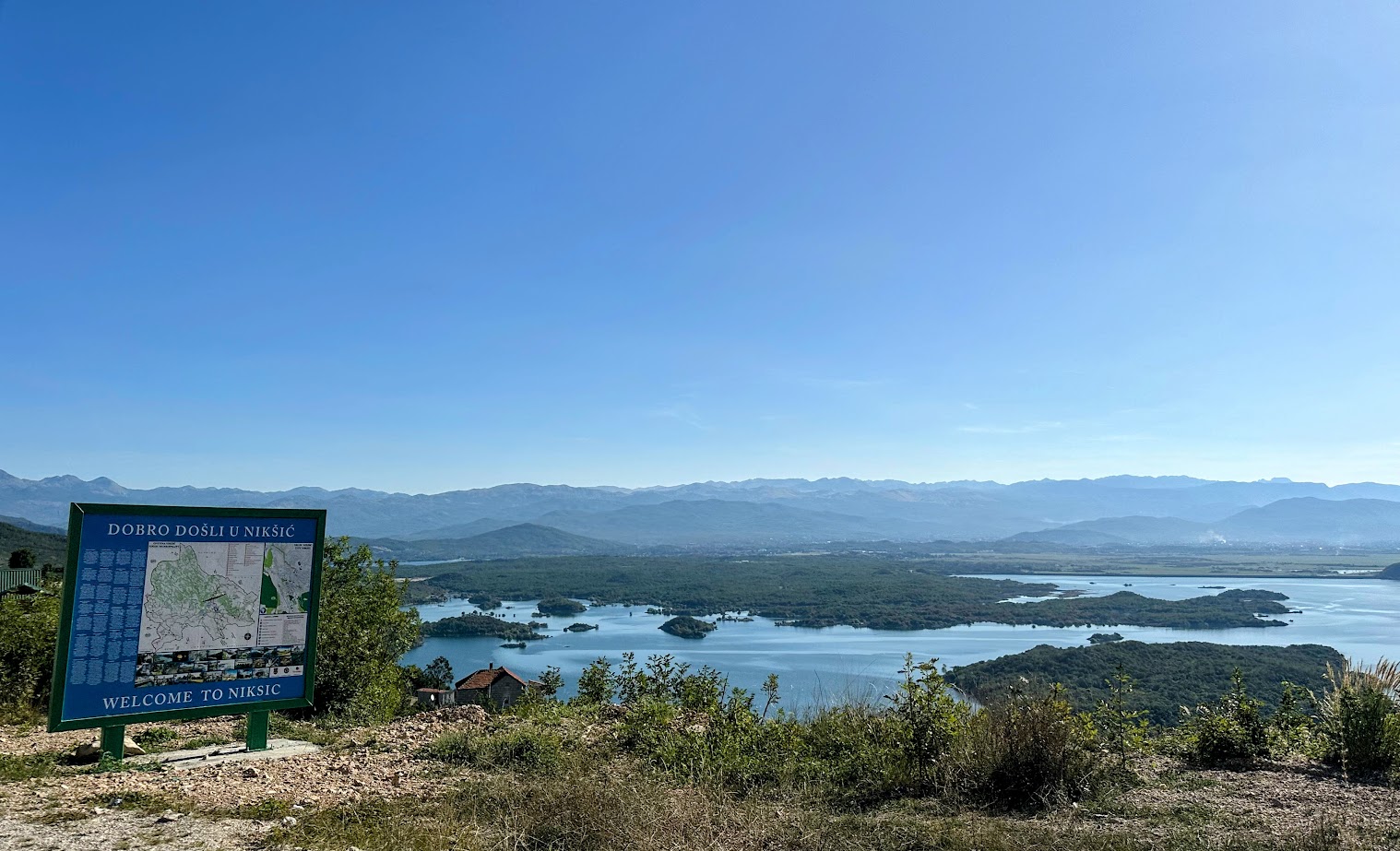
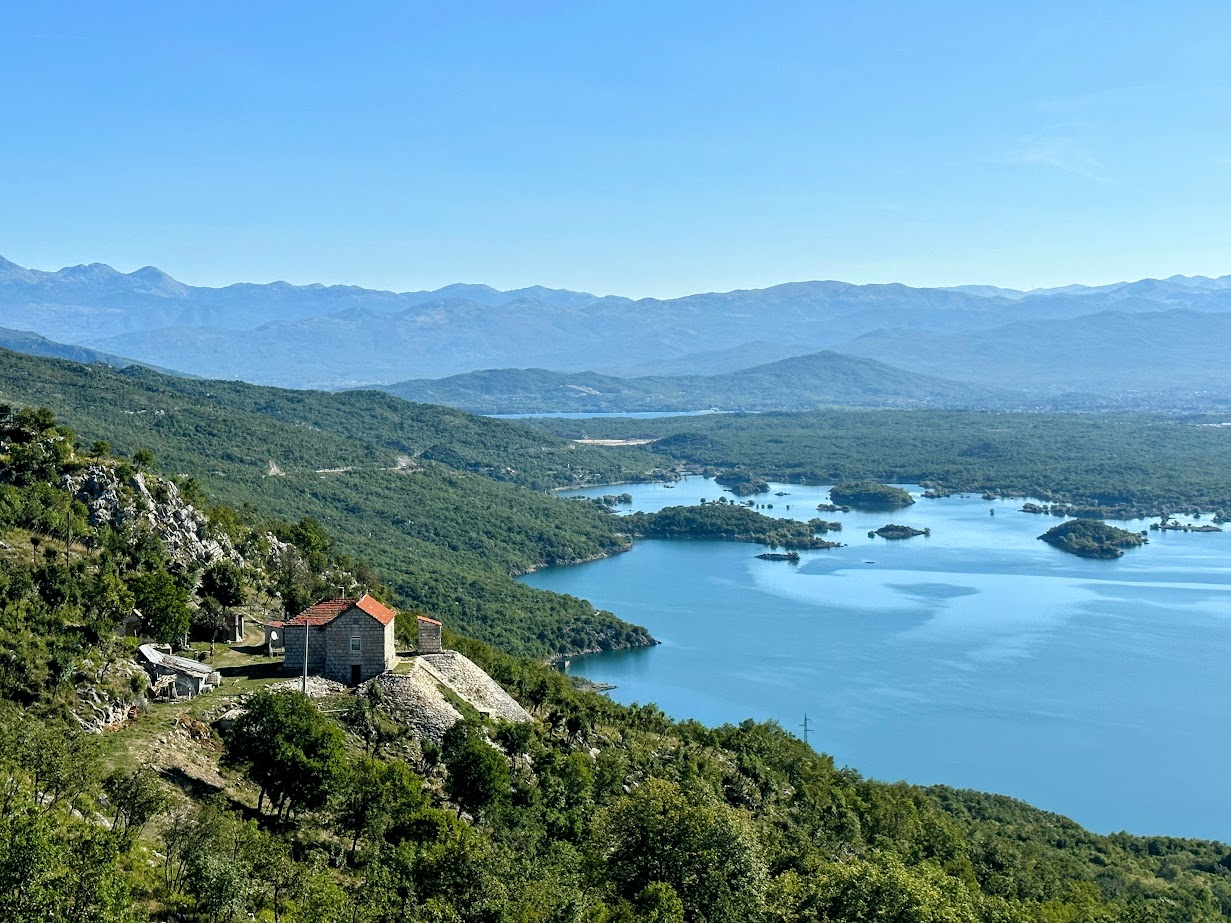


Nikšić has a population of around 56,000. We stopped by a kiosk in a gas station and enjoyed some delicious cakes and coffee. I had this soft, juicy sponge cake with cold milk in it. I don’t know what it’s called, but it was very good on a hot day. No aftertaste! And Carl had cheese cake. Now, the owner was an old man, being helped with a young waitress. The waitress said that the owner collects paper bills. He took out his wallet and showed us his collection. Then, he asked if we had Norwegian bills. We don’t really carry cash in Norway, so he didn’t get anything from us. Later, a big group of Chinese tourists came, and they were so eager to give the man some paper bills (with nothing in return!). How kind!
Some shots from Nikšić:


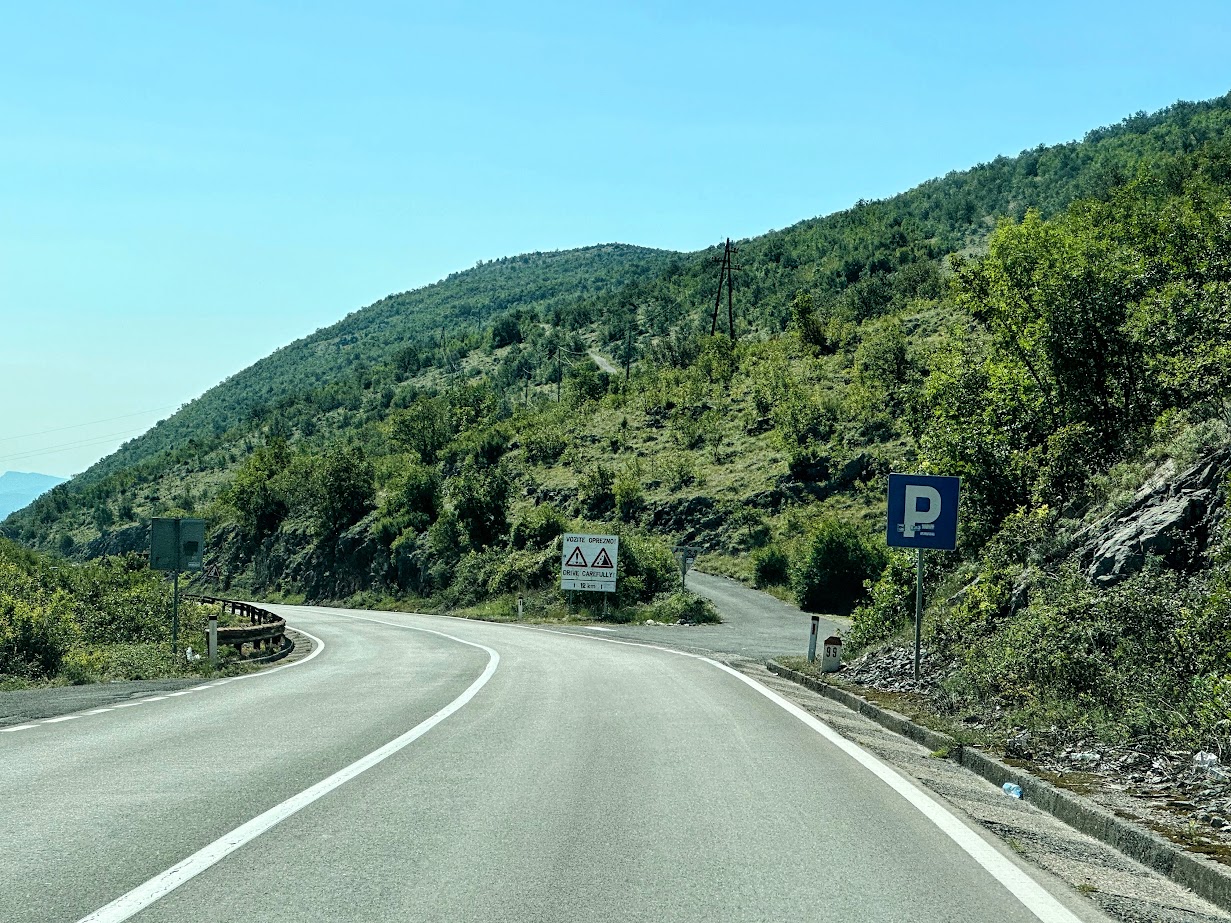


I can still remember the taste of that yummy sponge cake. 😛 On the way, we spontaneously decided to visit some monasteries. Earlier, we said that we would not visit Ostrog Monastery because of the crowd and the far location, but after some missed roadsigns and smaller monasteries that we couldn’t find, the path led us to the winding mountainside road that led to Ostrog. I couldn’t sit properly in my seat – I was so scared (like when we drove up Dalsnibba in Norway, it felt like driving towards heaven). The road was partly paved, and there were portions without safety railings. Carl assured me that it was okay, so off we went. If tourists buses could drive up there, we could. Besides, it was not as high as Dalsnibba.

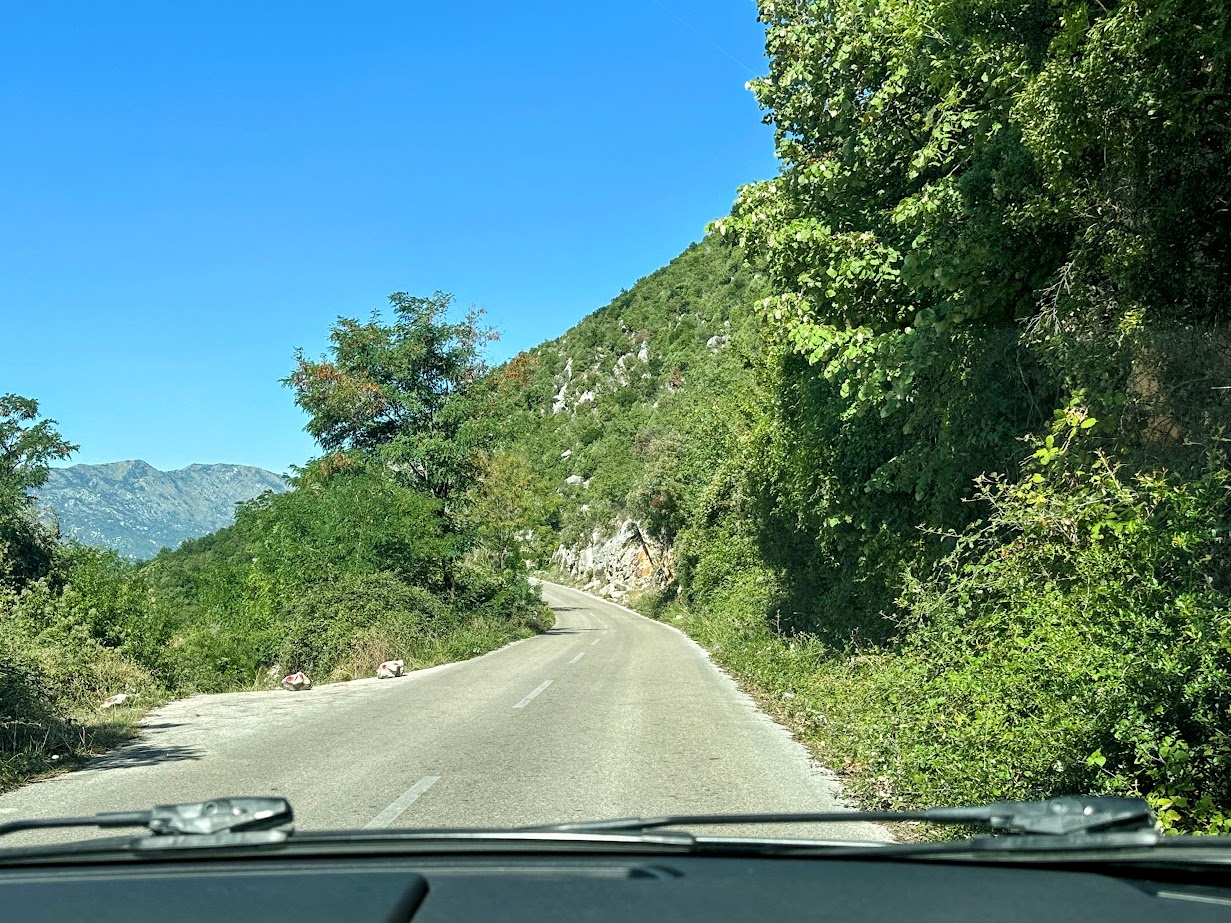


We reached the Lower Ostrog monastery around 11am. There was a ceremony going on, so I didn’t get to see the interior of the church. There were also toilets there, which was necesarry after the nerve-wracking drive.
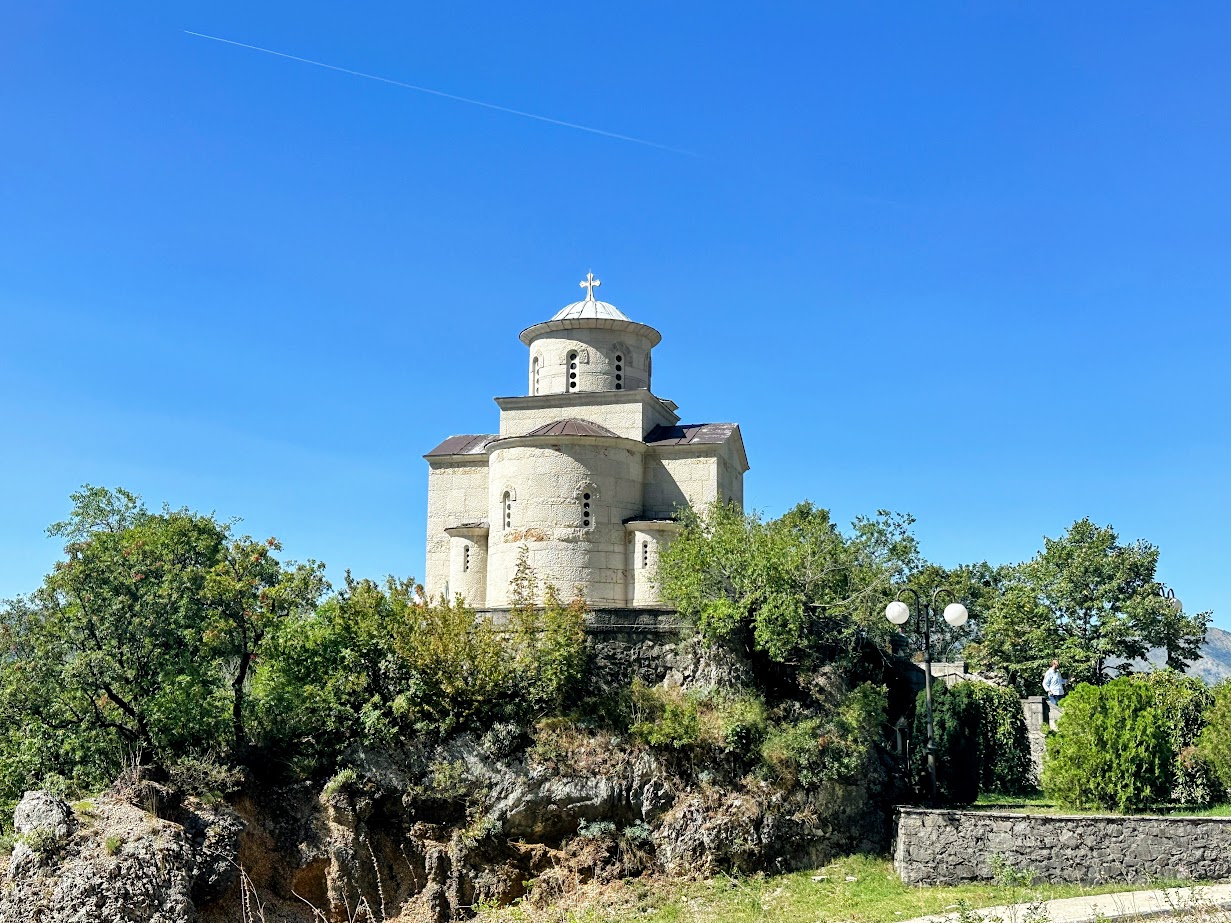

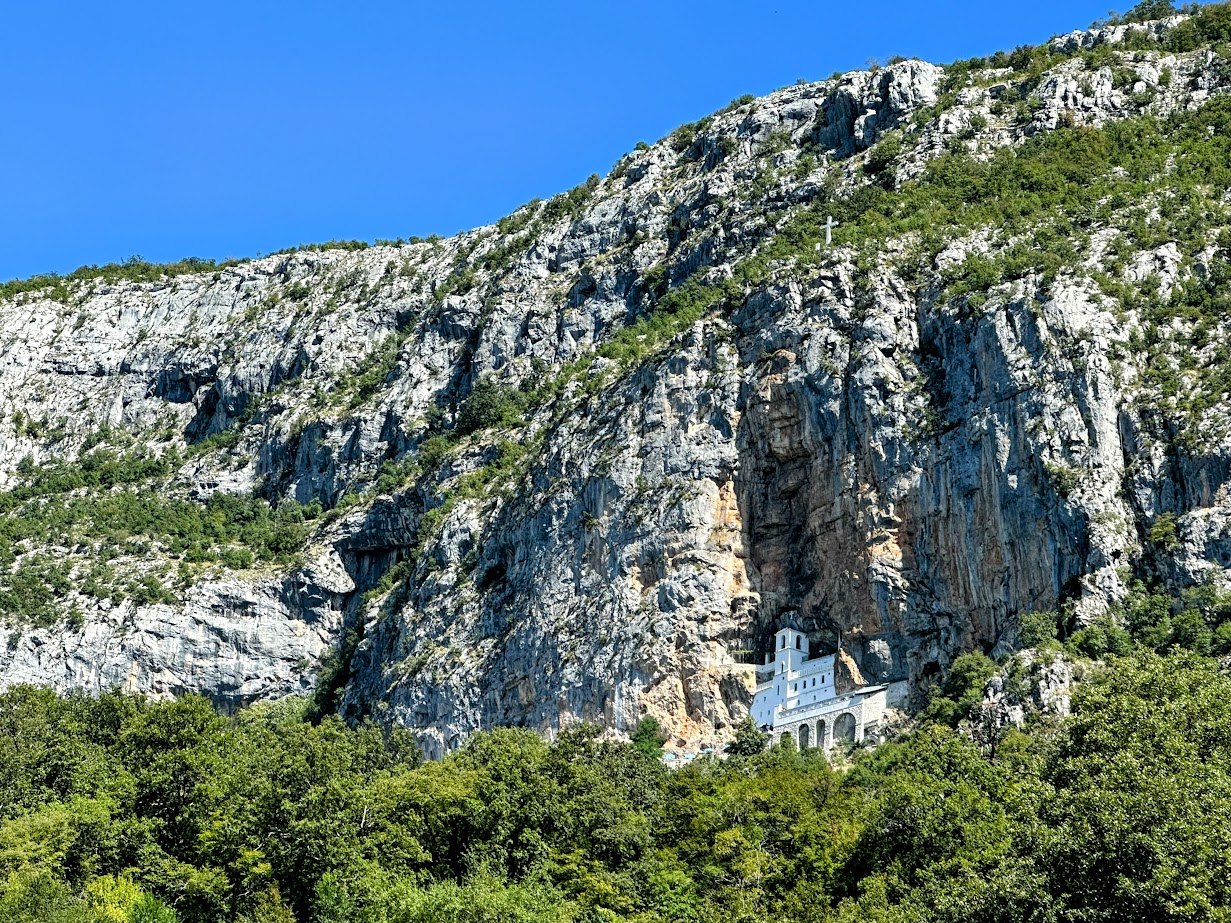
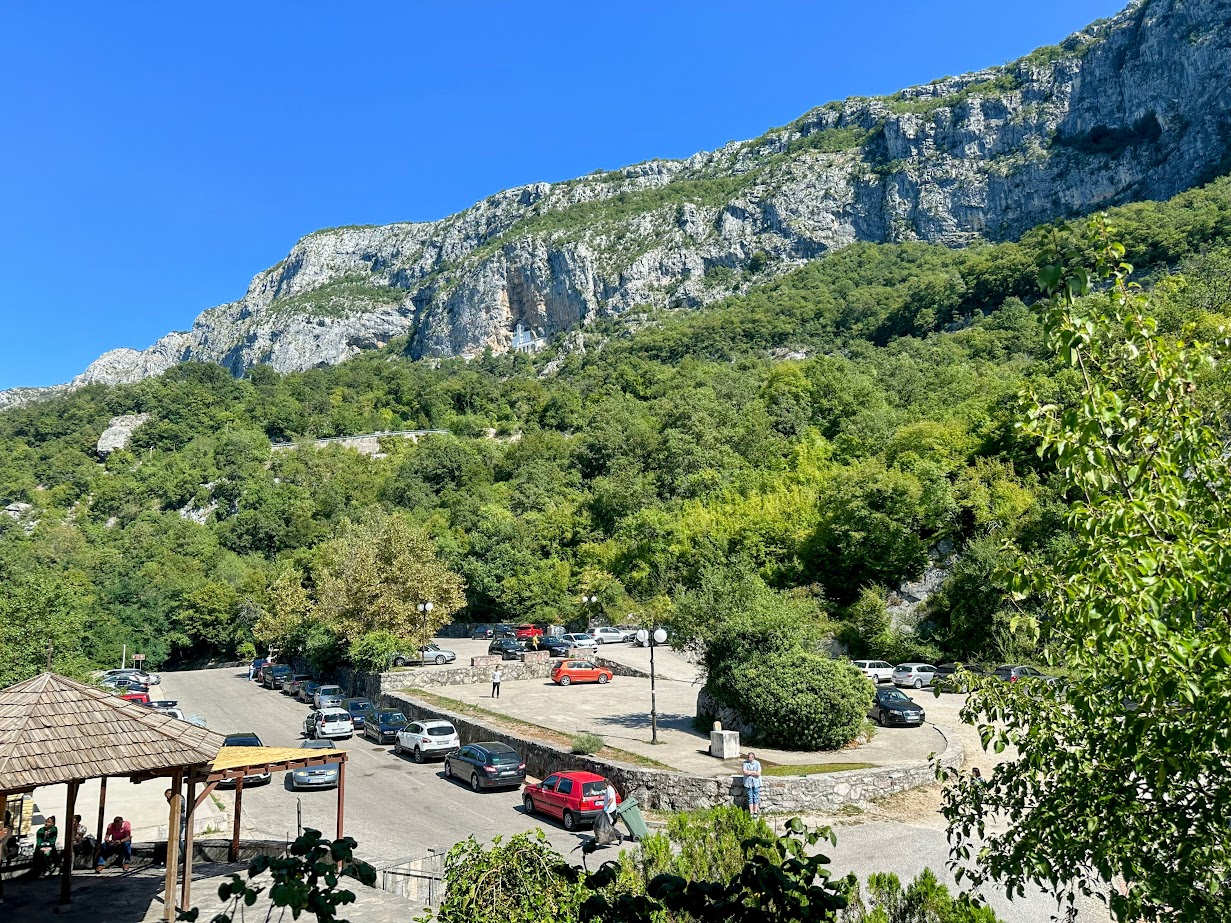

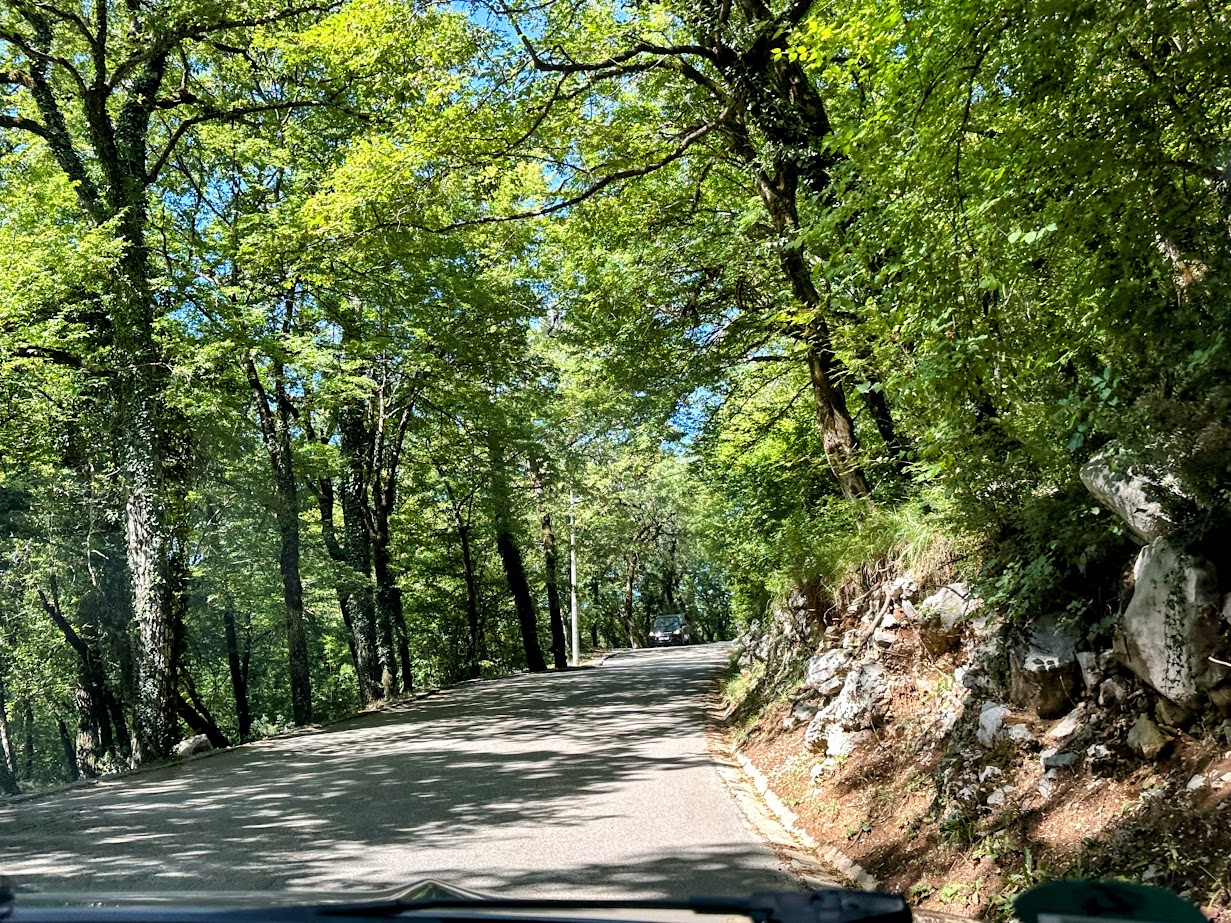
Initially, I wanted to turn and start the drive down and back to the main road. But Carl wanted to see the Upper Ostrog monastery, the very one carved on a huge rock. What could I do? Of course, I sat tightly in the passenger seat and went with him. All the fear was just in my mind, as usual. The drive farther up was not that bad, despite the roads being narrow.
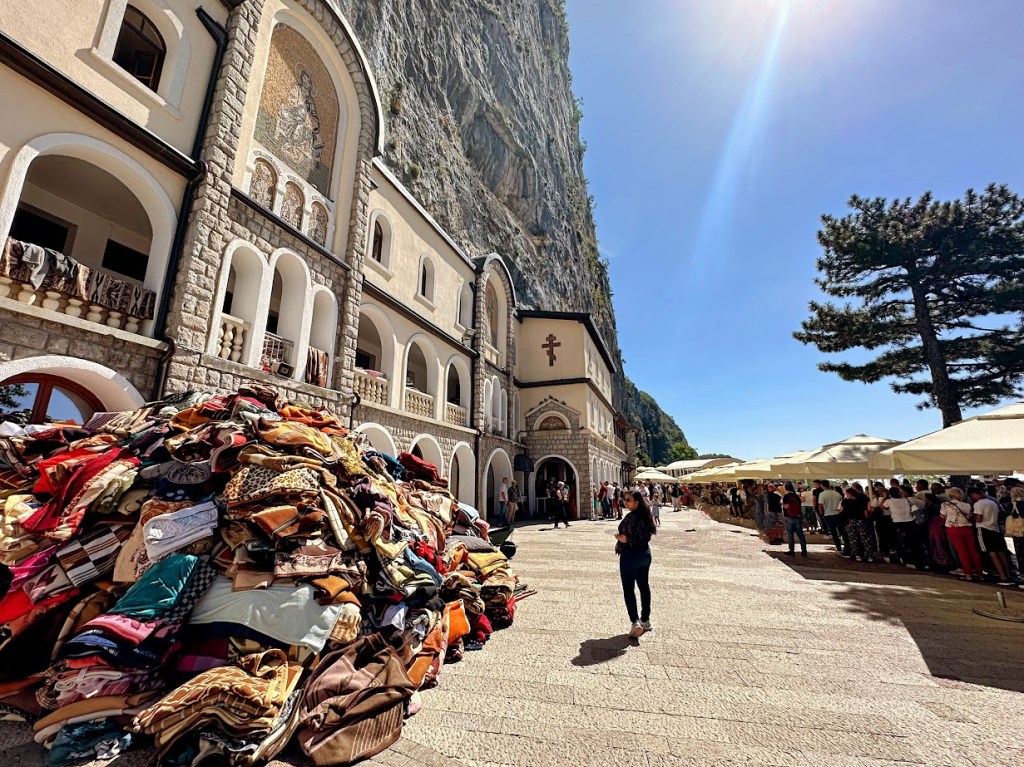
The Ostrog Monastery is one of the most popular pilgrimage places in the Balkans. Originally, visitors are required to climb 3kms to the building, and offer clothes and other toiletries for the monks. Situated high up in the large rock of Ostroška Greda, it was built in the 17th century, dedicated to St Basil of Ostrog whose remains are buried there. During our visit, it was allowed to park nearer the church, but visitors had to climb the remaining kilometer/s. I can’t remember how far, but it was quite an exhausting climb, especially when done on a hot day! The stairsteps were also shiny / a bit slippery, so be careful!

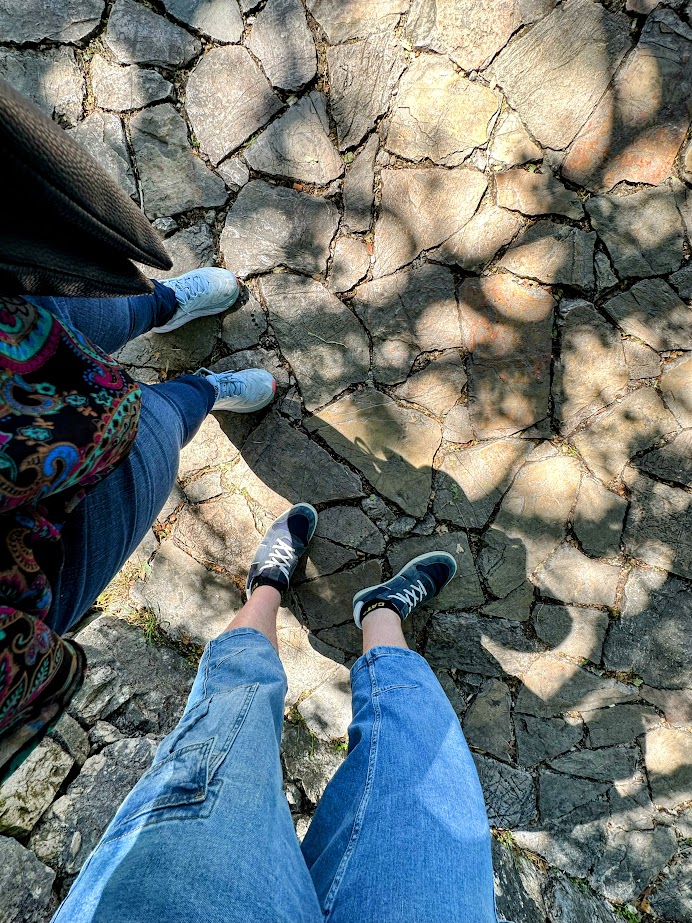


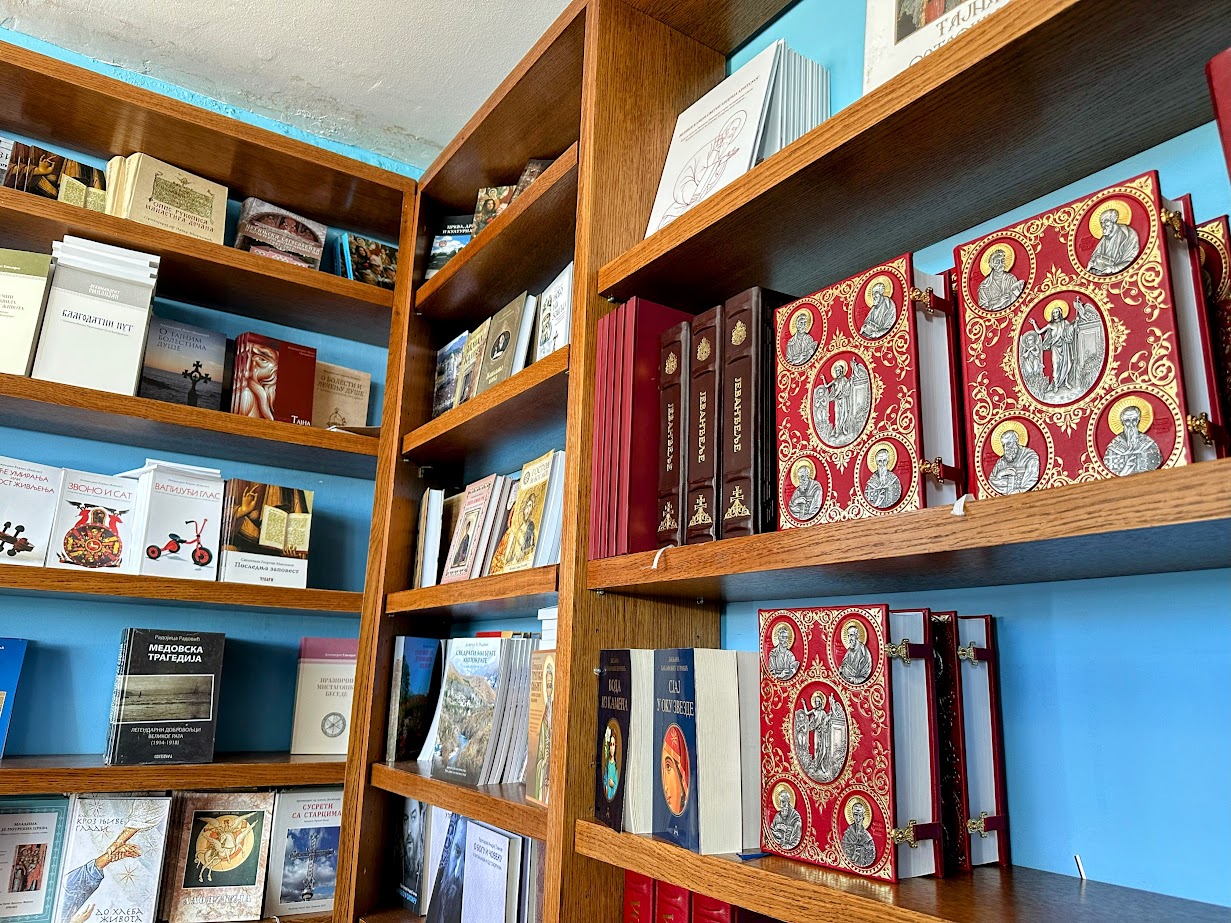

Thankfully, the climb was worth every sweat.. The monastery’s facade was beautifully adorned with mosaic. The huge pile of donated clothes/blankets/carpets was also very noticeable. We scoured our pockets for coins, so we could buy and share a bottle of water. We also checked out the souvenir store. My, Orthodox Bible had intricate designs. Sadly, we didn’t have the whole day to wait in the long line to see the interior.
From up there, one can admire the Bjelopavlići plain. I’m just glad that my husband pushed me against my fears. 😘 We continued the roadtrip towards the capital city: Podgorica.


Podgorica looked modernized and very clean! It has a very long history, which involved a change of name several times. Not far from it was the ruins of the Roman-era town called Doclea, where the mother of the Emperor Diocletian was born. Earlier in the trip, we visited the Diocletian’s Palace in Split, Croatia, where the said emperor was supposed to retire. So, this trivia was interesting to me. Podgorica was called Birziminium when it was founded by the 11th century. Then, it became known as Ribnica. Podgorica, meaning “under the hill”, was first used in the 1300s. From 1946 to 1992, it was called as Titograd. Then, back to Podgorica. The whole metropolitan area has a population of around 185,000 (as of 2011).
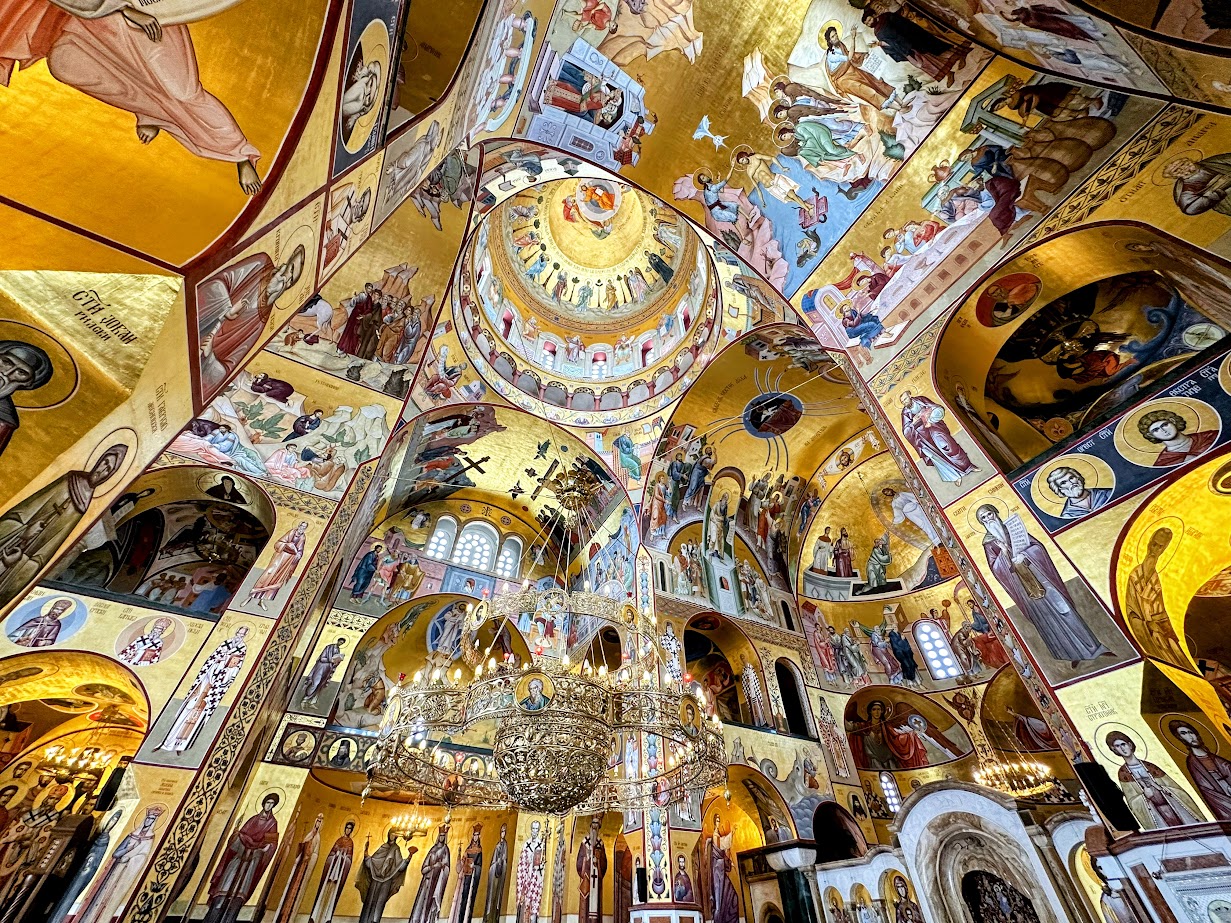
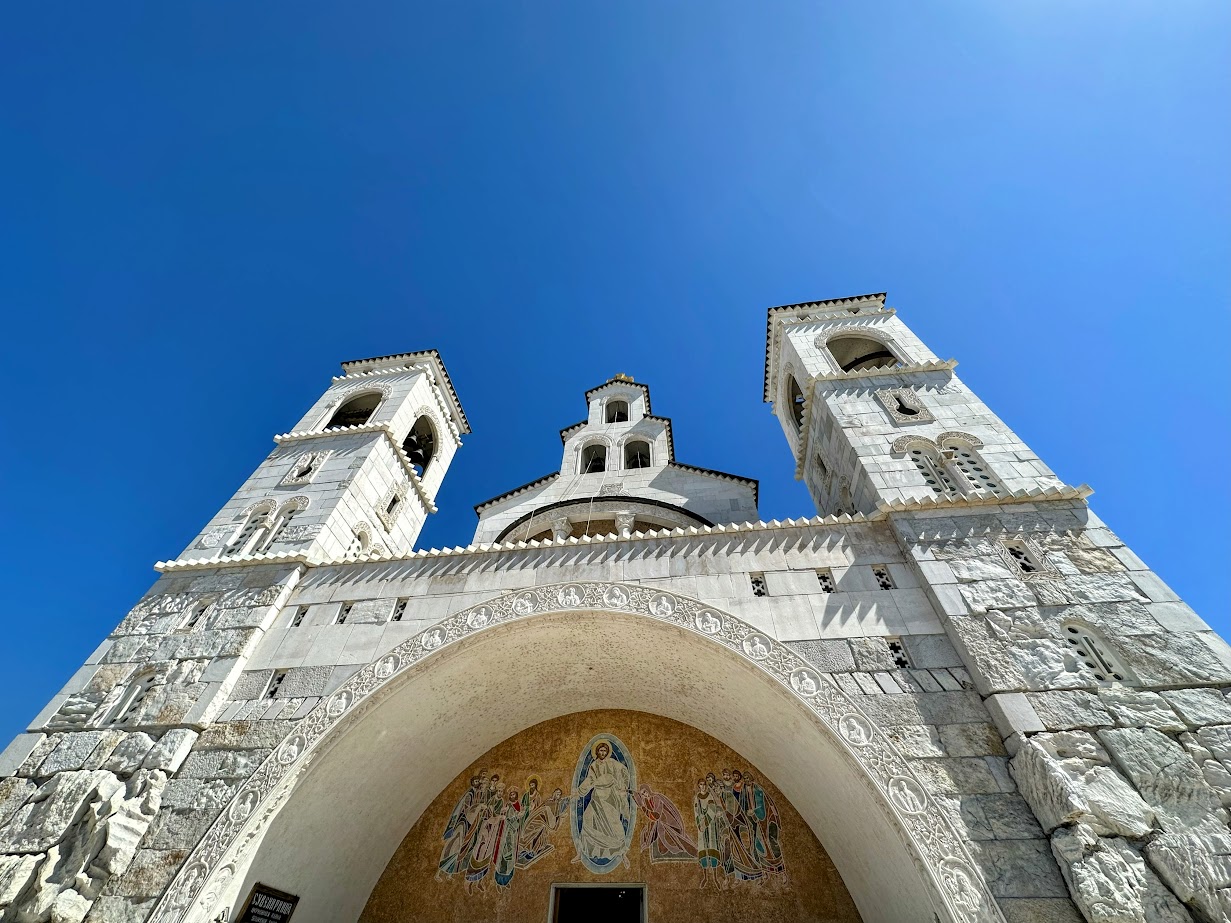
We parked by the Orthodox Temple of Christ’s Resurrection, which was standing proud at 42 meters in height. The church was opened in 2013, so it’s pretty new. The exterior was amazing and very charming. And oh my gosh, the interior was jaw-dropping! It was very bright and intense, the ceilings and walls beautifully adorned with religious figures, and the marble floors vibrant! And what I liked best: it was opened to visitors for free, like how churches should be.




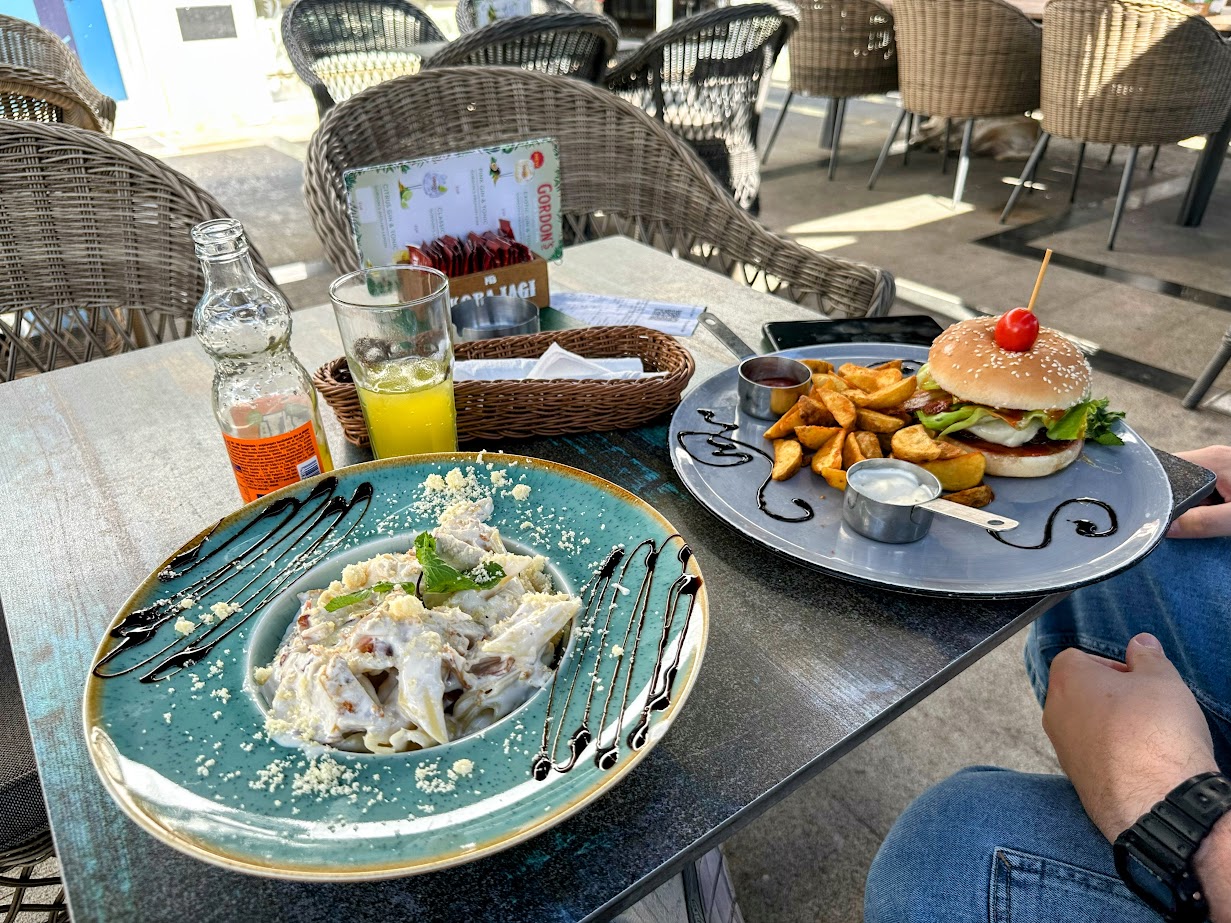
It was 2pm and we were starving. There were restaurants right by the church. We waited there in vain – just like in Trebinje in Bosnia & Herzegovina, nobody came to wait. It was very confusing. We threw glances at the waiters by the counter, who were just talking, but they just ignored us. We had to approach them and ask. Perhaps, there was a language barrier. Now that I think about it, I googled a bit and found that some visitors had the same experiences. Anyway, we left the restaurant and walked a bit farther to a bistro restaurant. We were also not waited on at once. We had to look for the waiter before we were seated. Well, next time, we know. We have to be more assertive, maybe? I don’t know. But the food came and it was good.
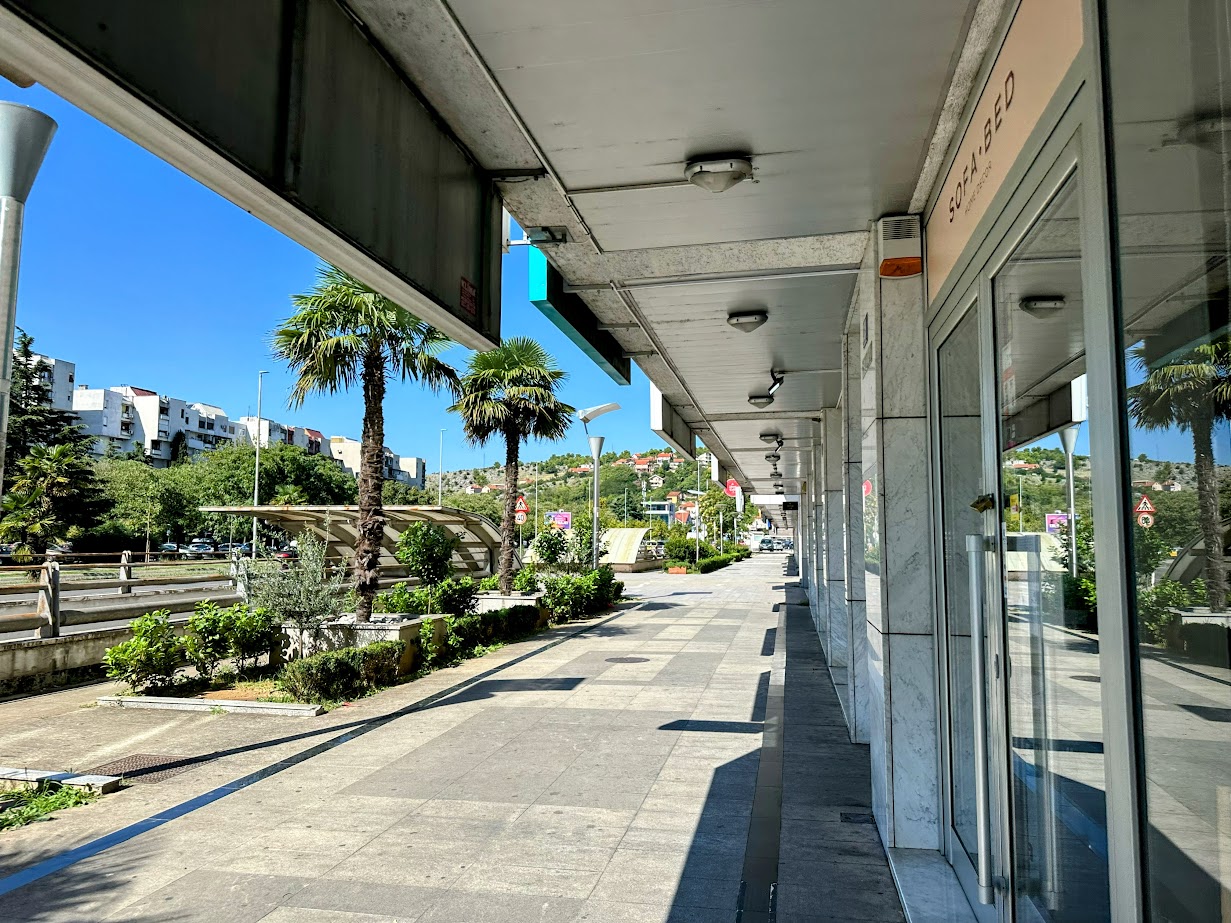
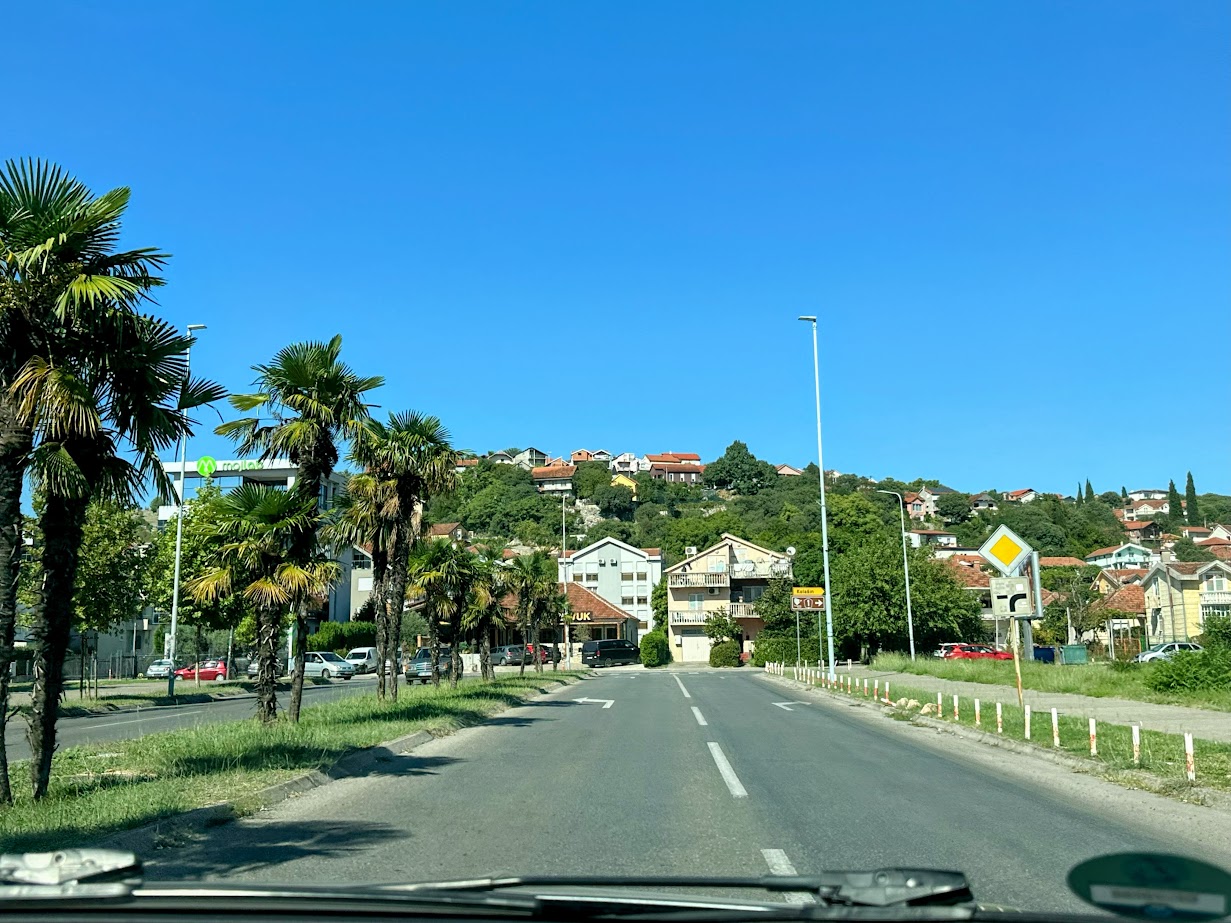


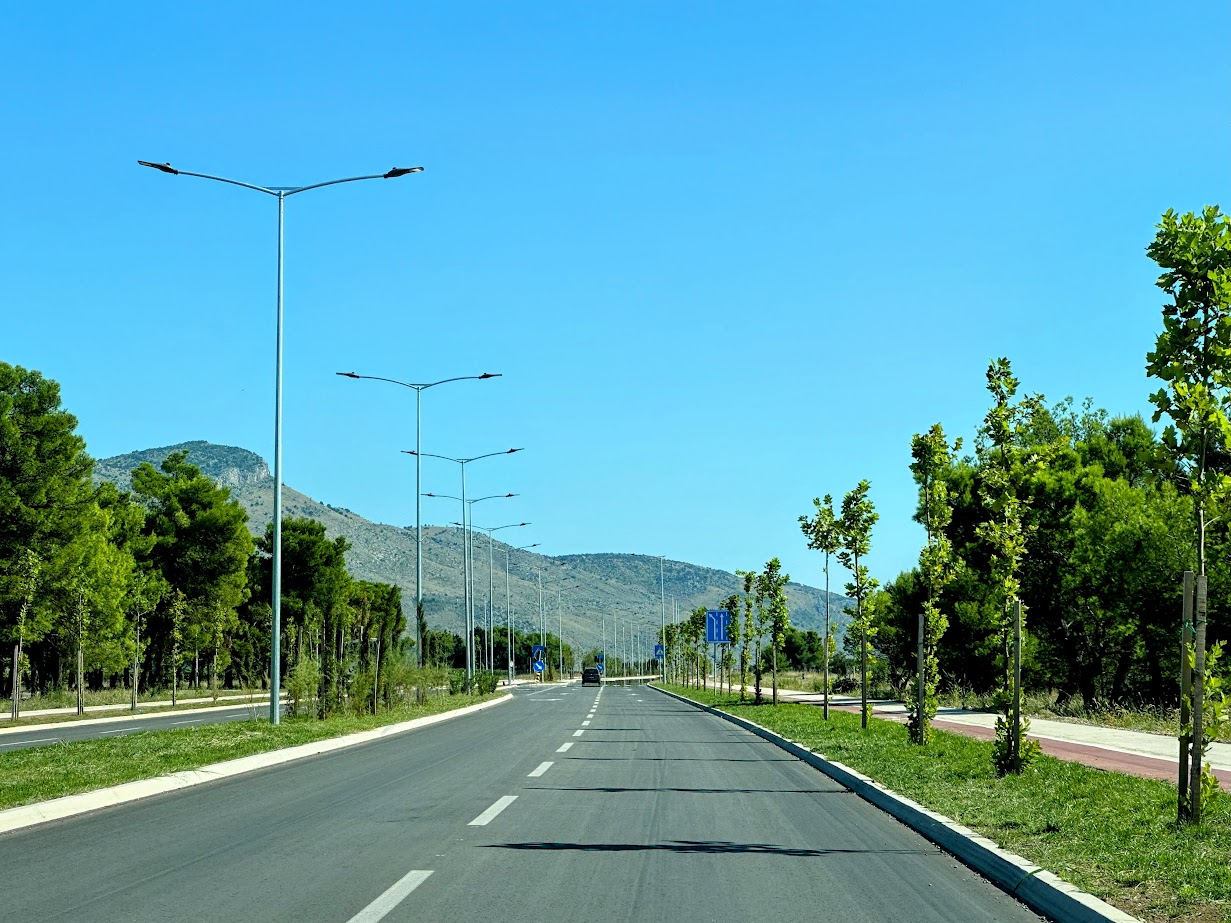

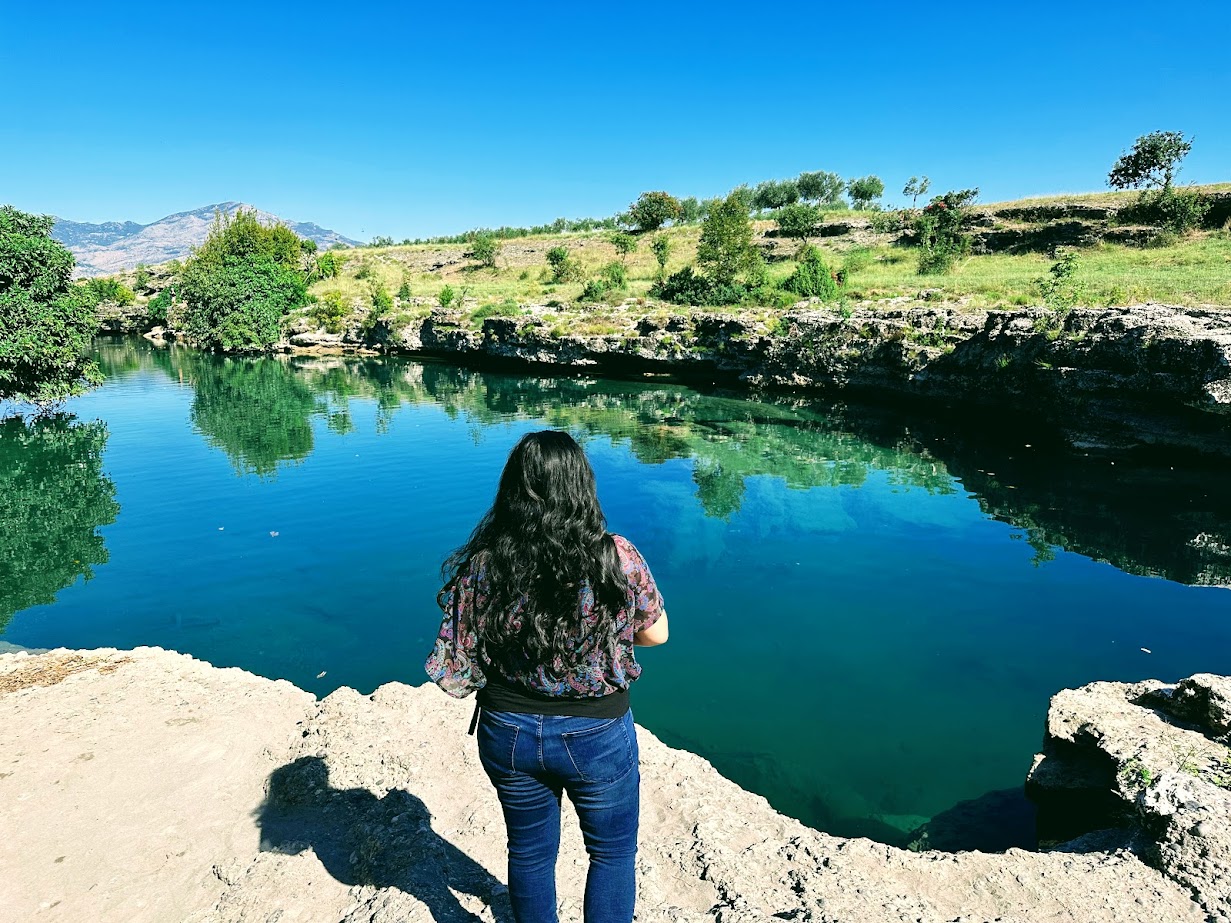
Before leaving Podgorica, we decided to check out the Cem or Cijevna river canyon. We thought that perhaps, we could bathe there. There’s also a portion of it which has gotten the name Niagara falls, but we didn’t get that far. The parking area was right by the canyon, and close to a restaurant. There were a few people bathing, having fun. We tested the pristine turquoise blue water – it was too cold for us.

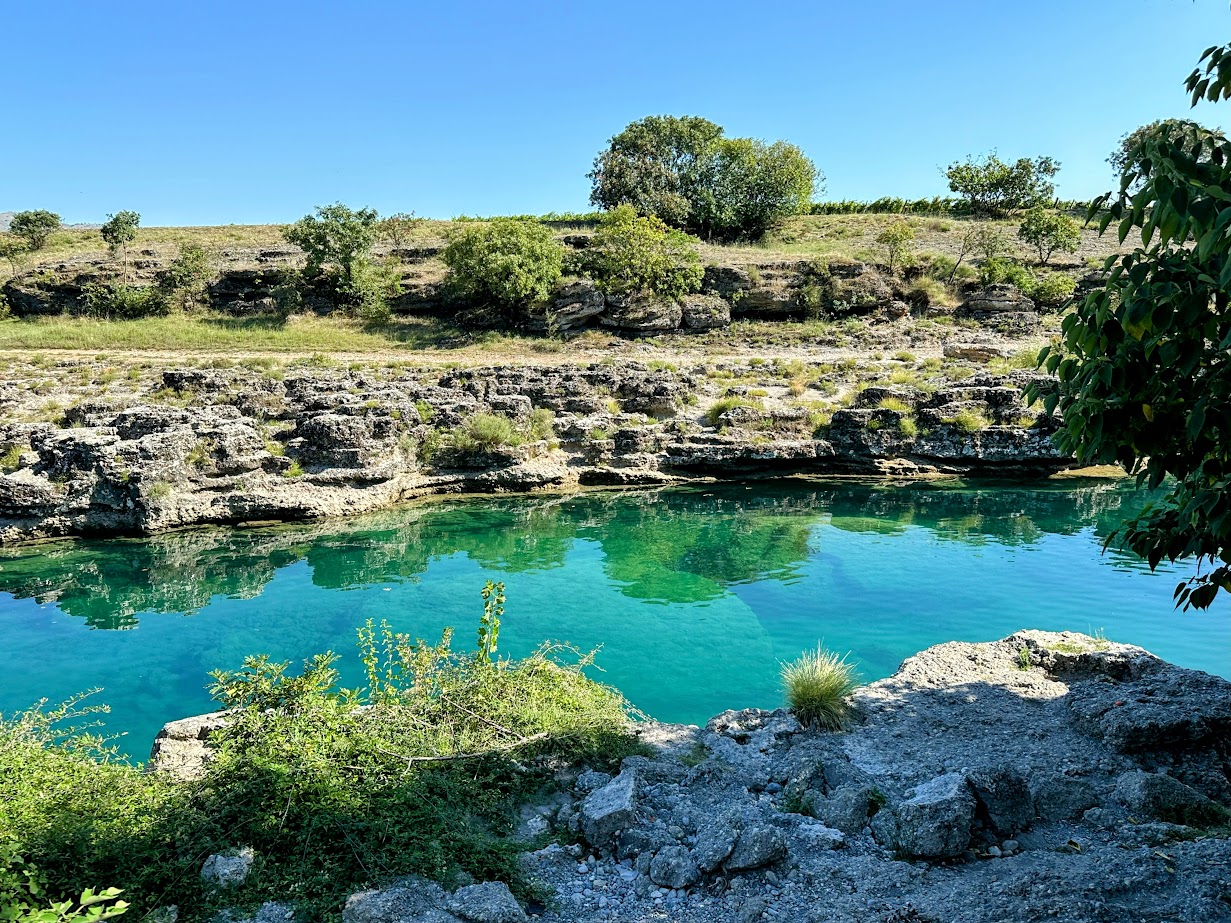

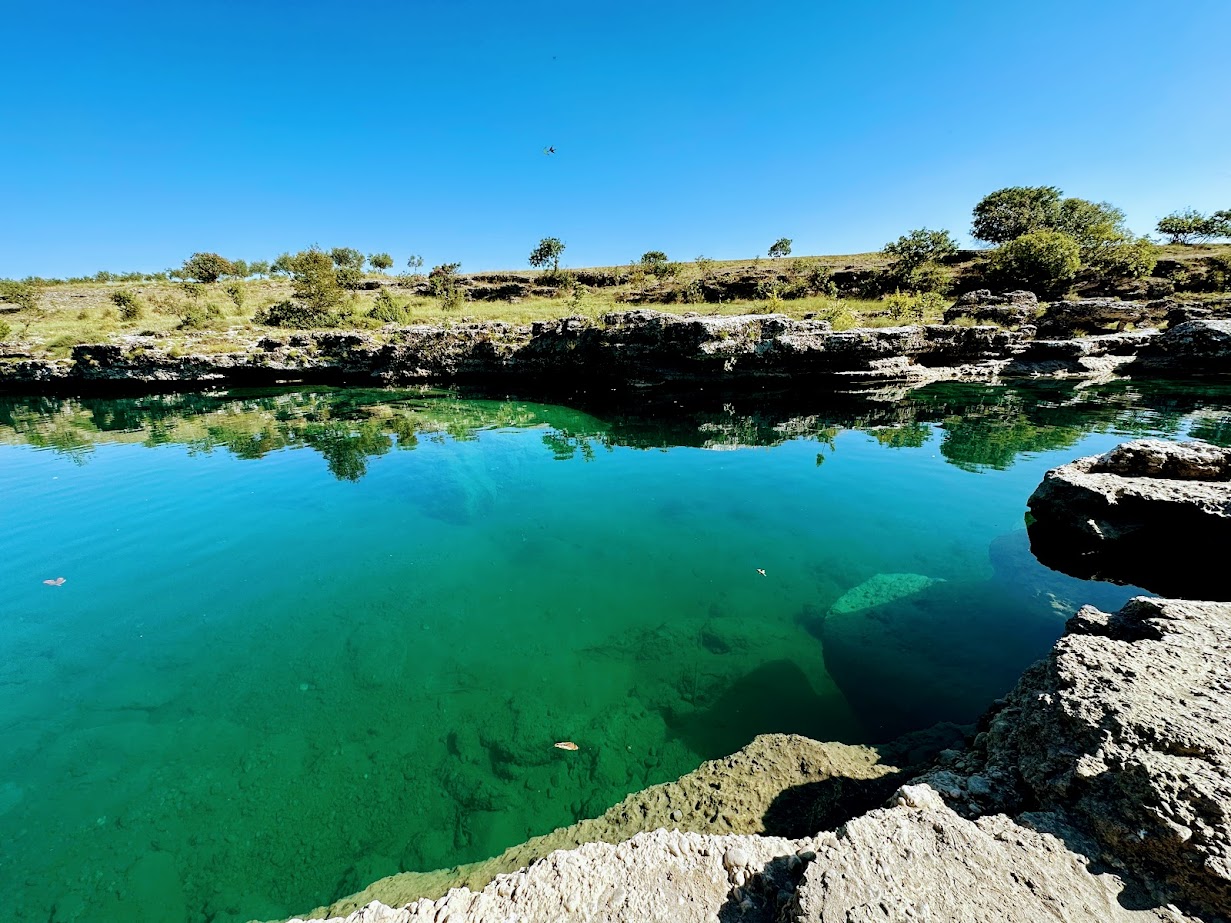
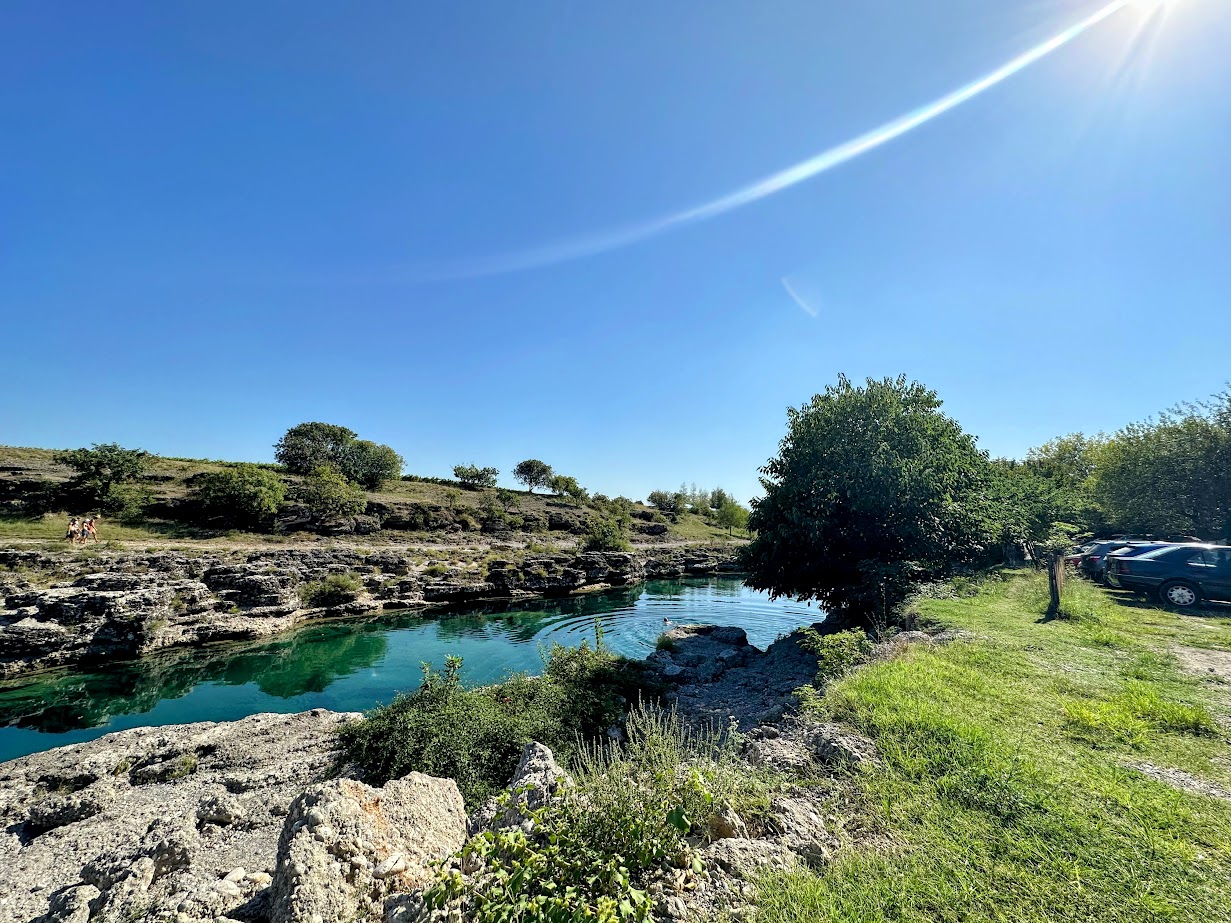
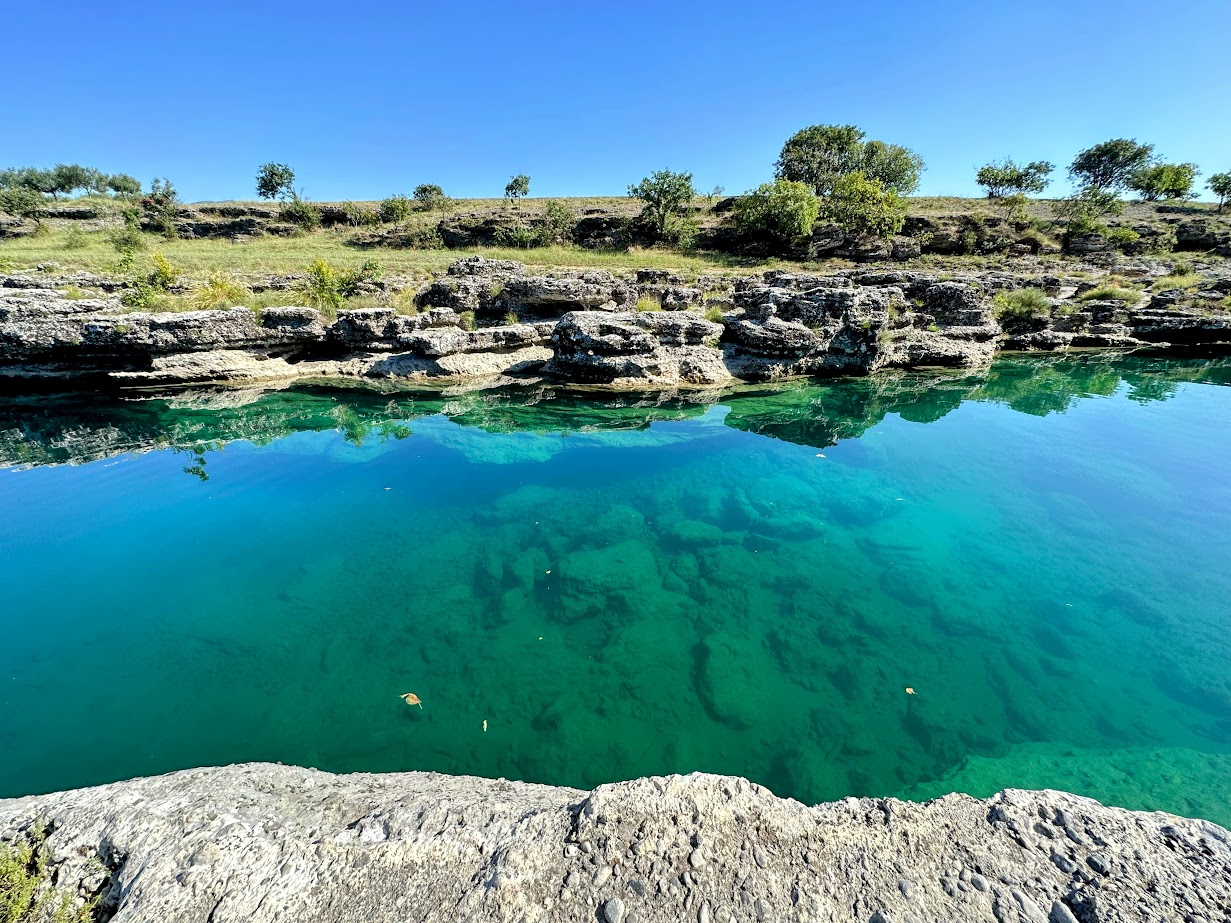

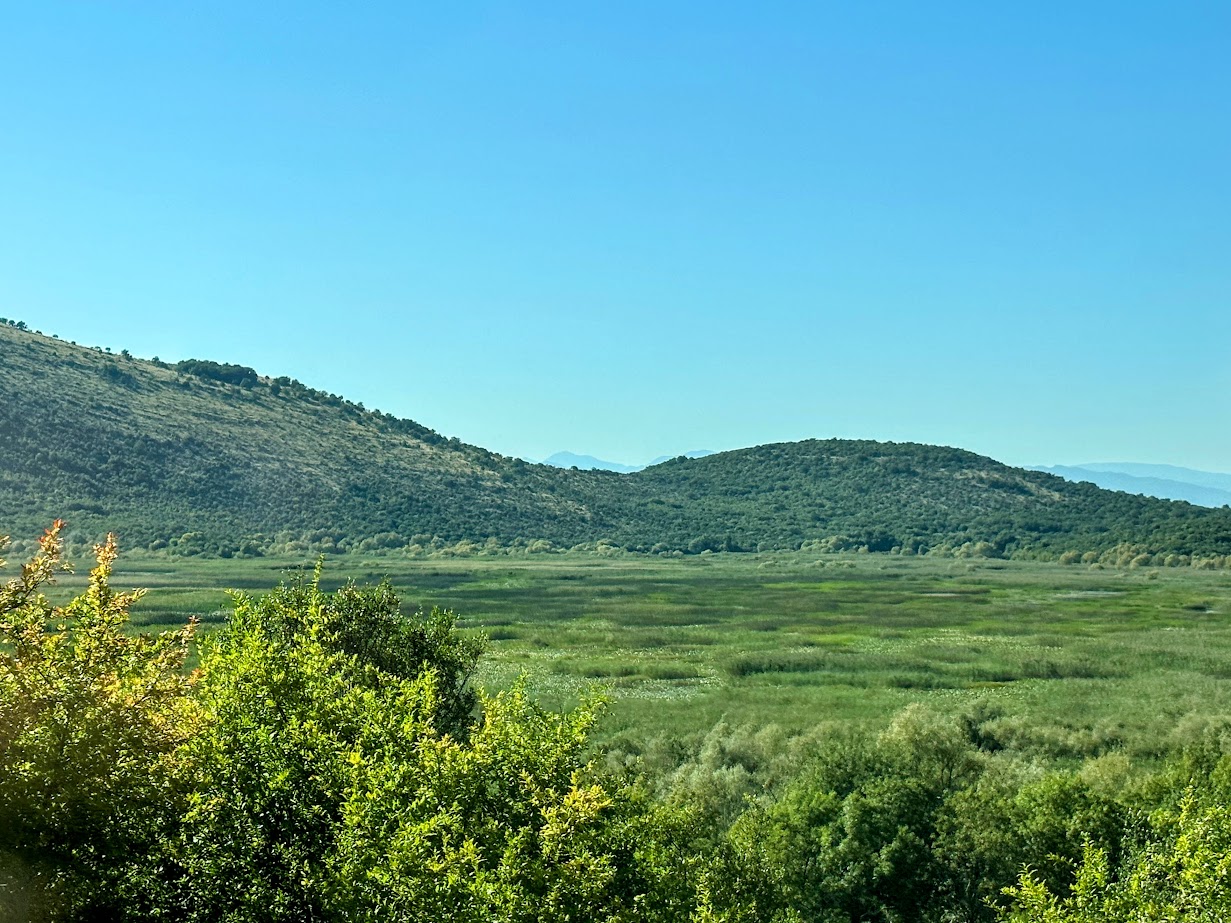
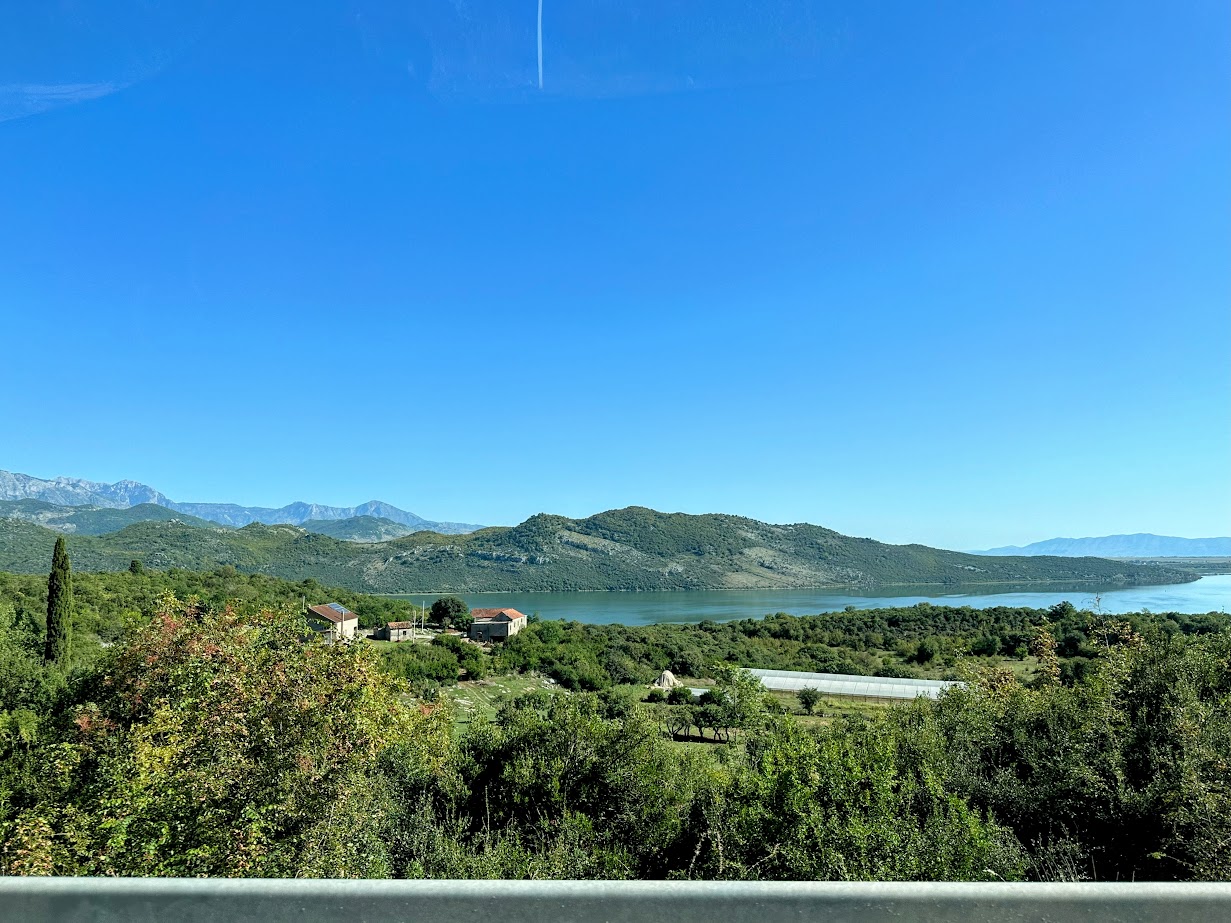
Some last shots from Montenegro:




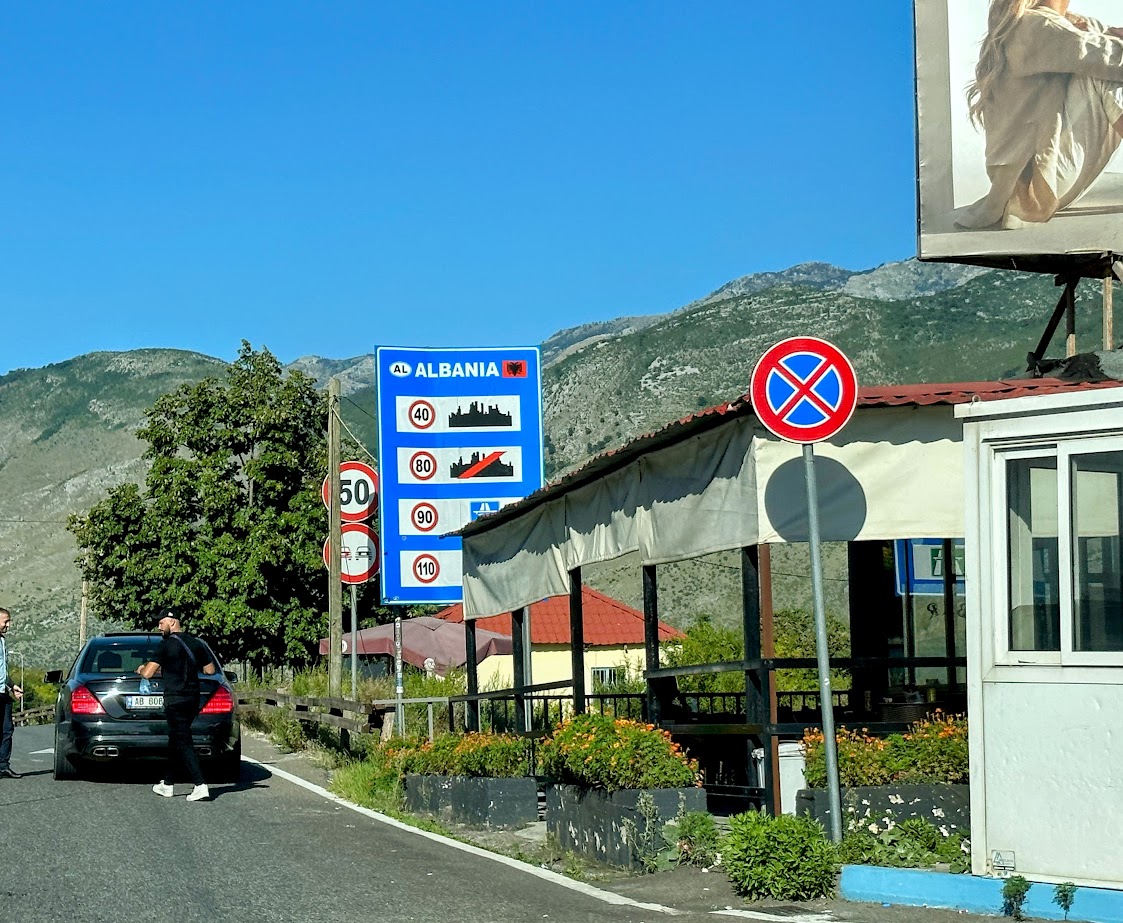
Then, it was time for Albania, which is a popular holiday destination for Norwegians. During this trip, we decided not to visit the famous beaches due to limited time. We were going to spend the night in Shkodër, also known as the gateway to the Albanian mountains. When we crossed the border, the officer asked where we were headed after Albania. When we said, “Kosovo”, he just smiled, gave our passports back, and said “good bye!”
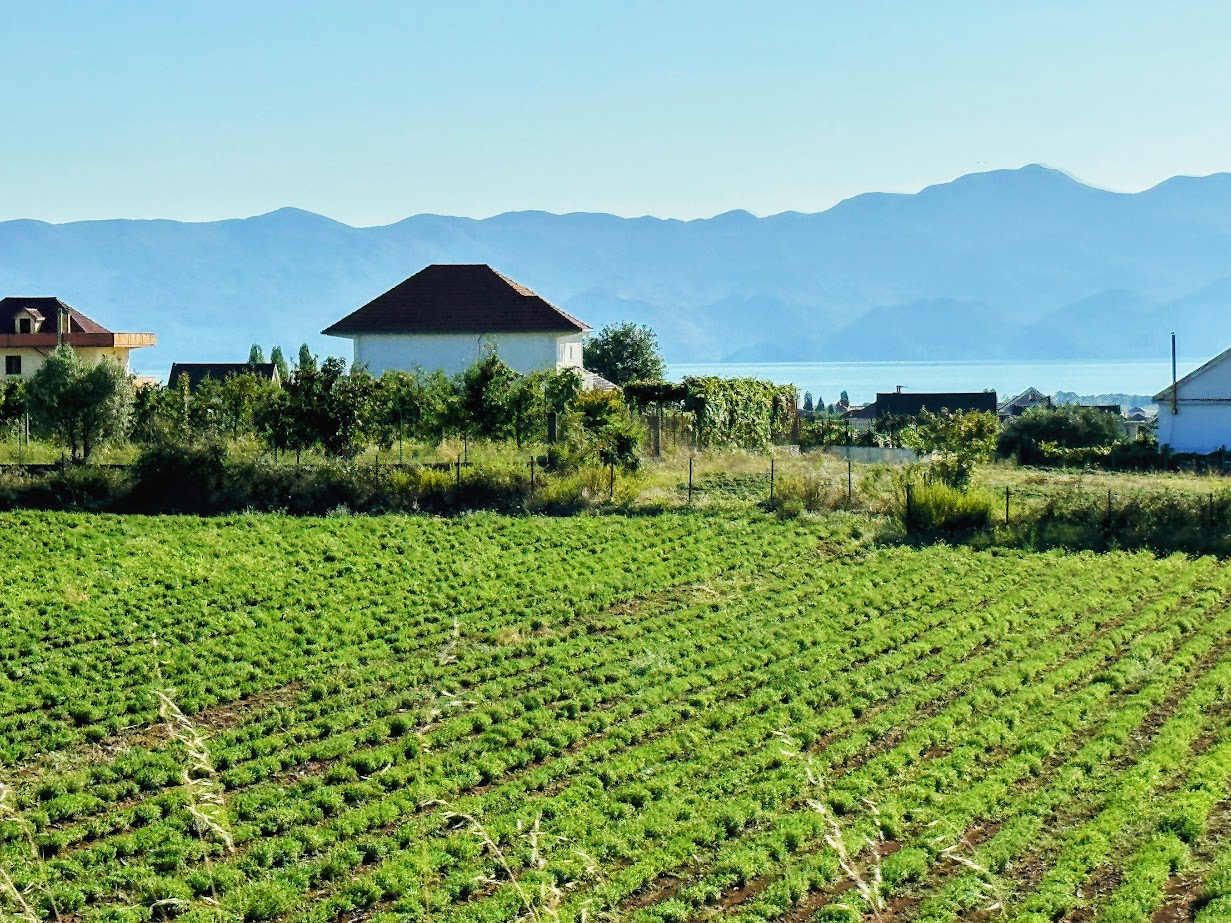


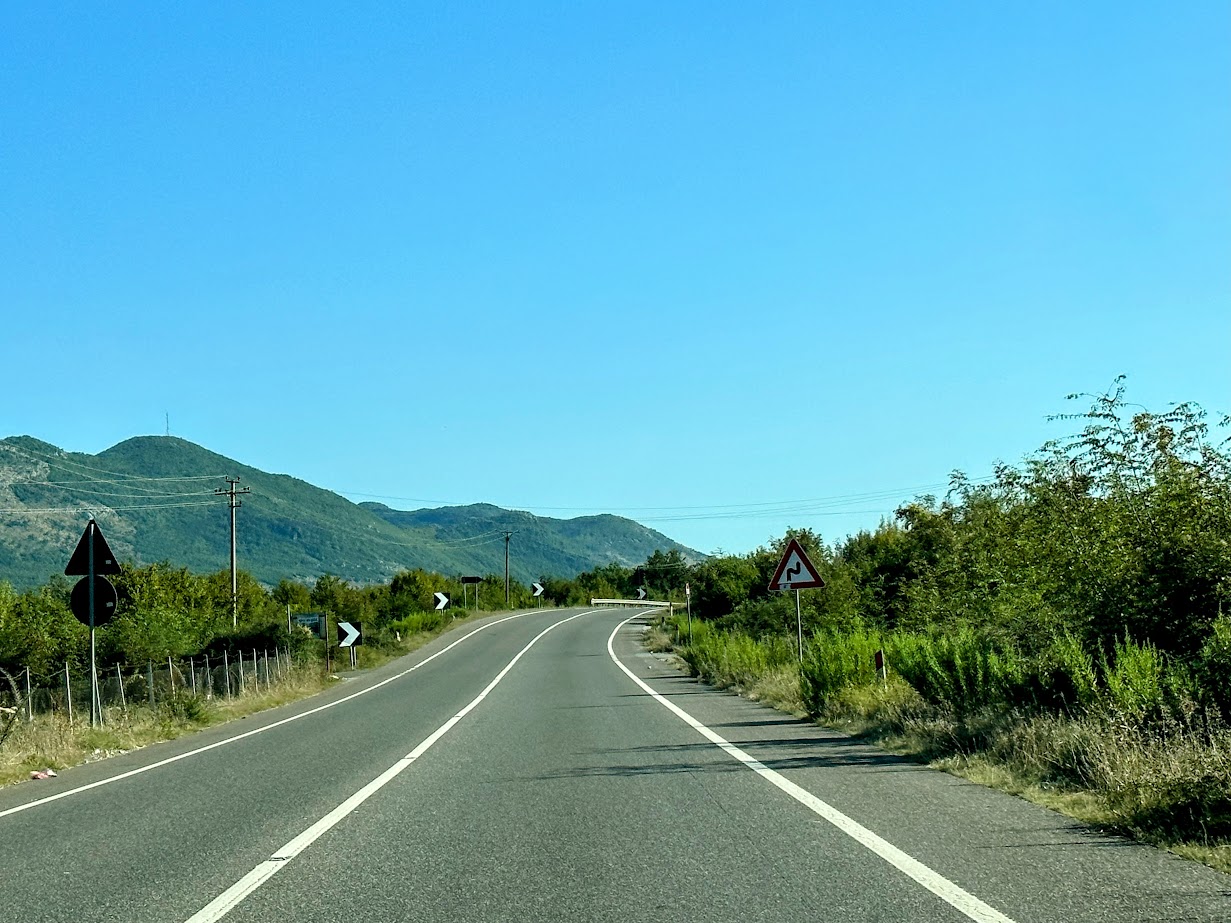

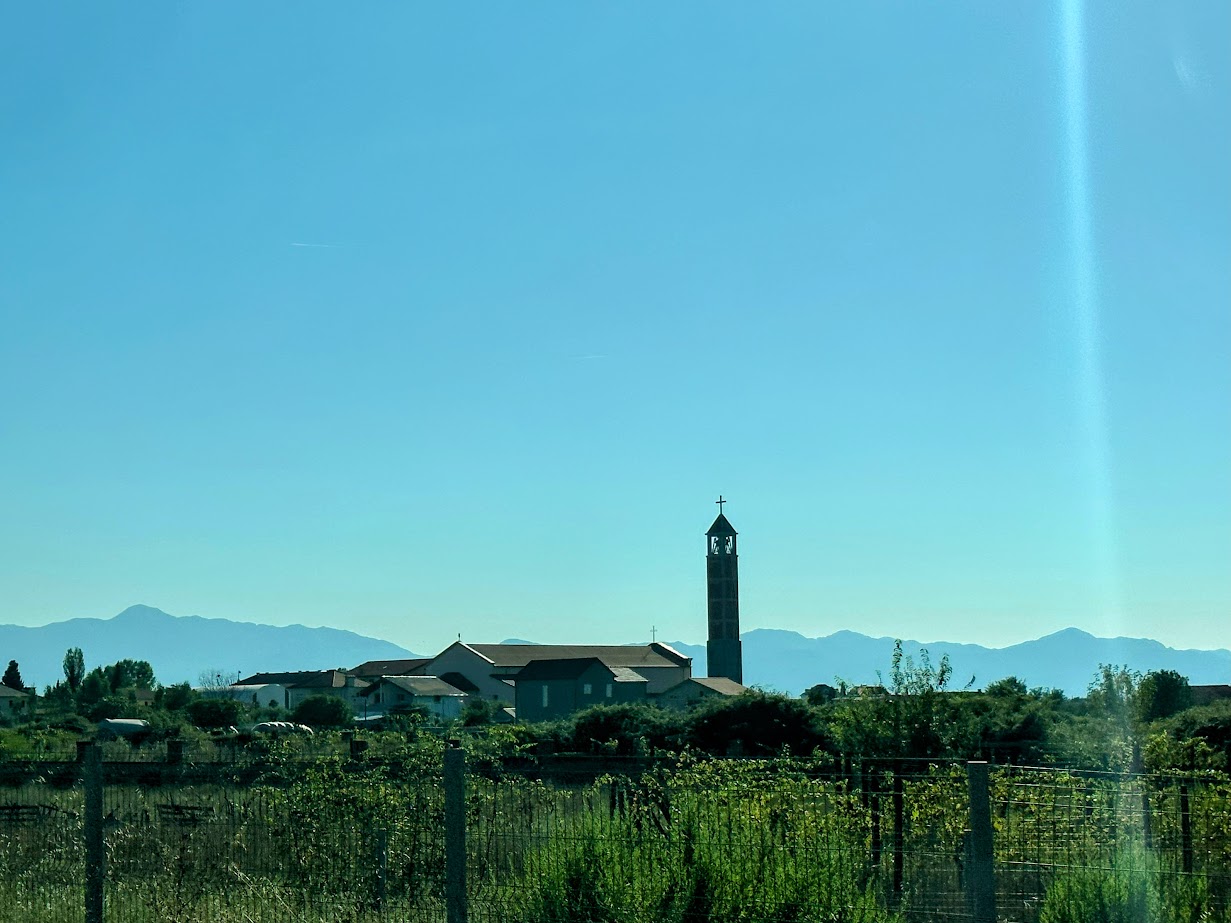

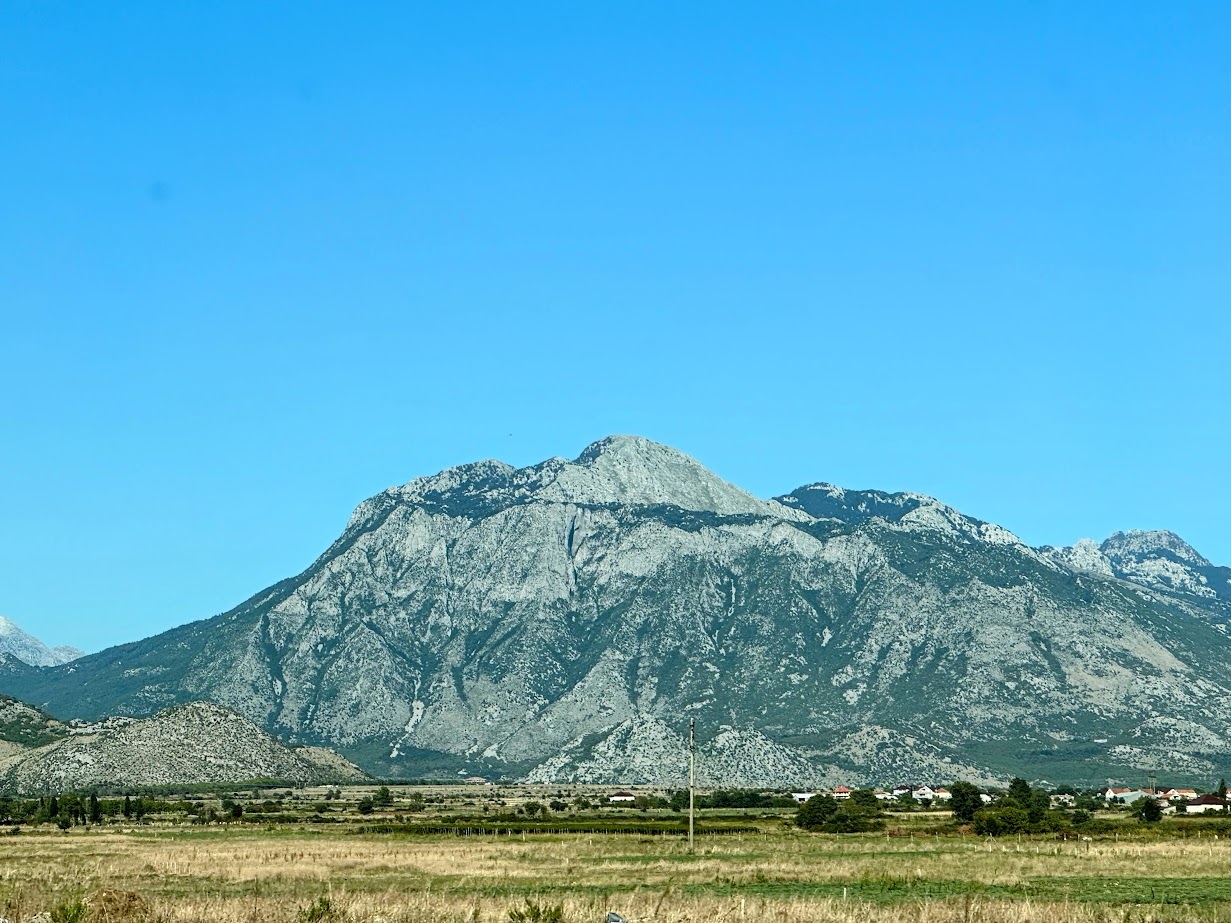
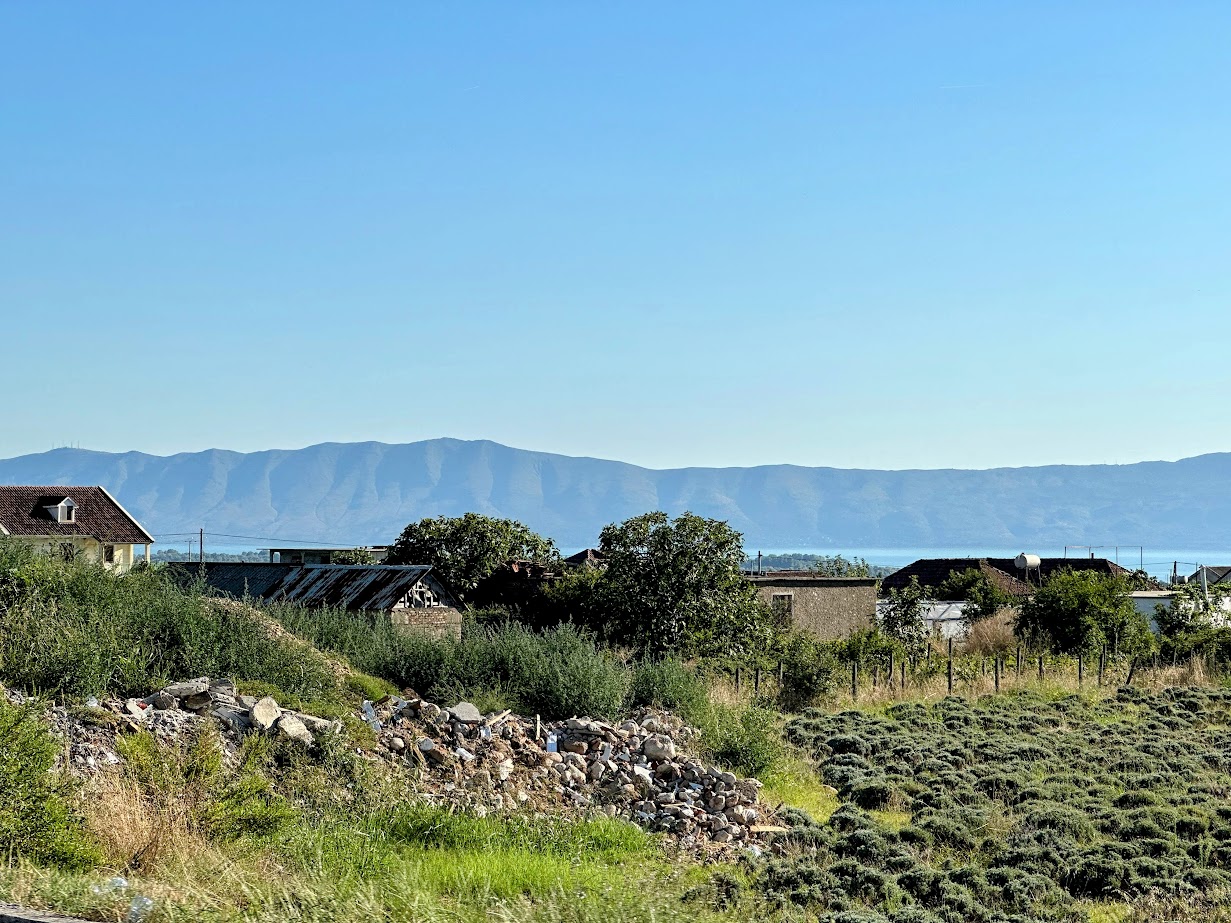
Shkodër is also a very old city, founded in the 4th century BC. The entire municipality has a population of around 135,000 (as of 2011). The busy streets in the city center kind of reminded me of Manila. There were many locals on stand-by, hanging out by the roadsides. Groups of elderly men also hang out together in restaurants/eateries. We saw several elderly men on bicycles, which was super cool.
We checked in at Nord Hotel Boutique at 5pm, and let the car rest on the public roadside. The receptionist assured us that the car would be safe, given that there were CCTV cameras all over the street. Yep, sounds more like Manila. The hotel elevator had a cute music! We rested for a few minutes, then, went out to see how the city center looked like.


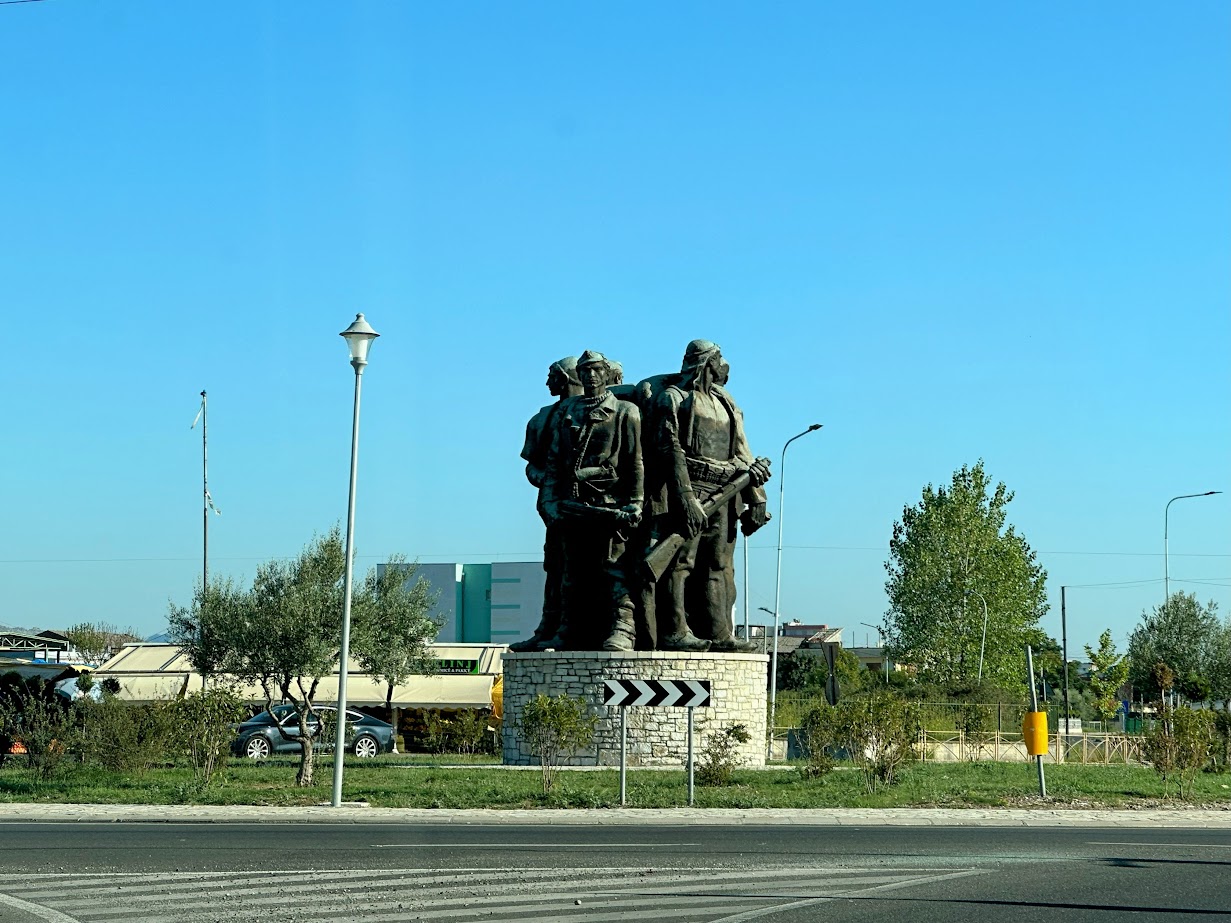


Surprisingly, Shkodër is known not only for its history, arts and culture. It is also admirable for its high religious tolerance! People were diverse, and it was very moving to see a mosque, a Catholic church, and an Orthodox church within walking distance from each other. We walked on its streets, saw roadside vendors selling all kinds of stuff (like birds in cages), visited the mosque and the Catholic church, bought some postcards, and enjoyed some gelato. We also saw a statue of Mother Theresa, and a stray cat. Yes, we missed our kitts so bad during the entire trip, although we saw cute pictures of them from the cathotel on a daily basis.
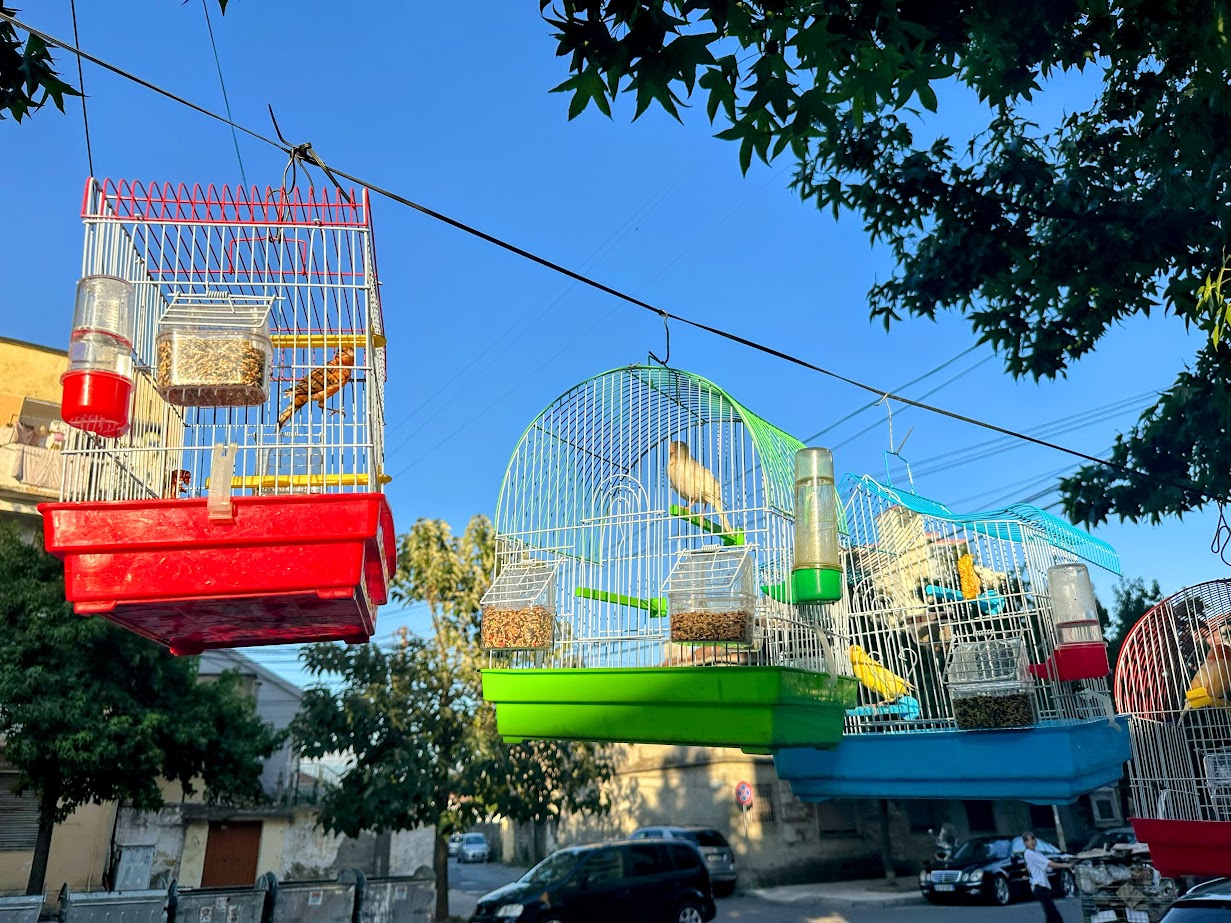


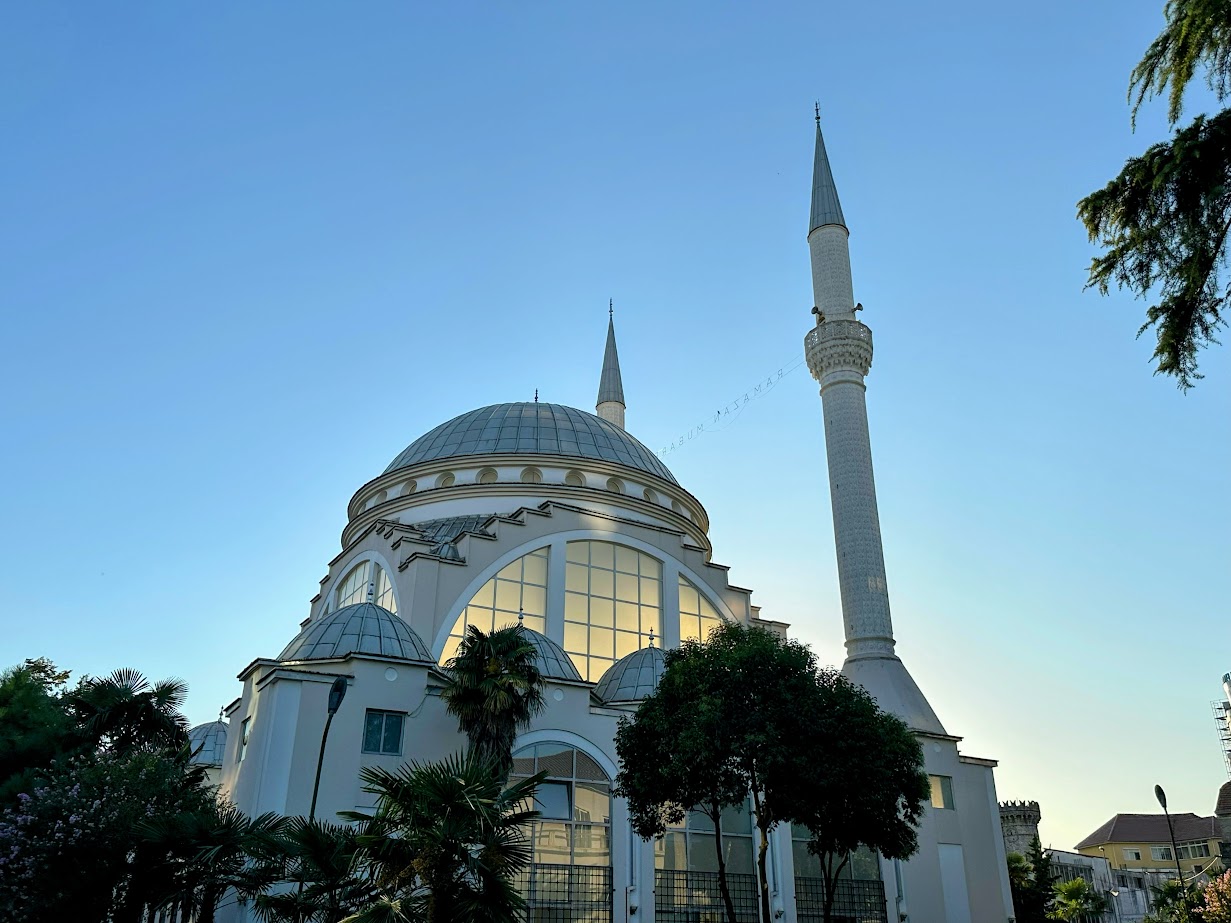

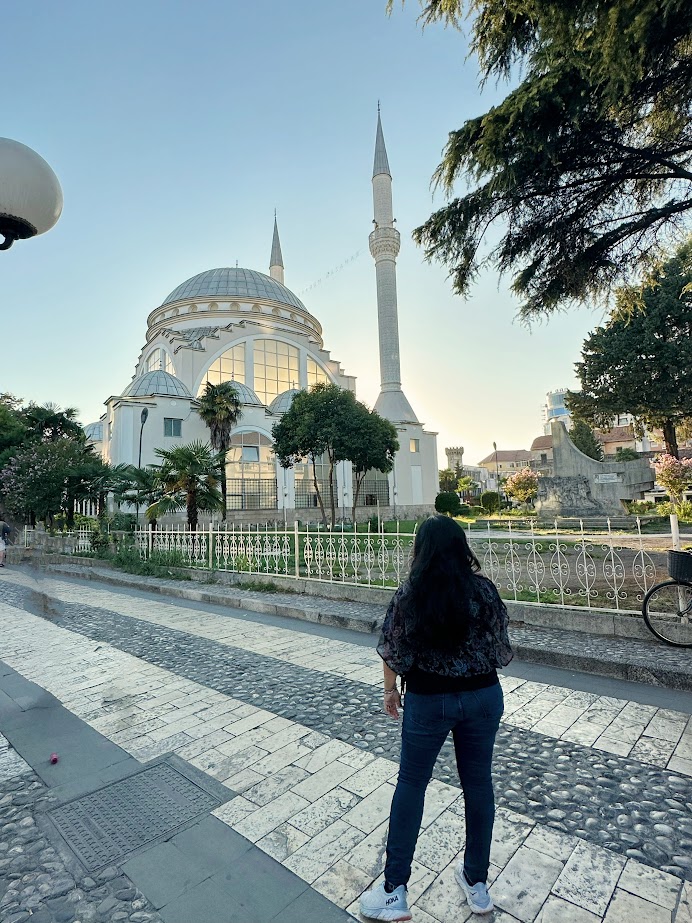


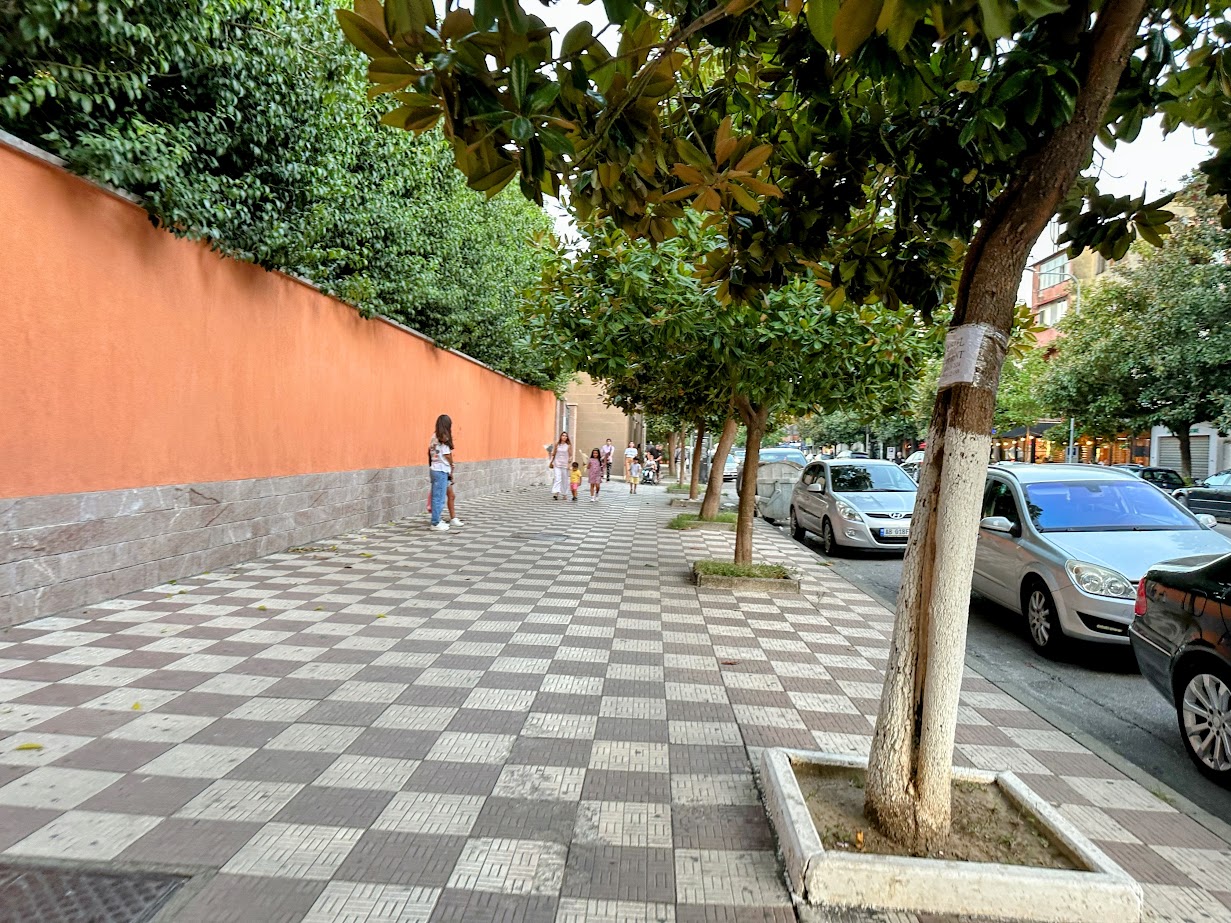
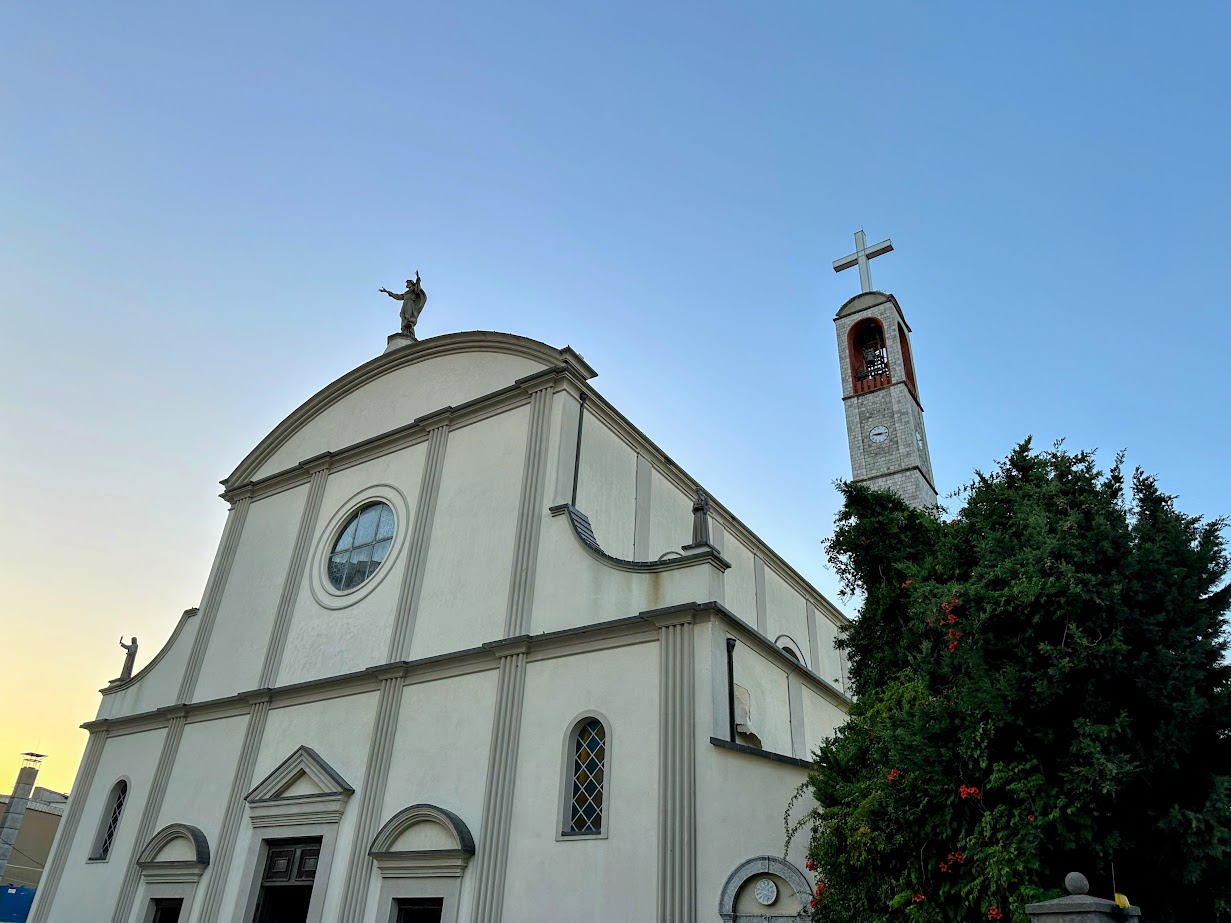
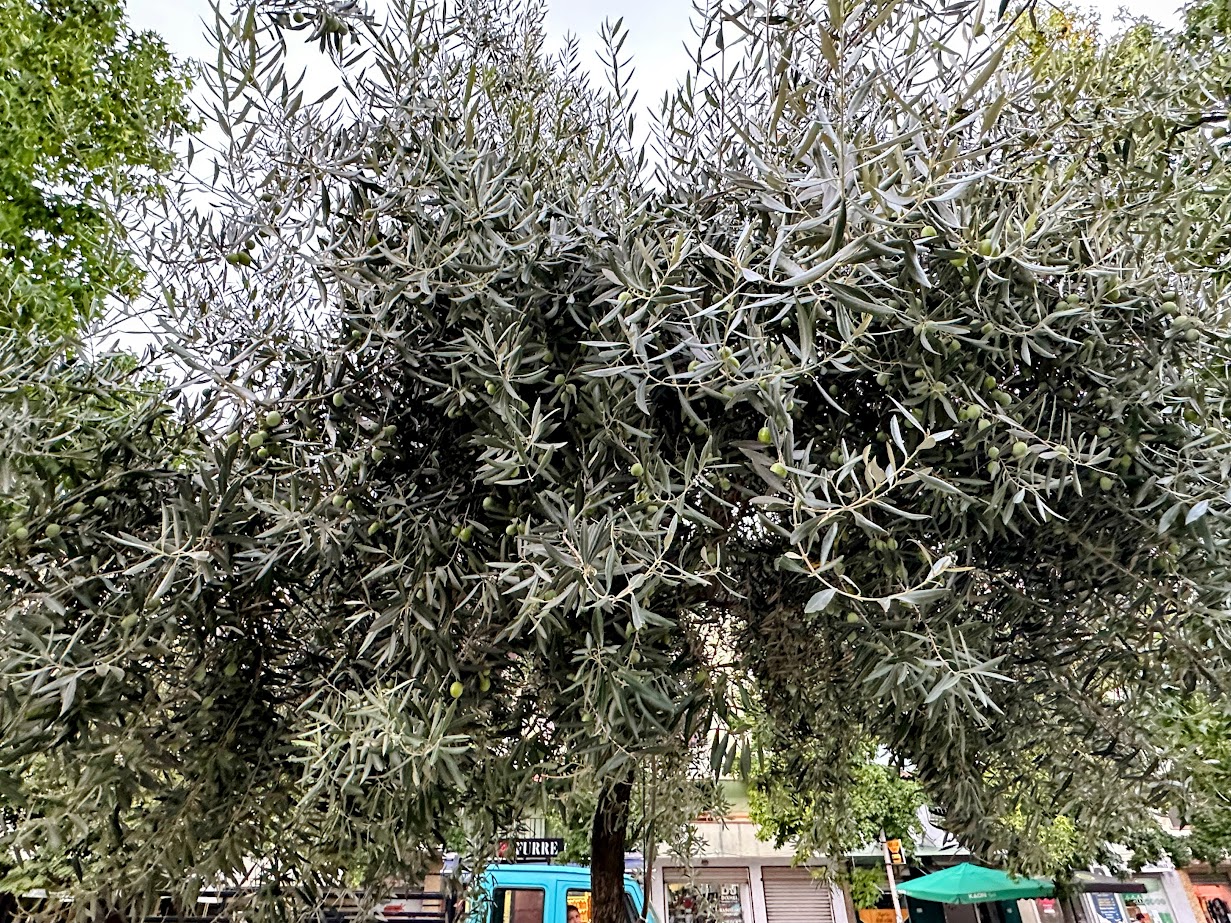
Carl and I went on many lovely afternoon and evening walks during this trip. 🙂 So, yes. 3 countries in a day. The whole day was satisfying, and we were excited to cross the border to Kosovo the next day. ALL PHOTOS AND VIDEOS ON THIS BLOG ARE MINE. Cheers! 🙂 #spreadloveandpositivevibes



 PinayOdyssey
Leave a comment