
One of the highlights of the 4-day escapade in Riga, the capital of the Baltic state of Latvia, was the visit to the KGB Headquarter, aka the Corner House, located in Brīvības iela 61, about a kilometer away from the Old Town. Riga was recognized as the European Capital of Culture in 2014, and with that came the decision of the Latvian government to carry out a project named “KGB Building: File No. 1914/2014”. It meant that Latvia was opening the KGB Headquarter’s door to the public, exhibiting the bitter and gruesome witnesses – documents and files, photos, the actual prison cells, halls and execution room – of the Soviet Union’s reign over the country.
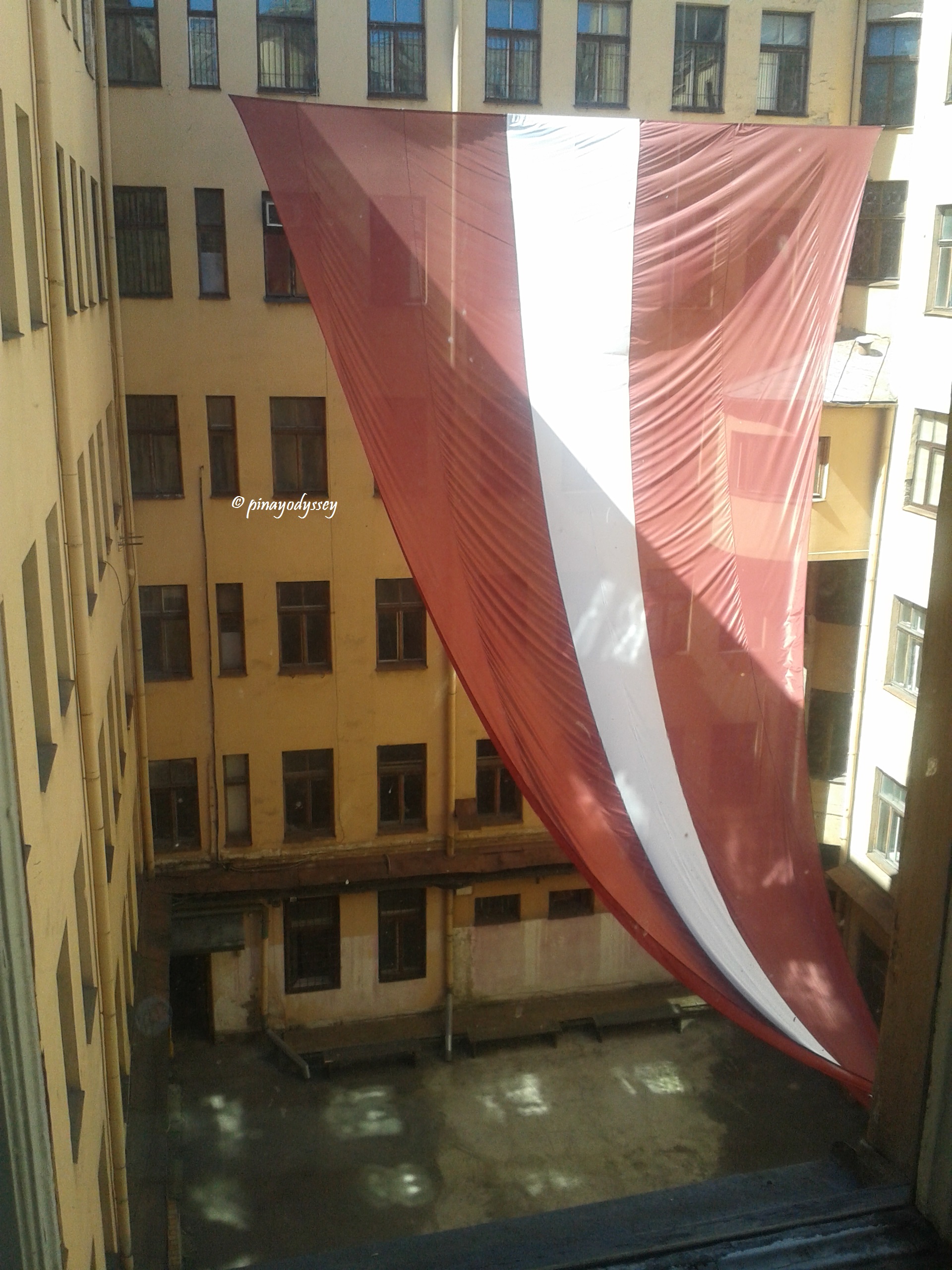
For a long time, the feared KGB headquarters on the street corner stood empty and silent. Nobody wanted to go in there to avoid being reminded of the terror the country had to suffer under the Soviet Union regime. But in 2014, the government took the initiative to convert the building to a museum-sort of venue to give people a chance to learn about the country’s past and to help the locals move on. According to Diana Civle, director of the Riga 2014 Foundation, “In many countries, buildings that served such functions remain inaccessible, but in 2014, Riga has dared to open this one’s door, to consider what has passed here and what will be, to discuss the relationships between people and authority, our inner freedoms and restraints as we go forward.”
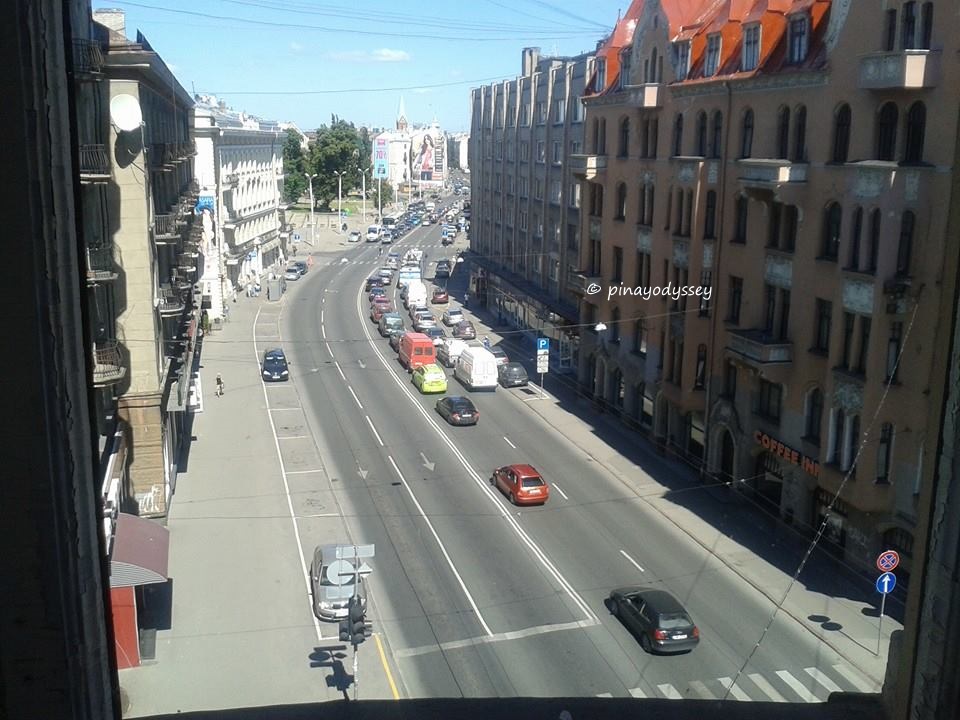
Just a quick historical background from the pamphlet that came with the tour of the house: The Corner House was home to “one of the most secretive organisations in the former Soviet Union, the Committee for State Security, known as the Cheka“. Built in 1910 and designed by Aleksandrs Vanags, it started as a “lavish six-storey apartment building“. In 1919, Vanags was shot dead by the Bolshevik Latvian SSR authorities for counter-revolutionary activities. His death seemed to have served as a foreshadowing of the gruesome, strict political regime that followed. The building, then, served as the main office of the Ministry of Interior. In 1940, Latvia was invaded by the Red Army, forcing the Ministry to vacate the building and causing the Commander of Latvia’s Border Guard, Gen. Ludvigs Bolsteins, to commit suicide. From 1940 until 1991, the building served as the headquarters of the Cheka, whose job was to arrest, interrogate, imprison, execute or deport people accused of collaborating with the German occupation regime and treason.
The year 1940-1941 was considered as Latvia’s Year of Terror, when between 22 000 to 23 000 Latvians were executed, arrested or deported for political reasons. But the terror continued until 1991, when Latvia gained full control over its sovereignty once again. The building remained standing, but most of the KGB’s documentation was sent to Russia, making it challenging for the Latvians to decipher what had happened during the repressive years in the hands of the Cheka. (More history here: https://okupacijasmuzejs.lv/en)


The arrests of the accused happened anytime, may it be day or night. Usually, it happened on broad daylight, according to the information booklet given to us. People just went missing, and when they did, the relatives could go to the Corner House to inquire if they had been held captive. This scenario reminded me of the Philippine Martial Law, which led to the historic People Power Revolution.

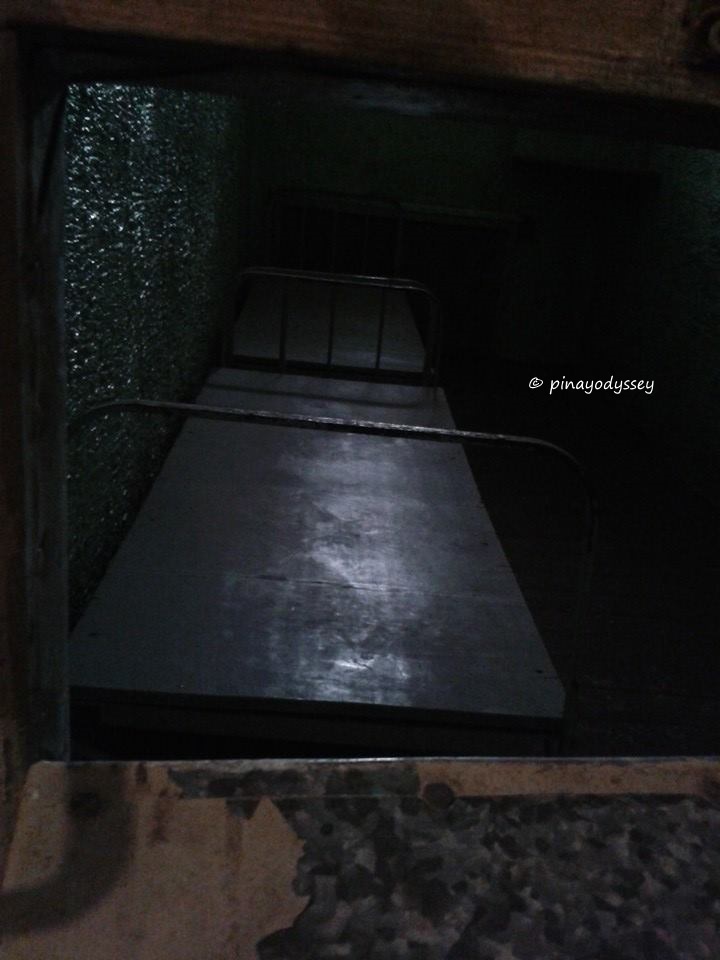


Prisoners were also not allowed to talk to each other. They were monitored through a peephole on the door and through secret peepholes on the walls.


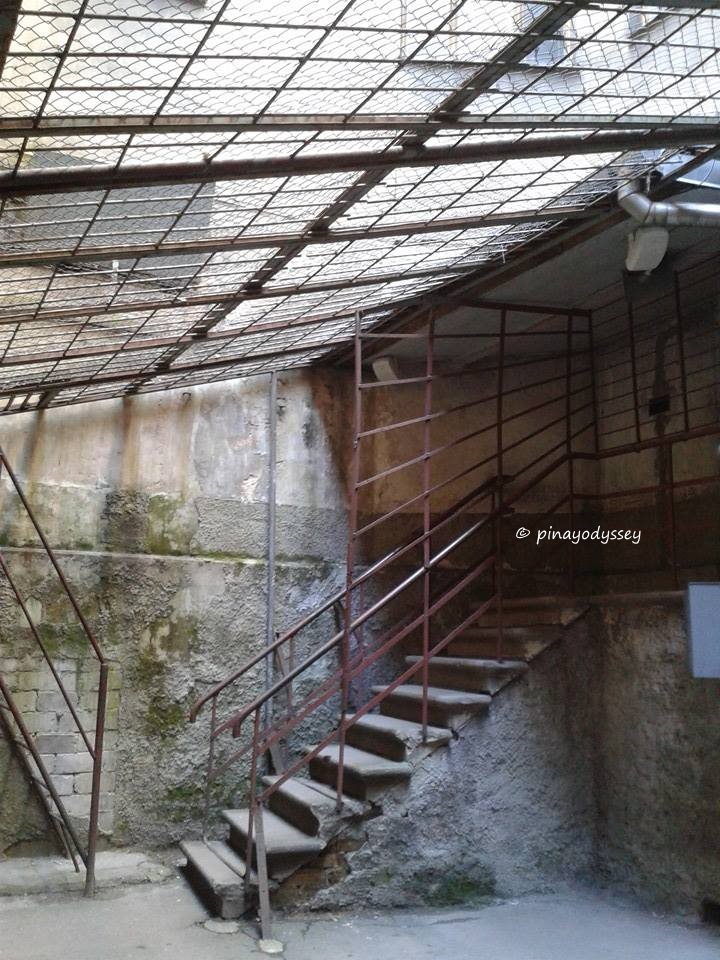
If the cells and halls and vacated office rooms were not terrifying enough, here’s a photo of the execution room. During an inspection in 1991, “traces of 94 shots and 240 expended cartridges” were found, although nobody knows how many actually were murdered in the building. Hallways were covered with thick, red carpet to drown the sound of footsteps and to hide drops of blood.

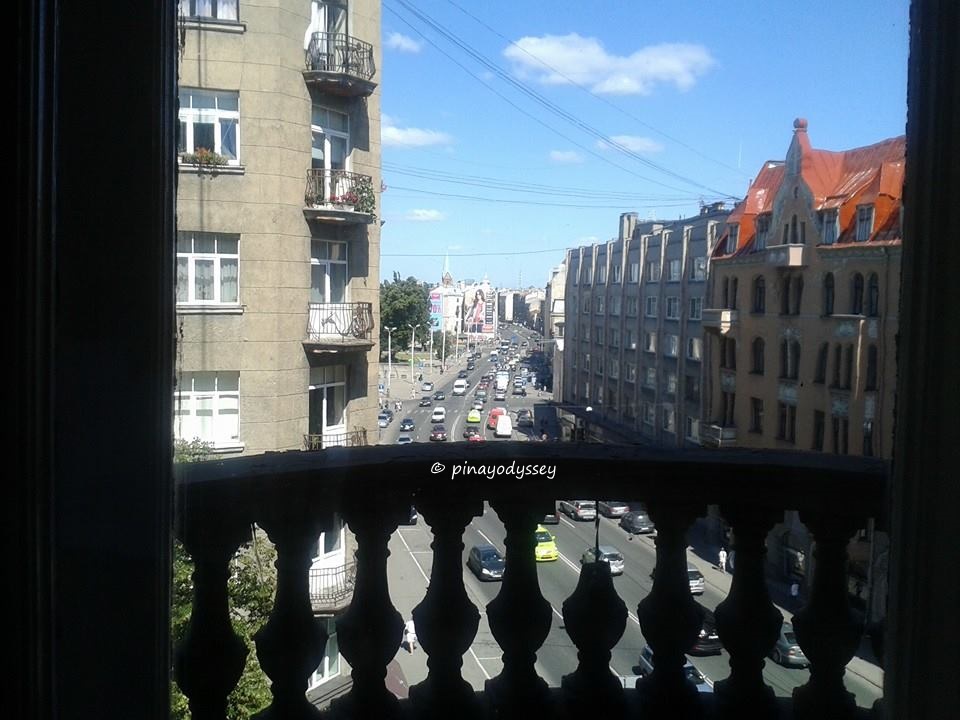
I managed to talk to a Russian who has been living in Riga for many years. He told me that even up to now, there’s tension between Latvians and Russians. For instance, good jobs are reserved for the native Latvians, while Russians who migrated to the country get the lesser compensated jobs. The wounds seemed still open, but with initiatives to learn and analyze history, I’m sure Latvia will manage to move forward!
Thanks to Couchsurfing, I learned about the opening of the KGB building. The annual event Riga Good Times is organized by Couchsurfers in Riga, offering meet up activities like museum visits and tours around the city. Two other activities arranged were the Puke Balle (Flower Ball) and the River Cruise. More about them in the entries to come!

After an info-overloaded tour, I’m sure one would enjoy authentic Rigan beverages. So refreshing! 🙂 Cheers!




 PinayOdyssey
Leave a reply to Who is Ferna? Cancel reply