
This is the ugliest month of the year so far. No excitement, no thrill, no new acquaintances. But I cannot blame anyone for that. I prefer to stay at home for now, so I’ll save enough money for my next escapades. 😉 I “celebrate” the days working, and the weekends blogging and watching ‘Forevermore’ and reading. This morning, I came across a nice article on Huffington Post. It’s about 47 things someone in her 40s learned about life.
Here’s one of my favorites: “People will make time for you if you’re important to them. And they pretty much won’t if you’re not.” So stop all the fuzz when someone takes you for granted. Stop wasting your energy for people who don’t really care for you. 🙂
Instead, use that energy blogging. Here’s Part 3 of my tour with friends and sisters around the historic Walled City of Intramuros. If you miss them, here’s Part 1: Intramuros, Manila 1, and Part 2: Intramuros, Manila 2.
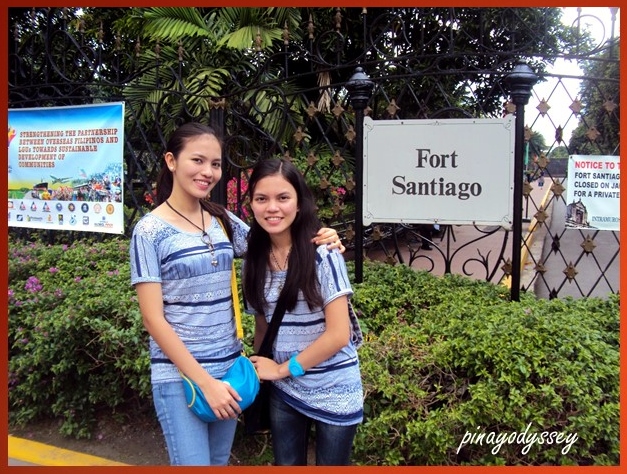
And since I have mentioned a lot of things already about Intramuros, I will just focus on one of its attraction, Fort Santiago. This defense fortress was named after Saint James the Great. James is Santiago in Spanish. The high walls are 22 feet in height, and 8 feet in width, while the main gateway is 40 feet in height. The fort is surrounded by a moat connected to Pasig River.
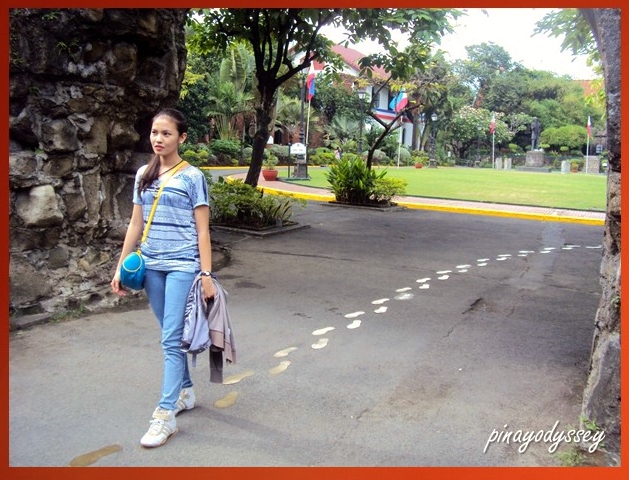
Before reaching the Fort, there’s Plaza Moriones with historic monuments and beautiful gardens.

Ready to explore Fort Santiago?

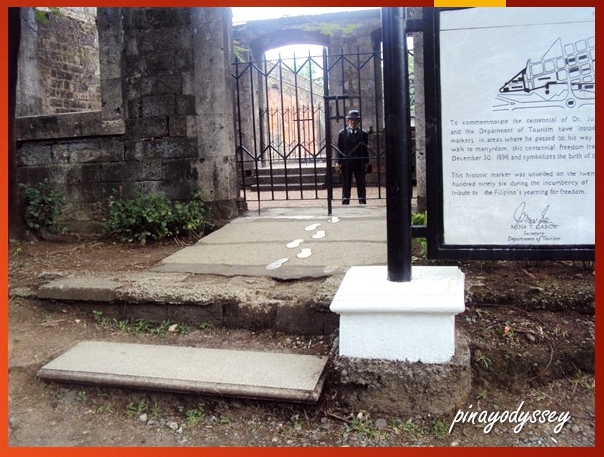
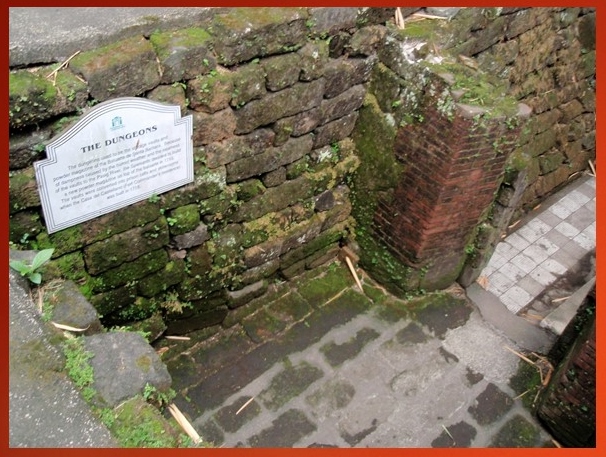
Behind the main gateway is an exhibition of Dr. Rizal’s last moments before his execution in 1896. Many victims of war were also imprisoned in the dark dungeons of the fort.
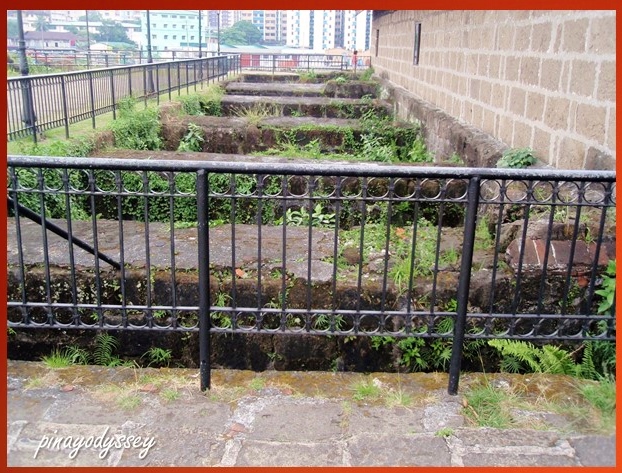

Due to the fort’s strategic location, it served as an important national landmark. Before it was built as the present Fort Santiago by the Spaniards in 1571, it was a palisaded fort of Rajah Sulayman of the Muslim Manila.


To give more of the Spanish era- feels, there are guards (guardia civil) stationed at Fort Santiago. It was just a little bit disappointing that unlike the royal guards in Europe who are always alert and disciplined, the guards scattered at the fort were lazing around during our visit. I remember one sleeping on a bench and one busy with his phone. They didn’t even greet visitors. It made me wonder if they don’t have a napping area? It just looks weird that they’re wearing the guardia civil suit but don’t act like one. hahaha But then again, it stirs the imagination. What if there were cellphones during the Spanish colonization period?
Spot the busy guardia civil:
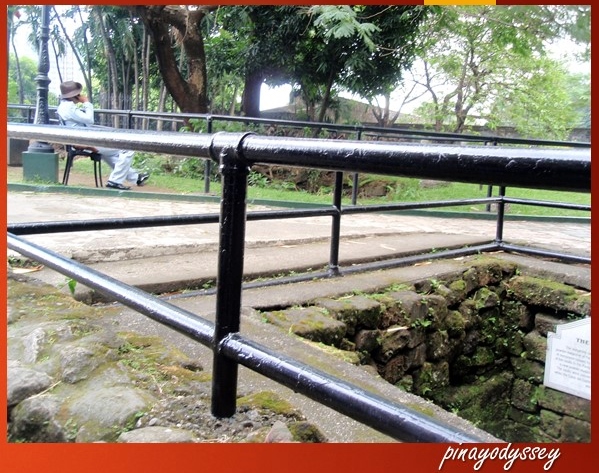
Entrance to Fort Santiago is not for free. The last time we were there, it was P75 for adults and P50 for students (2012). And a friendly reminder: Be careful of your belongings.
So there. I hope you’d find Intramuros an interesting place to visit! See you in my next entry! ♥


Leave a Reply